Vitamin B12: The Essential Nutrient for Energy, Brain Health, and Overall Well-Being
Introduction
Vitamin B12, also known as cobalamin, is one of the most essential vitamins required for maintaining optimal health. It plays a crucial role in energy production, brain function, red blood cell formation, and DNA synthesis. Despite its importance, Vitamin B12 deficiency is surprisingly common worldwide, affecting people of all ages, especially vegetarians, vegans, older adults, and individuals with digestive disorders.
Unlike many other vitamins, Vitamin B12 is unique because it is primarily found in animal-based foods and is stored in the liver for long periods. However, modern lifestyles, poor dietary habits, absorption issues, and certain medical conditions have increased the risk of deficiency.
This comprehensive article explores everything you need to know about Vitamin B12, including its functions, benefits, dietary sources, deficiency symptoms, causes, diagnosis, supplementation, side effects, and its role in various health conditions.
What Is Vitamin B12?
Vitamin B12 is a water-soluble vitamin that belongs to the B-complex family. It contains the mineral cobalt, which is why compounds with Vitamin B12 activity are collectively called cobalamins.
Forms of Vitamin B12
Vitamin B12 exists in several forms:
- Cyanocobalamin – the most commonly used synthetic form
- Methylcobalamin – an active form used in the body and brain
- Adenosylcobalamin – essential for cellular energy production
- Hydroxocobalamin – often used in injections
Among these, methylcobalamin and adenosylcobalamin are biologically active forms.
Functions of Vitamin B12 in the Body
Vitamin B12 is involved in multiple vital processes, making it indispensable for survival.
1. Red Blood Cell Formation
Vitamin B12 helps produce healthy red blood cells. Without sufficient B12, red blood cells become large and misshapen, leading to megaloblastic anemia, which reduces oxygen delivery to tissues.
2. DNA Synthesis
B12 is required for DNA synthesis in every cell. This makes it critical for growth, tissue repair, and cell division.
3. Nervous System Health
Vitamin B12 maintains the myelin sheath, the protective covering around nerves. Damage to myelin can result in nerve pain, numbness, tingling, and neurological disorders.
4. Energy Production
Vitamin B12 helps convert food into glucose, which the body uses for energy. Low levels often result in chronic fatigue and weakness.
5. Brain Function and Mental Health
Adequate B12 levels support memory, concentration, and cognitive performance. Deficiency has been linked to depression, confusion, and dementia.
6. Homocysteine Regulation
Vitamin B12 helps reduce homocysteine levels in the blood. High homocysteine is associated with heart disease and stroke.
Health Benefits of Vitamin B12
1. Prevents Anemia
Vitamin B12 deficiency is a major cause of anemia. Adequate intake supports healthy hemoglobin levels and prevents fatigue and weakness.
2. Supports Brain Health
B12 helps maintain cognitive function and may reduce the risk of neurodegenerative diseases like Alzheimer’s disease.
3. Improves Energy Levels
By aiding metabolism, Vitamin B12 reduces tiredness and boosts physical stamina.
4. Enhances Mood and Mental Well-Being
Vitamin B12 plays a role in serotonin production, a neurotransmitter responsible for mood regulation.
5. Promotes Healthy Pregnancy
Adequate B12 levels during pregnancy support fetal brain development and reduce the risk of birth defects.
6. Supports Heart Health
By controlling homocysteine levels, Vitamin B12 contributes to cardiovascular health.
7. Strengthens Hair, Skin, and Nails
Vitamin B12 supports cell regeneration, promoting healthy skin, strong nails, and hair growth.
Dietary Sources of Vitamin B12
Vitamin B12 is naturally found in animal-based foods.
Animal Sources
- Liver (beef, chicken)
- Red meat
- Fish (salmon, tuna, sardines)
- Shellfish (clams, crab)
- Eggs
- Milk, cheese, and yogurt
Fortified Foods
For vegetarians and vegans:
- Fortified breakfast cereals
- Fortified plant-based milk (soy, almond, oat)
- Nutritional yeast
Why Plant Foods Lack Vitamin B12
Plants do not naturally produce Vitamin B12. This is why strict vegetarians and vegans are at a higher risk of deficiency.
Recommended Daily Intake of Vitamin B12
| Age Group | Recommended Intake |
|---|---|
| Infants (0–6 months) | 0.4 mcg |
| Children (1–8 years) | 0.9–1.2 mcg |
| Teens (9–18 years) | 1.8–2.4 mcg |
| Adults | 2.4 mcg |
| Pregnant women | 2.6 mcg |
| Breastfeeding women | 2.8 mcg |
Causes of Vitamin B12 Deficiency
1. Poor Dietary Intake
Common among vegetarians, vegans, and people with limited access to animal products.
2. Absorption Problems
Vitamin B12 requires intrinsic factor, a protein produced in the stomach, for absorption. Conditions affecting this process include:
- Pernicious anemia
- Gastritis
- Celiac disease
- Crohn’s disease
3. Aging
Older adults produce less stomach acid, reducing B12 absorption.
4. Medications
Certain medications interfere with B12 absorption:
- Metformin
- Proton pump inhibitors
- Antacids
5. Alcohol Abuse
Excessive alcohol consumption damages the stomach lining and reduces absorption.
Symptoms of Vitamin B12 Deficiency
Physical Symptoms
- Fatigue and weakness
- Pale or jaundiced skin
- Shortness of breath
- Heart palpitations
- Weight loss
Neurological Symptoms
- Numbness and tingling in hands and feet
- Difficulty walking
- Balance problems
- Muscle weakness
Psychological Symptoms
- Depression
- Anxiety
- Memory loss
- Confusion
- Irritability
Severe Deficiency Complications
- Irreversible nerve damage
- Vision problems
- Dementia
- Infertility
Vitamin B12 Deficiency and Anemia
Vitamin B12 deficiency leads to megaloblastic anemia, characterized by large, immature red blood cells. Symptoms include extreme fatigue, dizziness, chest pain, and shortness of breath. If untreated, it can cause permanent neurological damage.
Diagnosis of Vitamin B12 Deficiency
Common Tests
- Serum Vitamin B12 test
- Complete blood count (CBC)
- Methylmalonic acid (MMA) test
- Homocysteine levels
Early diagnosis is crucial to prevent irreversible damage.
Vitamin B12 Supplements
Types of Supplements
- Tablets
- Capsules
- Sublingual tablets
- Injections
- Nasal sprays
Who Needs Supplements?
- Vegans and vegetarians
- Older adults
- People with absorption disorders
- Pregnant women with low B12 levels
Dosage
Supplement doses vary from 250 mcg to 2000 mcg, depending on deficiency severity.
Vitamin B12 Injections
Vitamin B12 injections are often prescribed for severe deficiency or absorption issues. They deliver B12 directly into the bloodstream and provide rapid improvement.
Side Effects and Safety of Vitamin B12
Vitamin B12 is generally safe, even at high doses. Excess B12 is excreted in urine.
Rare Side Effects
- Mild diarrhea
- Headache
- Skin rash
Vitamin B12 and Special Health Conditions
Vitamin B12 and Diabetes
Long-term use of metformin may reduce B12 levels.
Vitamin B12 and Heart Disease
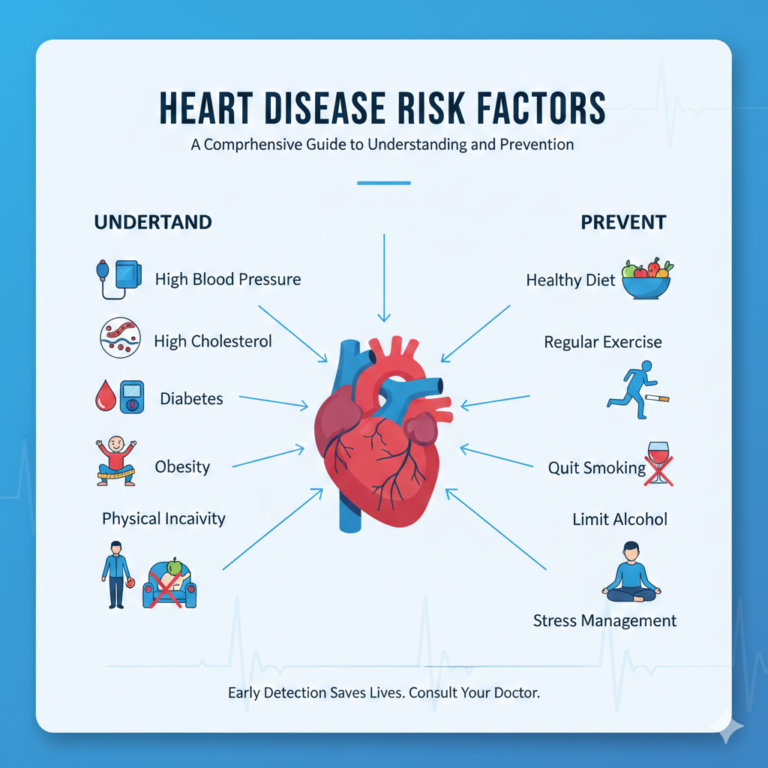
Low B12 increases homocysteine levels, raising cardiovascular risk.
Vitamin B12 and Brain Disorders
Deficiency is associated with cognitive decline and Alzheimer’s disease.
Vitamin B12 for Vegetarians and Vegans
Vegans must rely on fortified foods or supplements. Regular monitoring is highly recommended.
Myths and Misconceptions About Vitamin B12
- Myth: Only old people get B12 deficiency
Fact: It can affect all age groups. - Myth: Plant foods contain enough B12
Fact: Reliable plant sources do not exist.
Tips to Maintain Healthy Vitamin B12 Levels
- Eat a balanced diet with B12-rich foods
- Use fortified foods if vegetarian
- Take supplements when necessary
- Get regular blood tests
Conclusion
Vitamin B12 is a vital nutrient essential for energy production, neurological health, red blood cell formation, and DNA synthesis. Despite its importance, deficiency remains a global health concern. Awareness, proper diet, and supplementation when needed can help maintain optimal Vitamin B12 levels and prevent serious health complications.
Ensuring adequate Vitamin B12 intake is a simple yet powerful step toward better health, sharper cognition, and a more energetic life.
nternal Resources & Recommended Reading
To better understand the importance of overall health, nutrition, and lifestyle-related conditions, explore the following internal resources from our website. These articles provide in-depth, reliable, and easy-to-understand information that complements this Vitamin B12 guide.
📌 Importance of Vitamins and Minerals
Vitamins and minerals play a vital role in maintaining overall health, supporting immunity, energy production, and brain function. Understanding how essential nutrients work together can help prevent deficiencies like Vitamin B12 deficiency.
👉 Read more: https://healthguideme.com/importance-of-vitamins-and-minerals/
📌 Phone Addiction and Its Health Effects
Modern lifestyle habits such as excessive smartphone usage can negatively affect mental health, sleep quality, and energy levels. Learning about phone addiction and its health effects can help improve focus, productivity, and overall well-being.
👉 Read more: https://healthguideme.com/phone-addiction-health-effects-2/
📌 Health Guide Me – Trusted Health Information Hub
HealthGuideMe is your trusted source for evidence-based health articles covering nutrition, fitness, mental health, and lifestyle improvement. Explore expert-written content to support a healthier and more balanced life.
👉 Visit: https://healthguideme.com/
External Resources & Trusted References
For more scientifically accurate and globally recognized information about Vitamin B12, nutrition, and deficiency-related health issues, refer to the following trusted external resources. These websites are widely used by medical professionals and researchers worldwide.
🩺 National Institutes of Health (NIH) – Vitamin B12
The National Institutes of Health provides detailed, evidence-based information about Vitamin B12, including its functions, recommended intake, deficiency symptoms, and supplementation guidelines.
👉 Read more: https://ods.od.nih.gov/factsheets/VitaminB12-HealthProfessional/
🧠 Mayo Clinic – Vitamin B12 Deficiency
Mayo Clinic is a globally trusted medical resource offering clear explanations of Vitamin B12 deficiency causes, symptoms, diagnosis, and treatment options.
👉 Read more: https://www.mayoclinic.org/symptoms/b12-deficiency/basics/sym-20050621
🥗 World Health Organization (WHO) – Micronutrient Deficiencies
The World Health Organization highlights the importance of essential vitamins and minerals, including Vitamin B12, and their role in preventing global nutritional deficiencies.
👉 Read more: https://www.who.int/health-topics/micronutrients
🧬 Harvard T.H. Chan – Vitamin B12 and Nutrition
Harvard School of Public Health provides research-backed insights on Vitamin B12, food sources, absorption, and its role in long-term health.
👉 Read more: https://www.hsph.harvard.edu/nutritionsource/vitamin-b12/
💊 Cleveland Clinic – Vitamin B12 Benefits
Cleveland Clinic explains how Vitamin B12 supports energy production, brain health, and nerve function, along with supplementation advice.
👉 Read more: https://health.clevelandclinic.org/vitamin-b12-benefits/
Rank Math FAQ Schema
Q1. What is Vitamin B12 used for?
Vitamin B12 is used for red blood cell formation, energy production, brain function, and maintaining a healthy nervous system.
Q2. What are the main symptoms of Vitamin B12 deficiency?
Common symptoms include fatigue, weakness, numbness, memory problems, dizziness, and anemia.
Q3. Which foods are rich in Vitamin B12?
Vitamin B12 is found in meat, fish, eggs, dairy products, and fortified cereals.
Q4. Can vegetarians get enough Vitamin B12 naturally?
Vegetarians and vegans usually need fortified foods or supplements to meet their Vitamin B12 needs.
Q5. Is Vitamin B12 safe to take daily?
Yes, Vitamin B12 is water-soluble and generally safe even at higher doses when taken as recommended.