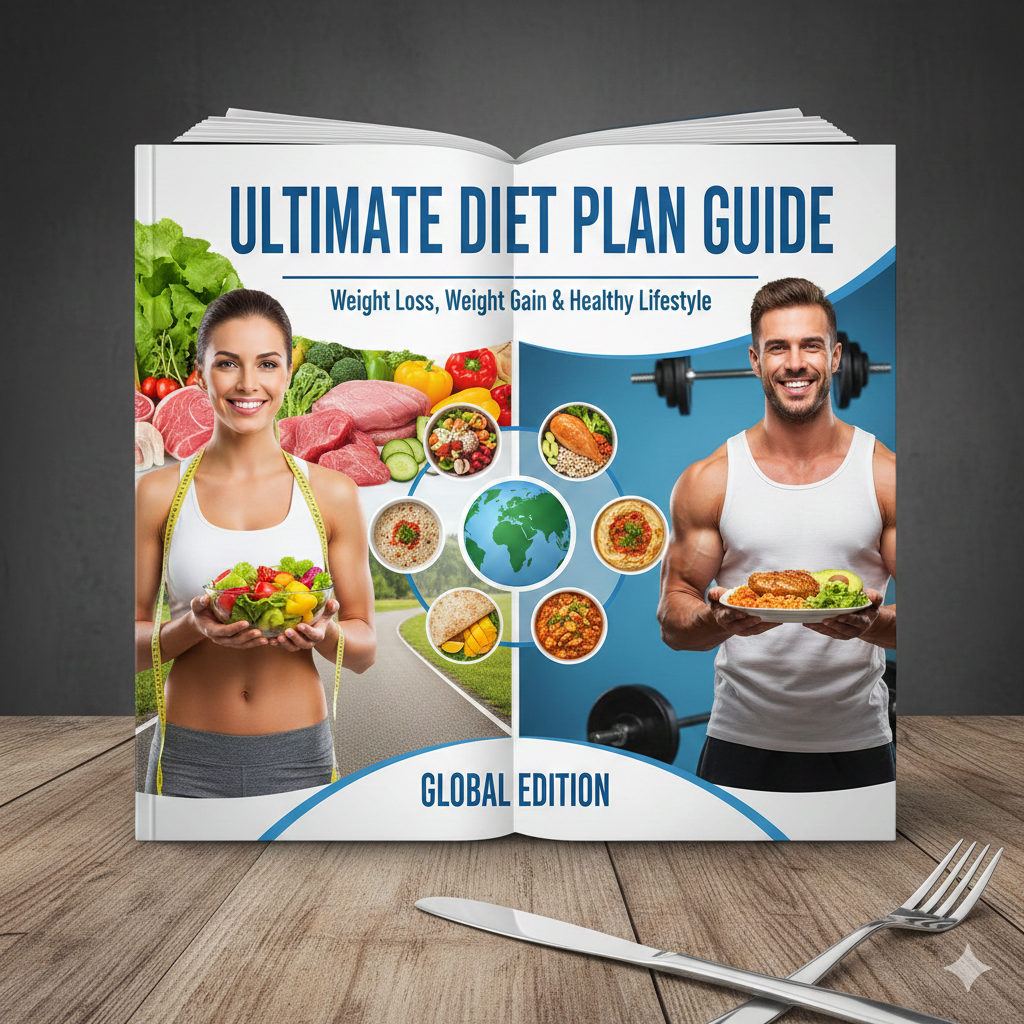
Ultimate Diet Plan Guide: Weight Loss, Weight Gain & Healthy Lifestyle (Global Edition)
Introduction
In today’s fast-paced world, maintaining a healthy body and mind has become more important than ever. Whether your goal is weight loss, weight gain, muscle building, diabetes control, cholesterol management, or simply living a healthy lifestyle, the right diet plan plays a critical role.
This complete SEO-optimized diet plan guide is designed for a global audience (US, UK, and worldwide) and focuses on science-backed nutrition principles, practical meal plans, and sustainable habits. This article can be used for blogs, health websites, fitness platforms, and .com domains targeting international traffic.
Why Diet Matters More Than Exercise
While exercise is important, diet contributes nearly 70–80% of body transformation results. A poor diet cannot be fixed by workouts alone.
Benefits of a Proper Diet Plan
- Sustainable weight control
- Balanced blood sugar levels
- Improved cholesterol profile
- Better energy and focus
- Enhanced gym and athletic performance
- Strong immune system
Section 1: Weight Loss Diet Plan
Understanding Weight Loss
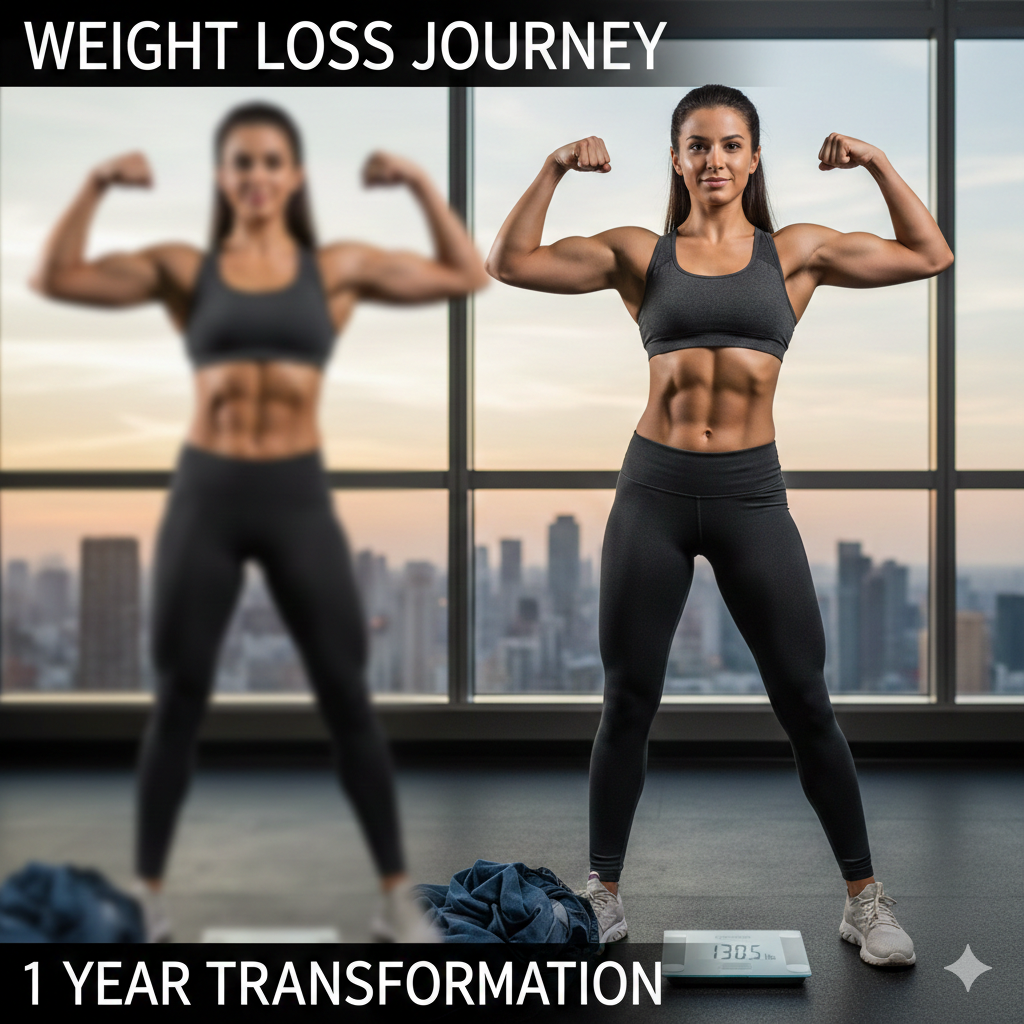
Weight loss occurs when your body burns more calories than it consumes. This is known as a calorie deficit, but quality of calories matters just as much as quantity.
Key Principles for Weight Loss
- Calorie deficit (300–500 kcal/day)
- High protein intake
- Low refined sugar
- Controlled carbohydrates
- Healthy fats
- Adequate hydration
Best Foods for Weight Loss
- Lean proteins (chicken breast, fish, eggs, tofu)
- Vegetables (broccoli, spinach, kale)
- Fruits (berries, apples)
- Whole grains (oats, brown rice, quinoa)
- Healthy fats (avocado, olive oil, nuts)
Foods to Avoid
- Sugary drinks
- Processed snacks
- White bread and pastries
- Deep-fried foods
Sample Weight Loss Meal Plan
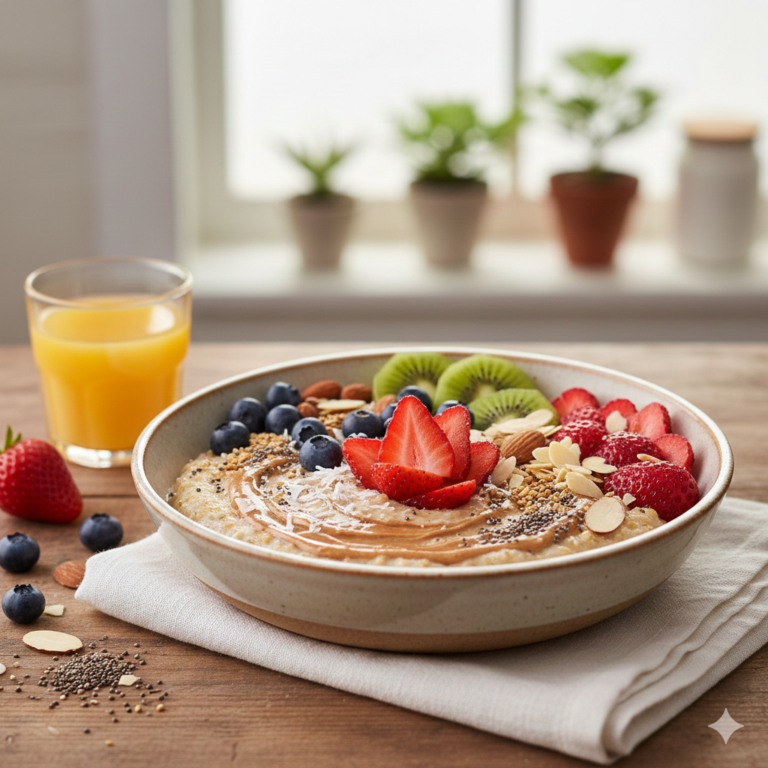
Breakfast: Oatmeal with berries + boiled eggs
Snack: Greek yogurt with almonds
Lunch: Grilled chicken salad with olive oil dressing
Snack: Apple or protein shake
Dinner: Baked salmon + steamed vegetables
Section 2: Weight Gain Diet Plan
Understanding Healthy Weight Gain
Weight gain should focus on lean mass, not fat accumulation. This requires a calorie surplus combined with strength training.
Key Principles for Weight Gain
- Calorie surplus (300–600 kcal/day)
- High protein intake
- Complex carbohydrates
- Frequent meals
Best Foods for Weight Gain
- Whole grains
- Red meat (lean cuts)
- Eggs
- Full-fat dairy
- Nuts and nut butters
- Starchy vegetables
Sample Weight Gain Meal Plan
Breakfast: Whole eggs + whole-grain toast + peanut butter
Snack: Smoothie (milk, banana, oats, protein powder)
Lunch: Rice + beef/chicken + vegetables
Snack: Nuts and yogurt
Dinner: Pasta with olive oil and protein source
Section 3: Healthy Lifestyle Diet (General)
What Is a Healthy Diet?
A healthy diet provides all essential nutrients while maintaining balance and moderation.
Core Components
- Proteins: Muscle repair and immunity
- Carbohydrates: Energy source
- Fats: Hormonal balance
- Vitamins & minerals: Overall health
- Fiber: Digestion and gut health
Daily Healthy Eating Habits
- Eat whole foods
- Control portion sizes
- Drink 2–3 liters of water
- Avoid excessive sugar
- Eat mindfully
Section 4: Diet for Diabetes & Cholesterol Control
Diet for Diabetes Management
A diabetes-friendly diet focuses on blood sugar stability.
Best Foods
- Low-GI carbohydrates
- High-fiber foods
- Lean proteins
- Healthy fats
Foods to Limit
- Sugary foods
- White rice and bread
- Sweetened beverages
Diet for Cholesterol Control
Cholesterol-Lowering Foods
- Oats
- Fatty fish
- Nuts
- Olive oil
- Legumes
Section 5: Diet for Fitness & Gym People
Nutrition for Muscle Growth
Gym performance depends heavily on nutrition timing and quality.
Macronutrient Ratio
- Protein: 30–35%
- Carbohydrates: 40–50%
- Fats: 20–25%
Pre-Workout Meal
- Complex carbs + protein
Post-Workout Meal
- Fast-digesting protein
- Moderate carbs
Section 6: Global Superfoods for Any Diet Goal
- Oats
- Eggs
- Salmon
- Sweet potatoes
- Spinach
- Blueberries
- Greek yogurt
Section 7: Common Diet Mistakes
- Extreme calorie restriction
- Skipping meals
- Over-reliance on supplements
- Ignoring sleep and stress
Section 8: Sustainable Diet Tips
- Follow the 80/20 rule
- Track progress weekly
- Be consistent, not perfect
- Adjust based on results
Section 9: Frequently Asked Questions (SEO Optimized)
What is the best diet plan for weight loss?
A balanced calorie-deficit diet rich in protein and fiber.
Can one diet work for everyone?
No, diet plans should be personalized.
How long does it take to see results?
Typically 3–6 weeks with consistency.
Conclusion
A well-structured diet plan is the foundation of weight management, fitness, and long-term health. Whether your goal is weight loss, weight gain, muscle building, or disease prevention, consistency and smart nutrition choices matter most.
This guide is optimized for global SEO, making it ideal for .com health, fitness, and wellness websites targeting audiences in the US, UK, and worldwide.
Keywords Targeted:
Diet plan, weight loss diet, weight gain diet, healthy lifestyle diet, diabetic diet plan, cholesterol control diet, fitness diet, gym diet plan, global diet plan
Extended Expert-Level Expansion (Deep Dive Sections)
Advanced Weight Loss Strategies (Detailed)
Metabolic Health and Fat Loss
Weight loss is not only about calories. Metabolic health, insulin sensitivity, gut health, sleep quality, and stress management all influence fat loss. Chronically high stress increases cortisol levels, which can slow fat loss and increase abdominal fat storage.
Protein Intake and Thermic Effect of Food
Protein has the highest thermic effect of food (TEF), meaning the body burns more calories digesting protein compared to fats or carbohydrates. Increasing protein intake can naturally increase daily energy expenditure while preserving lean muscle mass during a calorie deficit.
Fiber and Appetite Control
Dietary fiber slows digestion, stabilizes blood sugar, and increases fullness. High-fiber diets are associated with lower body weight and improved metabolic markers. Sources include vegetables, legumes, oats, berries, and seeds.
Meal Timing and Weight Loss
While total calories matter most, structured meal timing helps adherence. Many individuals benefit from:
- 3 main meals + 1–2 snacks
- Avoiding late-night overeating
- Consistent meal timing for hormonal balance
Advanced Weight Gain & Muscle Building Nutrition
Lean Mass vs Fat Gain
Healthy weight gain prioritizes muscle growth. Rapid weight gain from junk food leads to fat accumulation and metabolic stress. A slow, controlled surplus supports sustainable muscle development.
Protein Distribution for Muscle Growth
Instead of consuming most protein in one meal, evenly distribute protein across the day (25–40g per meal). This maximizes muscle protein synthesis.
Carbohydrates and Training Performance
Carbohydrates replenish muscle glycogen, fuel workouts, and support recovery. Athletes and gym users benefit from higher carbohydrate intake around training sessions.
Healthy Lifestyle Nutrition (Expanded)
The Role of Micronutrients
Micronutrient deficiencies can impair immunity, energy levels, and hormone production even if calories are sufficient. Key micronutrients include:
- Magnesium: muscle and nerve function
- Iron: oxygen transport
- Vitamin D: immunity and bone health
- Zinc: metabolism and immunity
Hydration and Health
Even mild dehydration can reduce cognitive performance and physical endurance. Aim for clear to pale-yellow urine as a hydration indicator.
Gut Health and Digestion
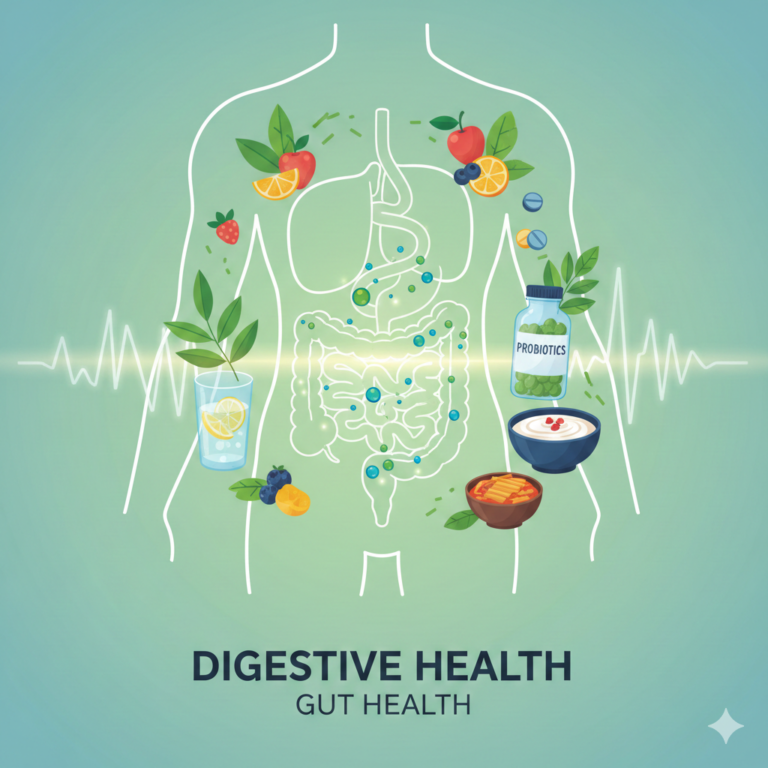
A healthy gut microbiome improves digestion, immunity, and weight regulation. Include probiotic and prebiotic foods such as yogurt, fermented vegetables, oats, bananas, and legumes.
Diabetes Nutrition (Clinical Perspective)
Glycemic Index and Glycemic Load
Low-GI foods cause slower blood sugar rises. However, glycemic load considers portion size, making it more practical for real-life eating.
Carbohydrate Quality Matters
Whole grains, legumes, vegetables, and fruits are preferred over refined carbohydrates. Fiber improves insulin sensitivity and glucose control.
Consistency Over Restriction
Extreme restriction often backfires. Sustainable, consistent eating patterns lead to better long-term blood sugar control.
Cholesterol & Heart Health (Expanded)
Types of Cholesterol
- LDL (“bad” cholesterol)
- HDL (“good” cholesterol)
- Triglycerides
Dietary changes can significantly improve lipid profiles.
Soluble Fiber and Cholesterol Reduction
Soluble fiber binds cholesterol in the digestive tract, reducing absorption. Foods include oats, beans, lentils, and fruits.
Fat Quality Over Fat Quantity
Replacing trans fats and excess saturated fats with unsaturated fats improves heart health.
Fitness & Gym Nutrition (Professional Guide)
Energy Balance for Athletes
Athletes must balance energy intake with training demands. Under-fueling increases injury risk and reduces performance.
Supplements: Evidence-Based View
Supplements are not mandatory. However, evidence-supported options include:
- Protein powder (convenience)
- Creatine monohydrate (strength)
- Omega-3 fatty acids
Always prioritize whole foods first.
Lifestyle Factors That Affect Diet Success
Sleep and Weight Regulation
Poor sleep disrupts hunger hormones (ghrelin and leptin), increasing appetite and cravings.
Stress Management
Chronic stress negatively impacts digestion, metabolism, and food choices. Mindfulness, physical activity, and adequate rest support dietary success.
Internal Linking Strategy (Implementation Guide)
Suggested internal articles:
- Complete Guide to Calorie Deficit
- Protein Intake Calculator
- Best Foods for Diabetes Control
- Beginner Gym Nutrition Plan
- Cholesterol Lowering Foods List
Anchor text should be natural and context-based to improve SEO.
Medical & Legal Disclaimer (AdSense Safe)
This article is for educational purposes only and does not provide medical advice. Individual nutritional needs vary. Consult qualified healthcare or nutrition professionals before making significant dietary changes, especially if you have medical conditions.
Final Conclusion (Authority Wrap-Up)
Nutrition is the foundation of weight management, fitness performance, and long-term health. There is no single perfect diet, but there are proven principles that work across cultures and lifestyles.
By focusing on whole foods, balanced macronutrients, consistency, and sustainable habits, individuals can achieve weight loss, healthy weight gain, improved metabolic health, better gym performance, and long-term disease prevention.
This expanded guide is designed to serve as a pillar content asset for global .com websites, supporting SEO growth, AdSense monetization, and long-term authority building.
🔗 External Resource (Authority Outbound Link)
For readers who want reliable, science-based health and nutrition information, Health Guide Me is a trusted platform that provides practical guidance on healthy eating, fitness, and lifestyle improvement. You can explore more expert-backed wellness resources here:
https://healthguideme.com/
🔗 Internal Link – Gym Beginners Guide
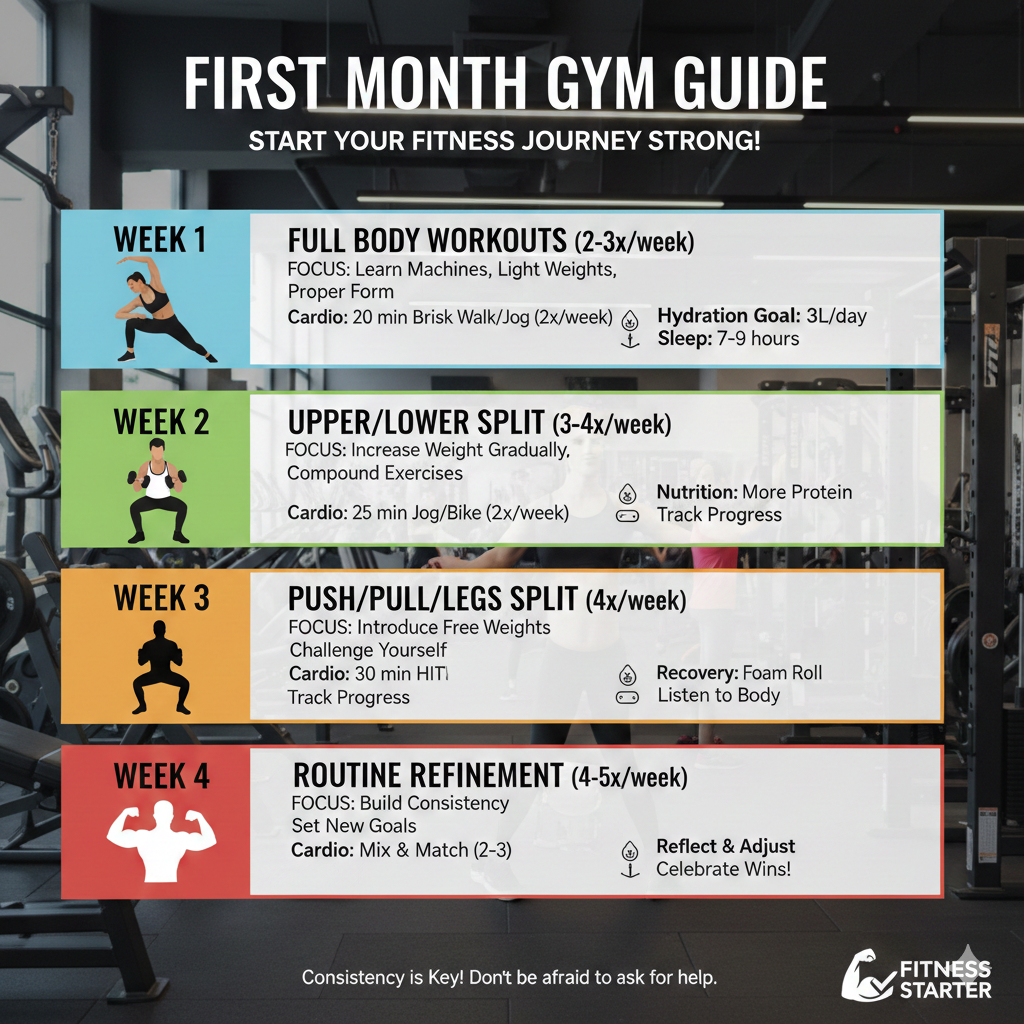
If you are starting your fitness journey, combining the right diet with a structured workout plan is essential. This first month gym guide explains how beginners can align nutrition and training for better results:
https://healthguideme.com/first-month-gym-guide/
🔗 Internal Link – Step-by-Step Gym Journey
Building a sustainable healthy lifestyle requires consistency and proper planning. This step-by-step guide to starting your gym journey provides a complete roadmap for long-term fitness success:
https://healthguideme.com/step-by-step-guide-to-starting-your-gym-journey-2/
🔗 External Backlinks (High Authority)
1. World Health Organization (WHO)
🔗 https://www.who.int
Use for: Healthy diet, nutrition standards
Anchor text: World Health Organization nutrition guidelines
2. Healthline
🔗 https://www.healthline.com
Use for: Diet plans, weight loss & gain info
Anchor text: Healthline diet and nutrition guide
3. Academy of Nutrition and Dietetics
🔗 https://www.nutrition.org
Use for: Professional nutrition advice
Anchor text: Academy of Nutrition and Dietetics healthy eating advice