
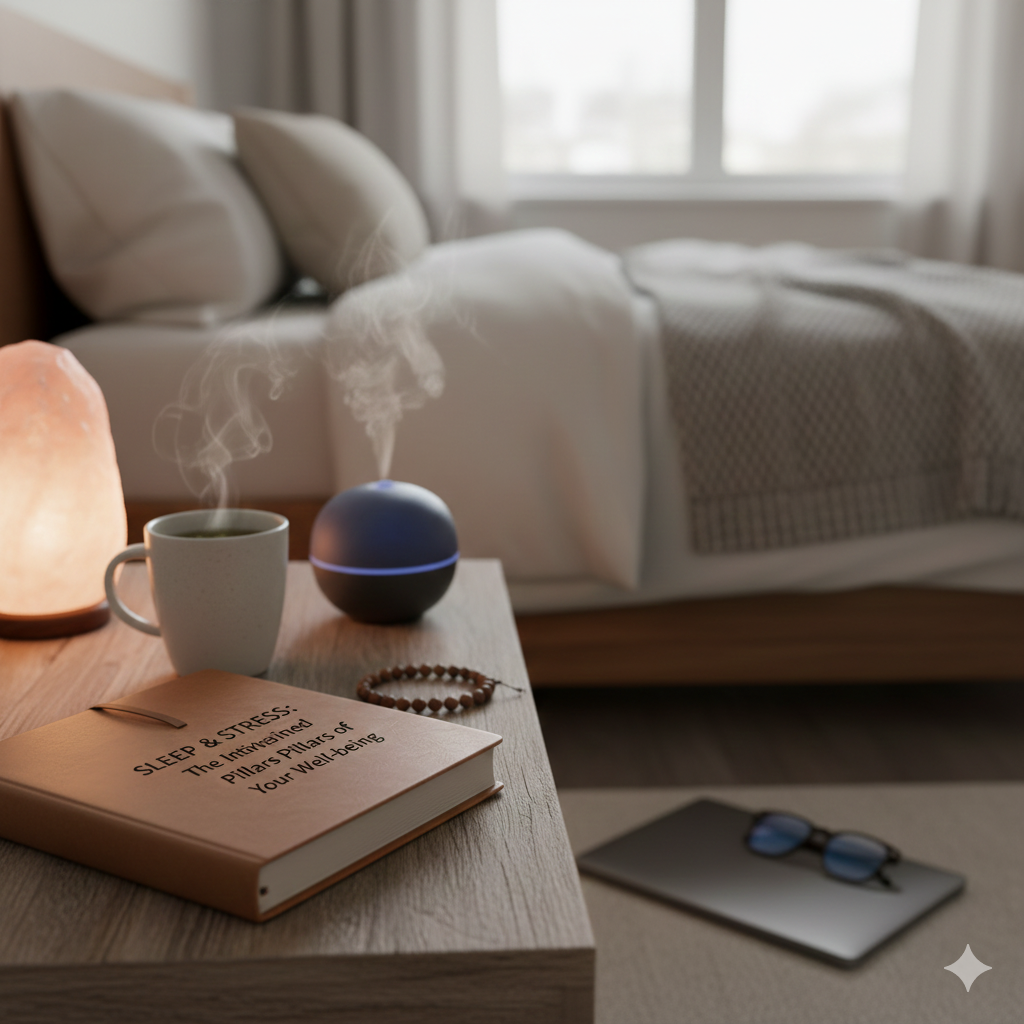
Sleep & Stress

1. Sleep & Stress: The Intertwined Pillars of Your Well-being
In our fast-paced world, getting enough quality sleep often feels like a luxury, and stress has become an unwelcome constant. Yet, the connection between sleep and stress is profound, forming a critical cycle that dictates much of our overall health and happiness. Understanding and managing this relationship is key to unlocking a more balanced life.
The Vicious Cycle: Stress and Sleep Deprivation
- Stress Impairs Sleep: When you’re stressed, your body activates its “fight or flight” response, releasing hormones like cortisol. This keeps your mind active, making it difficult to fall asleep or stay asleep. You might find yourself tossing and turning, replaying worries from the day.
- Lack of Sleep Increases Stress: Conversely, insufficient sleep can elevate stress levels. Sleep deprivation impairs your ability to cope with daily stressors, makes you more irritable, and can worsen anxiety. It’s a challenging cycle to break, but not impossible.
The Impact on Your Health
Chronic sleep deprivation and high stress levels aren’t just about feeling tired or anxious. They can have serious health consequences:
- Physical Health: Weakened immune system, increased risk of heart disease, high blood pressure, weight gain, and impaired cognitive function.
- Mental Health: Worsened anxiety and depression, decreased focus and memory, and increased irritability.
Strategies for Breaking the Cycle
1. Prioritize Sleep Hygiene
- Consistent Sleep Schedule: Go to bed and wake up at the same time every day, even on weekends.
- Create a Relaxing Bedtime Routine: Take a warm bath, read a book, listen to calming music, or meditate.
- Optimize Your Sleep Environment: Ensure your bedroom is dark, quiet, and cool.
- Limit Screen Time: Avoid electronic devices (phones, tablets, computers, TVs) at least an hour before bed. The blue light can suppress melatonin production.
2. Effective Stress Management Techniques
- Regular Exercise: Physical activity is a powerful stress reliever, but avoid intense workouts close to bedtime.
- Mindfulness and Meditation: These practices can help quiet a racing mind and foster a sense of calm.
- Deep Breathing Exercises: Simple breathing techniques can quickly activate your body’s relaxation response.
- Time Management: Prioritize tasks and learn to say no to avoid feeling overwhelmed.
- Connect with Others: Social interaction can provide emotional support and reduce feelings of isolation.
- Hobbies and Relaxation: Dedicate time to activities you enjoy that help you unwind.
3. Healthy Lifestyle Choices
- Balanced Diet: Avoid heavy meals, caffeine, and alcohol close to bedtime.
- Limit Stimulants: Be mindful of your caffeine intake, especially in the afternoon.
Breaking the cycle of stress and poor sleep requires commitment, but the benefits for your physical and mental health are immeasurable. Start with small, consistent changes, and be patient with yourself as you build healthier habits.