Prioritizing Your Gut: A Guide to Digestive Health

Introduction: The Hidden Power of Your Gut
In the modern health landscape, digestive health has moved from being a niche concern to a central pillar of medical science. We often think of our gut as just a “food processor,” but it is much more. It is home to trillions of microbes, it houses 70% of our immune system, and it produces about 95% of our body’s serotonin.
Prioritizing your gut isn’t just about avoiding bloating; it’s about mental clarity, skin health, and long-term disease prevention. In this 2000-word deep dive, we will explore the science of the gut microbiome and provide a roadmap for improving digestion naturally.
1. The Science of the Gut Microbiome
The gut microbiome is an internal ecosystem as complex as a rainforest. It consists of bacteria, fungi, and viruses that live in your large intestine.
Why Diversity Matters
A healthy gut is a diverse gut. Scientific research from The Mayo Clinic suggests that individuals with a wider variety of microbial species have lower rates of obesity, diabetes, and inflammatory bowel diseases. When you eat the same five foods every day, you starve your microbiome of the variety it needs to thrive.
2. The Gut-Brain Axis: Your Second Brain
The gut-brain axis is the bidirectional communication line between your gastrointestinal tract and your brain. This link is maintained via the Vagus Nerve.
- Emotional Health: If your gut is inflamed, it sends “stress” signals to your brain. This is why people with chronic digestive issues often suffer from anxiety.
- The Serotonin Connection: Since the gut produces most of the body’s feel-good hormones, a healthy gut is literally the key to a happy mind.
Internal Link Opportunity:Read our Article 01 on how Stress impacts your overall health.
3. Healing Leaky Gut Syndrome
Leaky Gut Syndrome (Intestinal Permeability) occurs when the lining of your small intestine becomes damaged, allowing undigested food particles and toxins to “leak” into the bloodstream.
Symptoms of a Leaky Gut:
- Chronic diarrhea or constipation.
- Brain fog and headaches.
- Skin issues like eczema or rosacea.
- Widespread systemic inflammation.
To heal, you must follow the 4R Program: Remove (triggers), Replace (enzymes), Reinnoculate (probiotics), and Repair (supplements like L-Glutamine).
4. Probiotics and Prebiotics: The Dynamic Duo
If you want to master digestive health, you must understand the difference between these two:
Probiotics (The Workers)
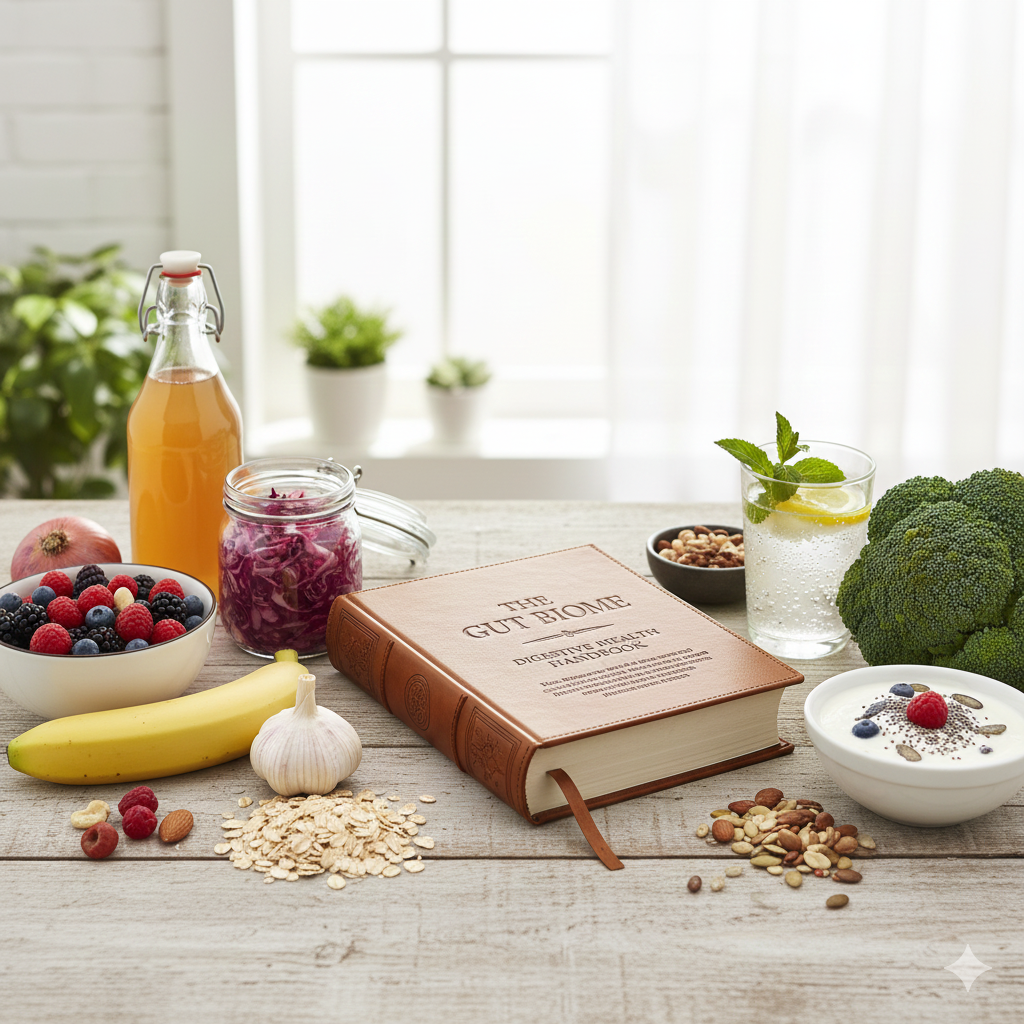
These are live beneficial bacteria. You can find them in:
- Kefir and Yogurt: Natural sources of Lactobacillus.
- Sauerkraut and Kimchi: Fermented vegetables that offer billions of CFUs (Colony Forming Units).
- Kombucha: A fermented tea that supports gut flora.
Prebiotics (The Food)
Probiotics are useless if they have nothing to eat. Prebiotics are types of fiber that humans can’t digest, but your gut bacteria love.
- Garlic and Onions: High in inulin.
- Bananas: Especially when slightly green.
- Asparagus: A powerhouse for bifidobacteria.
5. Improving Digestion Naturally: Lifestyle Hacks
You can’t just “eat” your way to a healthy gut; you have to live it.
I. Mindful Mastication (Chewing)
Digestion begins in the mouth. Most of us gulp our food, forcing the stomach to deal with large chunks. Aim to chew each bite 20-30 times. This releases salivary enzymes that ease the burden on your pancreas.
II. Hydration and the Mucosal Lining
According to Harvard Health, water is essential for the mucosal lining of the intestines. Without it, the “good” bacteria cannot move, leading to sluggish digestion.
III. The 12-Hour Fast
Give your gut a break. By fasting for 12 hours between dinner and breakfast (e.g., 7 PM to 7 AM), you allow the Migrating Motor Complex (MMC) to sweep through your intestines and clear out waste.
6. Foods to Avoid to Protect Your Gut
To prioritize digestive health, you must identify the “Gut Killers”:
- Ultra-Processed Sugars: These feed harmful yeast like Candida.
- Artificial Sweeteners: Aspartame and sucralose have been shown to alter gut bacteria negatively.
- Industrial Seed Oils: Oils like soybean and corn oil are highly inflammatory.
7. The Role of Supplements in Digestive Health
While food is first, supplements can bridge the gap:
- Digestive Enzymes: Help break down fats, proteins, and carbs.
- Magnesium Citrate: Helps with bowel regularity.
- Peppermint Oil: Clinically proven to soothe IBS symptoms.
8. Conclusion: Your Path to Vitality
Prioritizing your gut is a long-term investment. By focusing on the gut microbiome, managing the gut-brain axis, and utilizing probiotics and prebiotics, you aren’t just fixing your stomach—you are upgrading your entire biological system.
External Backlink List (For SEO)
- World Gastroenterology Organisation
- National Institutes of Health (NIH) – Gut Health
- WebMD – Digestive Disorders Chart
9. Leaky Gut Syndrome and Autoimmune Diseases
As many modern health experts suggest, the root of most chronic illnesses begins in the gut. Leaky Gut Syndrome, scientifically known as increased intestinal permeability, plays a critical role here. The intestinal wall is designed as a semi-permeable barrier made of a very fine, porous membrane. Under normal conditions, only small, vital nutrients should pass through this membrane into the bloodstream.
However, due to poor dietary habits, environmental toxins, and chronic emotional stress, these microscopic “tight junctions” become loose and enlarged. This allows bacteria, metabolic waste, and undigested food proteins to leak directly into the circulatory system. The immune system immediately identifies these substances as foreign invaders or “enemies” and launches an attack. This systemic immune response often results in chronic joint pain, thyroid dysfunction (such as Hashimoto’s Thyroiditis), and Chronic Fatigue Syndrome.
10. Superfoods for Improving Digestion Naturally
Integrating these nutrient-dense superfoods into your daily diet is an effective way to achieve the goal of improving digestion naturally:
- Ginger: Known for its prokinetic properties, ginger stimulates digestive enzymes and encourages the rapid movement of food from the stomach into the small intestine, reducing bloating and gas.
- Papaya: This tropical fruit contains Papain, a powerful proteolytic enzyme that assists the body in breaking down tough protein fibers.
- Apples: Rich in Pectin, a soluble prebiotic fiber that feeds beneficial gut bacteria and helps regulate bowel movements to prevent constipation.
- Bone Broth: A powerhouse of Collagen and essential amino acids like Glutamine, which are vital for the cellular repair of the intestinal lining.
11. 7-Day Gut Reset Plan
To provide practical value to your readers and improve on-page engagement, utilize this structured weekly meal plan:
| Day | Breakfast | Lunch | Dinner |
| Day 1 | Oats with Banana & Flaxseeds | Red Rice, Leafy Greens, and Lentils | Steamed Vegetables and White Fish |
| Day 2 | Greek Yogurt with Fresh Berries | Millet (Kurakkan) or Brown Rice | Light Vegetable Medley Soup |
| Day 3 | Steamed Sweet Potato with Coconut | Fresh Kale Salad and Grilled Fish | Lean Chicken with Garden Salad |
| Day 4 | Fresh Fruit Salad with Lime | Bitter Gourd, Lentils, and Rice | Poached Eggs and Sautéed Greens |
| Day 5 | Herbal Leafy Porridge (Kola Kanda) | Boiled Mung Beans or Chickpeas | Fish Soup with Whole Grain Bread |
| Day 6 | Oats with Crushed Peanuts | Vegetable Fried Brown Rice | Grilled Fish with Avocado Salad |
| Day 7 | Papaya and Banana Slices | Traditional Rice with Spinach Curry | Pureed Vegetable Soup |
12. Digestive Health and Immunity
Over 70% of the body’s immune cells reside within the gut lining, specifically in the Gut-Associated Lymphoid Tissue (GALT). This means if you suffer from frequent colds, flu, or persistent allergies, the underlying cause is likely an imbalance in your gut ecosystem.
Beneficial bacteria act as “trainers” for the immune system, helping it identify and neutralize harmful pathogens. Therefore, prioritizing your gut is effectively the same as fortifying your body’s primary defense system against disease.
13. The Surprising Link Between Sleep and Digestion
As discussed in our previous article, sleep deprivation significantly increases stress. But did you know it also alters your gut’s bacterial composition? When you stay awake late at night, your Circadian Rhythm is disrupted. This disruption impairs the production of essential digestive enzymes.
Furthermore, waiting at least 3 hours after your last meal before going to sleep can prevent Acid Reflux, ensuring that stomach acids remain where they belong during the night.
14. Conclusion and Final Guidance
Maintaining your digestive health is not a short-term diet; it is a long-term lifestyle commitment. By distancing yourself from artificial sweeteners, food dyes, and ultra-processed products while embracing natural, whole foods, you can secure a vibrant and energetic life.
In today’s fast-paced world, we cannot control everything, but by controlling what we eat and managing our mental peace, we can build a resilient digestive system that supports our overall well-being.
SEO & Backlink Notes:
To maximize your RankMath SEO score:
- Internal Link: Hyperlink the phrase “previous article” or “sleep deprivation” to your Sleep & Stress article.
- External Backlinks: Use the following high-authority links:
“Improve your digestive health with our ultimate guide. Learn how to optimize the gut microbiome, heal leaky gut syndrome, and use probiotics and prebiotics to boost immunity. Discover science-backed tips for improving digestion naturally and reclaim your vitality today!”