Low Testosterone Symptoms in Men: Signs, Causes, and Natural Ways to Improve Testosterone Levels
Testosterone is one of the most important hormones in the male body. It plays a key role in muscle growth, bone strength, sex drive, mood, energy levels, and overall health. When testosterone levels drop below normal, men may experience a wide range of physical, emotional, and sexual symptoms.
Low testosterone, also known as low T, is becoming increasingly common due to stress, poor lifestyle habits, obesity, lack of sleep, and aging. Many men live with low testosterone without realizing it, often blaming their symptoms on stress or getting older.
This article explains low testosterone symptoms in men, common causes, diagnosis, and natural ways to improve testosterone levels safely.
What Is Testosterone?
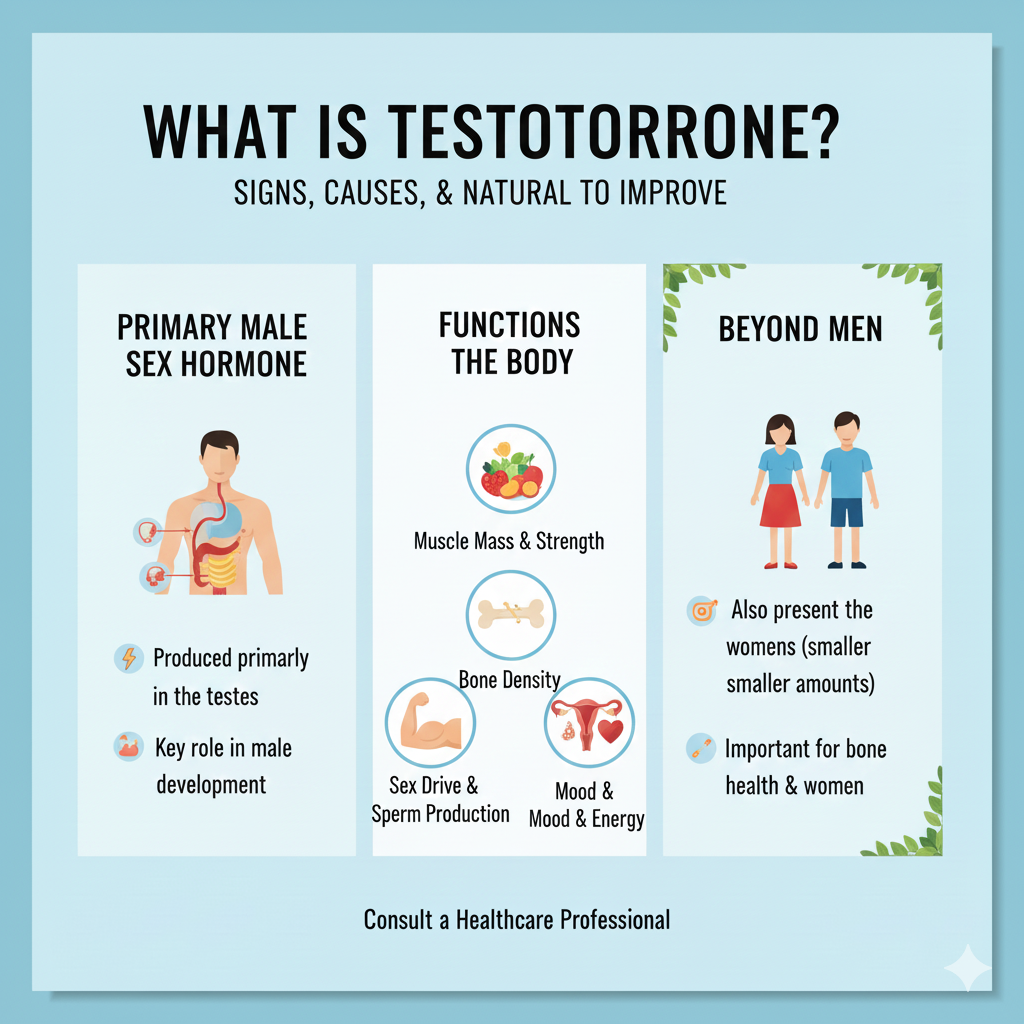
Testosterone is a male sex hormone produced mainly in the testicles. It is responsible for:
- Male sexual development
- Muscle mass and strength
- Fat distribution
- Bone density
- Sperm production
- Sex drive (libido)
- Mood and mental focus
Testosterone levels are highest during late teens and early adulthood. After the age of 30, testosterone levels naturally decline by about 1% per year, but in some men, the drop is much faster and more severe.
Common Low Testosterone Symptoms in Men
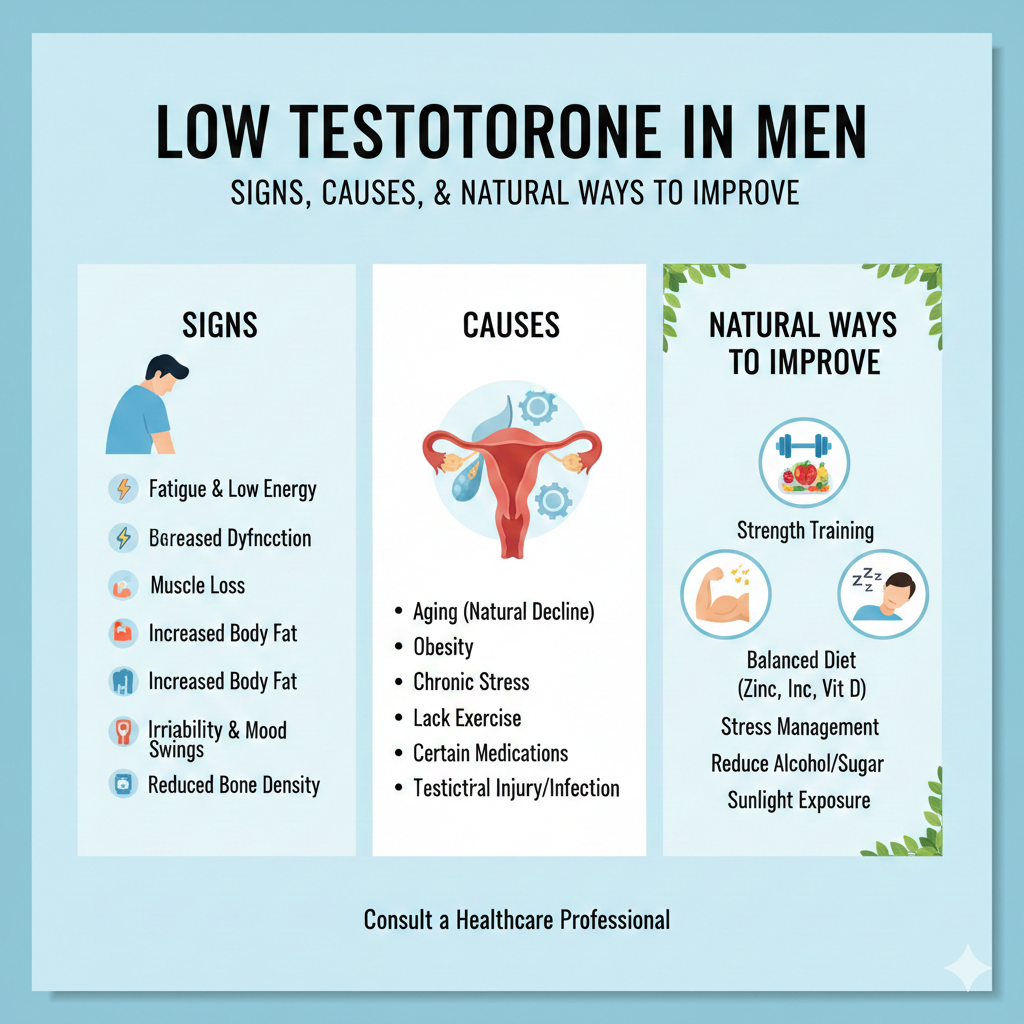
Low testosterone symptoms can affect the body, mind, and sexual health. The signs may develop slowly and worsen over time.
1. Low Sex Drive (Reduced Libido)
One of the earliest and most noticeable symptoms of low testosterone is a decrease in sexual desire.
Men with low testosterone may notice:
- Reduced interest in sex
- Fewer sexual thoughts or fantasies
- Decreased frequency of sexual activity
Testosterone directly controls libido, so even a small drop can affect sexual desire significantly.
2. Erectile Dysfunction (ED)
While testosterone does not directly cause erections, it plays a major role in triggering the brain signals that start the erection process.
Low testosterone may lead to:
- Difficulty getting or maintaining erections
- Weaker erections
- Reduced morning erections
Men with low testosterone often experience ED along with other symptoms like fatigue and low libido.
3. Fatigue and Low Energy Levels
Chronic tiredness is a very common symptom of low testosterone.
You may feel:
- Constant fatigue even after rest
- Low motivation
- Reduced stamina
- Feeling drained throughout the day
Unlike normal tiredness, this fatigue does not improve with sleep.
4. Loss of Muscle Mass and Strength
Testosterone is essential for building and maintaining muscle.
Low testosterone can cause:
- Loss of muscle mass
- Reduced strength
- Difficulty building muscle despite exercise
- Increased muscle soreness
Men may notice their body becoming weaker even if their diet and exercise routine remain unchanged.
5. Increased Body Fat and Belly Fat
Low testosterone is strongly linked to weight gain, especially around the abdomen.
Common changes include:
- Increased belly fat
- Difficulty losing weight
- Higher risk of obesity
- Development of metabolic disorders
Low testosterone can also increase estrogen levels in men, which further promotes fat storage.
6. Mood Changes and Depression
Testosterone influences mood, confidence, and emotional stability.
Low levels may cause:
- Depression
- Irritability
- Anxiety
- Mood swings
- Loss of confidence
Many men with low testosterone are misdiagnosed with depression without addressing the hormonal imbalance.
7. Brain Fog and Poor Concentration
Men with low testosterone often report:
- Difficulty focusing
- Memory problems
- Mental fatigue
- Reduced productivity
Testosterone plays a role in cognitive function and mental clarity.
8. Reduced Bone Density
Testosterone helps maintain strong bones.
Low testosterone increases the risk of:
- Weak bones
- Osteoporosis
- Bone fractures
This symptom is often silent until a fracture occurs.
9. Hair Thinning and Reduced Beard Growth
Hormonal imbalance can affect hair growth.
Low testosterone may cause:
- Thinning body hair
- Reduced facial hair growth
- Changes in hair texture
This does not usually cause complete baldness but may slow overall hair growth.
10. Sleep Problems
Low testosterone can disrupt sleep patterns.
Men may experience:
- Insomnia
- Poor sleep quality
- Sleep apnea
- Waking up tired
Lack of sleep further reduces testosterone, creating a dangerous cycle.
Causes of Low Testosterone in Men
Low testosterone can be caused by various factors:
1. Aging
Natural decline after age 30.
2. Chronic Stress
High cortisol levels reduce testosterone production.
3. Obesity
Excess fat converts testosterone into estrogen.
4. Poor Diet
Low protein, zinc, and healthy fats reduce hormone production.
5. Lack of Sleep
Less than 6 hours of sleep significantly lowers testosterone.
6. Sedentary Lifestyle
Lack of physical activity reduces hormone levels.
7. Medical Conditions
- Diabetes
- Fatty liver disease
- Thyroid disorders
- Pituitary gland issues
How Is Low Testosterone Diagnosed?
Low testosterone is diagnosed through a blood test, usually done in the morning when testosterone levels are highest.
Doctors may test:
- Total testosterone
- Free testosterone
- SHBG (sex hormone-binding globulin)
A proper diagnosis should always be done by a healthcare professional.
Natural Ways to Increase Testosterone Levels
Many men can improve testosterone levels naturally through lifestyle changes.
1. Improve Diet
Eat foods that support hormone production:
- Eggs
- Lean meat
- Fish
- Nuts and seeds
- Olive oil
- Vegetables
Avoid excessive sugar and processed foods.
2. Exercise Regularly
Best exercises for testosterone:
- Weight training
- Resistance training
- High-intensity interval training (HIIT)
Avoid excessive cardio.
3. Reduce Stress
Practice:
- Meditation
- Deep breathing
- Yoga
- Quality rest
Lower cortisol = higher testosterone.
4. Get Quality Sleep
Aim for 7–8 hours of sleep per night.
Improve sleep by:
- Sleeping at the same time daily
- Avoiding screens before bed
- Keeping the room dark and cool
5. Maintain Healthy Weight
Losing excess fat helps restore hormonal balance naturally.
6. Sunlight and Vitamin D
Sun exposure helps increase vitamin D, which is linked to testosterone production.
When to See a Doctor
If symptoms are severe or persistent, consult a doctor. Medical treatment may be needed in some cases, but lifestyle changes should always be the first step.
Final Thoughts
Low testosterone symptoms in men are more common than most people realize. Fatigue, low libido, weight gain, mood changes, and poor focus should not be ignored. Early identification and lifestyle changes can significantly improve testosterone levels and overall quality of life.
A healthy lifestyle, stress management, proper sleep, and balanced nutrition are the most effective natural ways to support testosterone and long-term male health.
🍽 Foods That Increase Testosterone Naturally
Testosterone production depends heavily on proper nutrition.
🔹 Best Foods for Testosterone
- Eggs (rich in healthy fats and cholesterol)
- Fatty fish (salmon, tuna)
- Lean red meat (in moderation)
- Nuts (almonds, walnuts)
- Pumpkin seeds (high in zinc)
- Spinach and leafy greens
- Avocados
- Olive oil
- Garlic
- Onions
❌ Foods to Limit or Avoid
- Sugary foods and soft drinks
- Processed and junk foods
- Excess alcohol
- Soy-based foods (in excess)
- Trans fats
🥗 Sample Daily Meal Plan (Testosterone-Friendly)
🌅 Breakfast
- 2 whole eggs
- Oats with nuts
- One fruit (banana or apple)
☀️ Lunch
- Brown rice or whole grains
- Grilled chicken or fish
- Mixed vegetables
- Fresh salad with olive oil
🌇 Evening Snack
- Handful of nuts
- Green tea or herbal tea
🌙 Dinner
- Light meal (fish or eggs)
- Steamed vegetables
- Avoid heavy carbs at night
🥤 Drinks That Support Testosterone
✔ Best Drinks
- Water (stay well hydrated)
- Green tea
- Ginger tea
- Lemon water
- Fresh vegetable juices (without sugar)
❌ Drinks to Avoid
- Sugary soft drinks
- Energy drinks
- Excess alcohol
- Artificial fruit juices
🛌 Lifestyle Habits That Improve Testosterone
- Sleep 7–8 hours daily
- Reduce screen time at night
- Get sunlight exposure
- Manage stress effectively
- Maintain a healthy body weight
⏳ How Long Does It Take to See Results?
With consistent lifestyle changes:
- Energy improves in 2–4 weeks
- Libido improves in 4–6 weeks
- Hormone balance improves in 2–3 months
🔔 Important Note
Natural methods work best for mild to moderate low testosterone. Severe cases require medical evaluation.
🔒 Medical Disclaimer
This content is for educational purposes only and should not replace medical advice. Consult a healthcare professional before starting any new exercise or diet plan.
🔹 Internal Linking (Optimized)
Diabetes & Fatty Liver connection
👉 Read more about diabetes and metabolic health
Lifestyle & metabolic disorders
👉 Learn more about lifestyle-related health conditions
Hormonal & metabolic health topics
👉 Explore sex life and overall health
| Topic | 🇺🇸 US | 🇬🇧 UK |
|---|---|---|
| Sex drive | low libido | reduced libido |
| Erections | erectile dysfunction | erectile problems |
| Fatigue | fatigue | tiredness |
| Weight | weight gain | putting on weight |
| Doctor | doctor | GP |
| Medication | medication | medicine |
Trusted Medical Sources for Low Testosterone in Men
Low testosterone, also known as testosterone deficiency, is a common health condition that affects many men worldwide. Because this is a medical (YMYL) topic, it is important to rely on trusted external medical sources for accurate and evidence-based information.
Below are some highly reliable international health websites that explain low testosterone symptoms in men, causes, diagnosis, and treatment options.
Mayo Clinic – Low Testosterone Symptoms in Men
The Mayo Clinic is one of the most trusted medical institutions in the United States.
According to the Mayo Clinic, low testosterone symptoms in men may include:
- Reduced sex drive
- Erectile dysfunction
- Fatigue and low energy
- Loss of muscle mass
- Increased body fat
- Mood changes and depression
👉 Learn more from Mayo Clinic:
https://www.mayoclinic.org/symptoms/low-testosterone
Healthline – Testosterone Deficiency Symptoms
Healthline provides medically reviewed health information written in simple language.
Healthline explains that testosterone deficiency symptoms can affect:
- Sexual health
- Mental focus and mood
- Physical strength
- Bone density
- Overall quality of life
👉 Read the detailed guide on Healthline:
https://www.healthline.com/health/low-testosterone
NHS (UK) – Testosterone Deficiency
The NHS (National Health Service) is the official healthcare system of the United Kingdom and a highly trusted source for UK audiences.
The NHS states that testosterone deficiency may cause:
- Tiredness (fatigue)
- Reduced libido
- Erectile problems
- Loss of muscle strength
- Mood changes
👉 Official NHS resource:
https://www.nhs.uk/conditions/low-testosterone/