Kidney Health: Functions, Disorders, and Prevention
Introduction
“Maintaining kidney health is essential for overall well-being. Healthy kidneys filter blood, regulate fluids, and support the body’s hormone balance. In this article, we explore how to improve kidney health, prevent kidney disease, and adopt a lifestyle that promotes healthy kidneys.”
The kidneys are two vital organs located in the lower back on either side of the spine. Though small—each about the size of a fist—they perform some of the most critical functions in the human body. Kidneys filter the blood, remove waste, balance fluids and electrolytes, regulate blood pressure, and even produce hormones necessary for healthy bodily functions. Maintaining kidney health is essential for overall well-being.

Globally, kidney diseases affect millions of people. According to the World Health Organization, chronic kidney disease (CKD) alone is estimated to impact over 10% of the population worldwide. Yet, many people remain unaware of the importance of kidneys until a problem develops. Understanding kidney function, risk factors for disease, and preventive measures can save lives and improve quality of life.
Section 1: Anatomy of the Kidneys
The human body has two kidneys, each shaped like a bean and located just below the rib cage on either side of the spine. The outer region is called the renal cortex, and the inner portion is the renal medulla, which contains renal pyramids that collect and transport urine. At the center lies the renal pelvis, where urine gathers before passing into the ureter and down to the bladder.
Each kidney contains around one million nephrons, which are the microscopic filtering units. These nephrons filter blood, remove waste, and maintain fluid balance. Blood enters the kidney through the renal artery and leaves via the renal vein, ensuring continuous filtration.
Section 2: Functions of the Kidneys
Kidneys perform several essential functions:
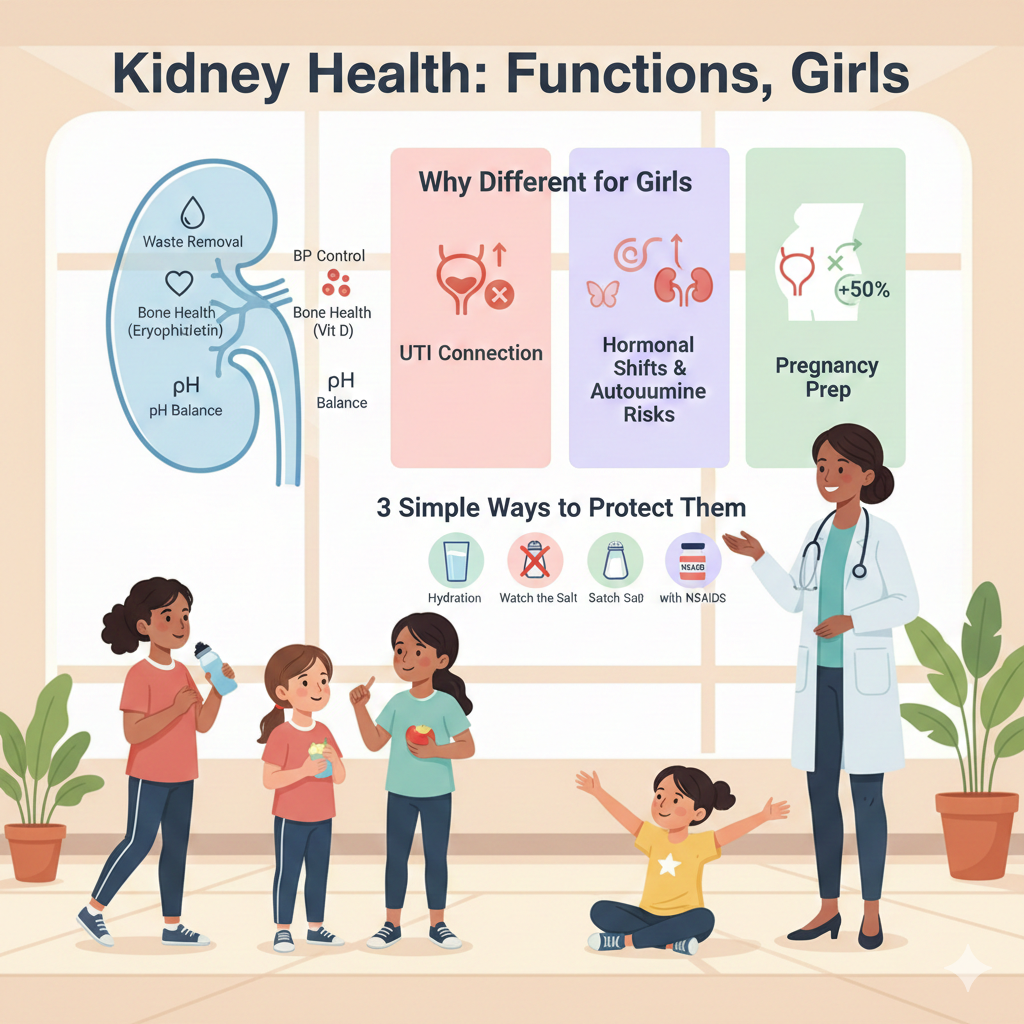
- Filtration of Waste: Kidneys filter out metabolic wastes like urea, creatinine, and toxins from the bloodstream. These wastes are then excreted in urine.
- Fluid and Electrolyte Balance: The kidneys maintain levels of sodium, potassium, calcium, and phosphate in the blood. This balance is critical for nerve function, muscle activity, and overall cellular health.
- Acid-Base Regulation: By adjusting the excretion of hydrogen and bicarbonate ions, kidneys maintain the blood’s pH within a normal range.
- Hormone Production:
- Erythropoietin stimulates red blood cell production in the bone marrow.
- Renin helps regulate blood pressure by controlling salt and water balance.
- Calcitriol (active Vitamin D) is produced to maintain calcium levels and bone health.
- Detoxification and Drug Excretion: Kidneys help remove certain medications and chemicals from the body, preventing toxic buildup.
Section 3: How Kidneys Work
The functional unit of the kidney, the nephron, is where blood filtration happens. Blood enters the nephron through the glomerulus, a cluster of tiny blood vessels. Here, water, salts, glucose, and wastes are filtered out, while essential nutrients are reabsorbed.
- Filtration: Blood pressure pushes water and small molecules through the glomerular membrane.
- Reabsorption: Useful substances like glucose, amino acids, and certain ions are reabsorbed back into the bloodstream.
- Secretion: Waste products and excess ions are actively secreted into the tubular fluid.
- Excretion: The final product, urine, flows into the renal pelvis, then to the ureter and bladder for elimination.
The glomerular filtration rate (GFR) is a measure of kidney function, indicating how efficiently blood is being filtered. Healthy kidneys maintain GFR within a normal range, while lower rates can signal kidney disease.
Section 4: Common Kidney Disorders
- Chronic Kidney Disease (CKD):
CKD is the gradual loss of kidney function over time. It often results from diabetes and high blood pressure. Symptoms may include fatigue, swelling in hands or feet, high blood pressure, and frequent urination at night. CKD can progress to kidney failure if untreated. - Kidney Stones:
Hard deposits formed from minerals like calcium or uric acid can block urine flow, causing severe pain, nausea, and blood in urine. Risk factors include dehydration, high salt intake, obesity, and certain medical conditions. - Acute Kidney Injury (AKI):
AKI is a sudden loss of kidney function, often caused by infections, severe dehydration, or medication toxicity. Symptoms include reduced urine output, swelling, confusion, and fatigue. Immediate medical attention is necessary. - Urinary Tract Infections (UTIs):
UTIs can affect the bladder and kidneys (pyelonephritis). Symptoms include pain during urination, fever, and back pain. Untreated UTIs can lead to kidney damage. - Other Disorders:
- Polycystic Kidney Disease (PKD): Genetic disorder causing cysts in kidneys.
- Glomerulonephritis: Inflammation of kidney filters affecting filtration.
Section 5: Causes and Risk Factors
- Lifestyle Factors: Poor diet, dehydration, excessive salt, smoking, and alcohol.
- Medical Conditions: Diabetes, hypertension, heart disease, and obesity.
- Genetic Factors: Family history of kidney disease increases risk.
- Medications and Toxins: Long-term use of painkillers or exposure to certain chemicals.
Section 6: Symptoms of Kidney Problems
- Early-stage kidney disease may show no symptoms, making regular checkups crucial.
- Common warning signs:
- Swelling in hands, feet, or face.
- Fatigue or weakness.
- Changes in urination frequency or appearance.
- High blood pressure.
- Persistent nausea, vomiting, or loss of appetite.
Section 7: Diagnosis of Kidney Diseases
- Blood Tests: Measure creatinine, urea, and electrolytes.
- Urine Tests: Detect protein, blood, or infection.
- Imaging Tests: Ultrasound, CT scan, or MRI to check kidney structure.
- Kidney Biopsy: For diagnosing glomerular diseases or unexplained kidney problems.
Section 8: Treatment and Management
- Lifestyle Changes: Healthy diet, regular exercise, and proper hydration.
- Medications: To control blood pressure, blood sugar, or reduce inflammation.
- Dialysis: For advanced kidney failure, including hemodialysis and peritoneal dialysis.
- Kidney Transplant: A treatment option when kidneys fail completely, improving quality of life.
Section 9: Prevention of Kidney Diseases
- Maintain healthy blood pressure and blood sugar.
- Drink enough water to prevent kidney stones and aid filtration.
- Eat a balanced diet low in processed foods and salt.
- Avoid overuse of painkillers or harmful substances.
- Regular medical checkups, especially for at-risk individuals.
Section 10: Diet and Lifestyle for Healthy Kidneys
- Recommended Foods: Fruits, vegetables, whole grains, lean proteins.
- Foods to Limit: Salt, processed foods, sugary drinks, excessive red meat.
- Lifestyle Tips: Maintain healthy weight, exercise, avoid smoking and alcohol.
Section 11: Myths and Facts About Kidney Health
- Myth: “Drinking excessive water always cleanses kidneys.”
Fact: Hydration is important, but too much water can be harmful. - Myth: “Kidney disease always causes symptoms.”
Fact: Early-stage kidney disease often has no noticeable symptoms. - Myth: “Kidneys can regenerate completely.”
Fact: Kidneys cannot fully regenerate; prevention is key.
Section 12: Kidney Health and Overall Well-being
Kidney health affects the entire body. Poor kidney function can lead to heart disease, anemia, bone weakness, and mental health issues. Maintaining kidney health is essential for overall metabolic and hormonal balance.
The Ultimate Guide to Kidney Health and Function
The kidneys are two bean-shaped organs, each about the size of a fist, located just below the rib cage on each side of the spine. While they are often simplified as “filters,” they are actually complex regulatory organs that maintain the chemical “homeostasis” of the entire human body.
I. Advanced Anatomy: The Filtration Machinery
To understand kidney health, one must understand the Nephron. Each kidney contains approximately 1 million of these microscopic units.
1. The Glomerulus (The Sieve)
The process begins at the glomerulus, a cluster of tiny blood vessels. Here, blood pressure forces water and small molecules out of the blood and into the kidney tubules. Large objects, like red blood cells and large proteins (albumin), are kept in the bloodstream. If your urine test shows protein, it usually means this “sieve” is damaged.
2. The Tubules (The Recycler)
The filtered fluid then travels through a long series of tubes. This is where the magic happens. The body selectively reabsorbs:
- 99% of the water filtered.
- Essential minerals like glucose and amino acids.
- The remaining concentrated liquid becomes urine.
II. The Five Pillars of Kidney Function
Beyond filtration, the kidneys act as a command center for several bodily systems.
1. Metabolic Waste Excretion
The kidneys clear out the “exhaust fumes” of the body:
- Urea: Produced from the breakdown of proteins.
- Creatinine: A waste product from normal muscle wear and tear.
- Uric Acid: A byproduct of DNA/RNA breakdown (excess leads to Gout).
2. Acid-Base (pH) Balance
The human body must maintain a blood pH of approximately 7.4. Even a slight shift can be fatal. The kidneys manage this by excreting hydrogen ions (acid) and reabsorbing bicarbonate (base).
3. Endocrine (Hormonal) Functions
The kidneys are endocrine glands. They produce:
- Erythropoietin (EPO): Stimulates the bone marrow to produce red blood cells.
- Renin: A critical enzyme that regulates systemic blood pressure.
- Calcitriol: The active form of Vitamin D, essential for calcium absorption.
4. Electrolyte Homeostasis
The kidneys precisely balance levels of Sodium ($Na^+$), Potassium ($K^+$), and Magnesium ($Mg^{2+}$). Potassium is the most dangerous; if the kidneys fail to remove it, high levels (hyperkalemia) can stop the heart.
III. Major Threats to Kidney Health
Chronic Kidney Disease (CKD) is often called a “silent killer” because symptoms rarely appear until the late stages.
1. Diabetic Nephropathy
High blood sugar acts like “glass shards” in the delicate vessels of the kidney. Over years, this scarring leads to kidney failure. This is the leading cause of dialysis worldwide.
2. Hypertension (High Blood Pressure)
It’s a vicious cycle: High blood pressure damages kidney vessels, and damaged kidneys produce more renin, which further raises blood pressure.
3. Nephrotoxicity (Drug-Induced Damage)
- NSAIDs: Over-the-counter painkillers like Ibuprofen or Naproxen can reduce blood flow to the kidneys.
- Antibiotics: Certain classes (like Aminoglycosides) can be toxic to kidney cells if not monitored.
IV. Kidney Stones: Prevention and Types
Kidney stones are hard deposits made of minerals and salts.
- Calcium Oxalate: The most common type. Often caused by low fluid intake or high oxalate foods (spinach, nuts).
- Uric Acid Stones: Common in those with high-protein diets or gout.
- Prevention: The “Golden Rule” is to drink enough water so that your urine is consistently pale yellow or clear.
V. Strategic Maintenance: Protecting Your Function
To preserve your kidneys for a lifetime, focus on these four pillars:
- Hydration Management: Aim for 2–3 liters of water daily, depending on activity level.
- The “Low Salt” Rule: Excess sodium forces the kidneys to work harder to maintain fluid balance and spikes blood pressure.
- Blood Sugar Control: If you are pre-diabetic or diabetic, keeping your $HbA1c$ (average blood sugar) low is the single best thing you can do for your kidneys.
- Regular Screening: A simple Urinalysis (looking for protein) and a Serum Creatinine blood test can detect issues years before symptoms start.
| Feature | Healthy Kidneys | Chronic Kidney Disease (CKD) |
| Urine Output | Regular and clear/pale | Decreased or “foamy” (protein) |
| Energy Levels | Normal | Chronic fatigue (due to Anemia) |
| Blood Pressure | Controlled | High and difficult to manage |
| Skin Health | Normal | Extreme itching (toxin buildup) |
| Mental Clarity | Sharp | “Brain fog” or confusion |
Conclusion
The kidneys are vital organs that play a crucial role in keeping the body healthy. Understanding kidney functions, risk factors, and preventive strategies is essential for avoiding kidney disease and maintaining overall health. By adopting a balanced diet, staying hydrated, managing chronic conditions, and seeking medical attention when necessary, individuals can ensure their kidneys remain healthy for life. Protecting your kidneys today means a healthier tomorrow.
Internal Linking
- Introduction section:
“Maintaining kidney health is essential for overall well-being. For more tips on general health and wellness, visit HealthGuideMe Home.” - Diet & Lifestyle section:
“Eating a balanced diet supports kidney function. You can also explore how women can increase breast size naturally for nutrition and healthy lifestyle tips.” - Heart Health Connection section:
“Kidney health is closely linked to cardiovascular health. Learn more about heart disease treatment options and its impact on overall well-being.”
Examples of External DoFollow Links
- Kidney function explanation:
“According to the National Kidney Foundation (DoFollow), kidneys filter around 50 gallons of blood daily to maintain proper fluid and electrolyte balance.” - Chronic kidney disease stats:
“The World Health Organization reports that chronic kidney disease affects over 10% of the global population.” - Diet and lifestyle tips:
“For detailed guidance on kidney-friendly diets, visit Mayo Clinic.”