
Importance of Sleep for Overall Health
Introduction
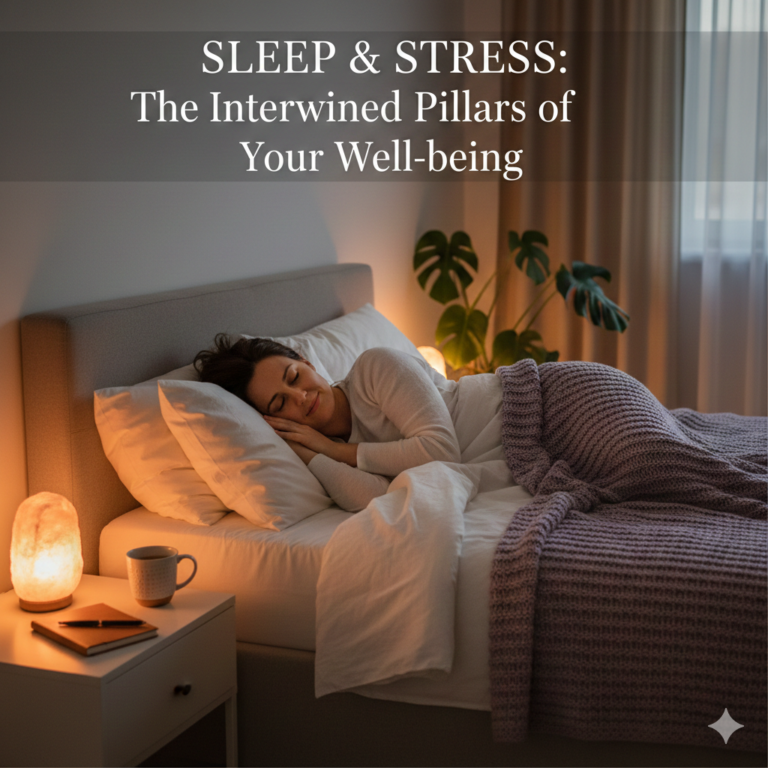
Sleep is one of the most essential yet most neglected aspects of human health. In today’s fast-paced world, people often sacrifice sleep to meet work deadlines, academic goals, or social commitments. However, sleep is not a luxury—it is a biological necessity. Just like food, water, and oxygen, sleep is vital for survival and overall well-being.
Scientific research has consistently shown that quality sleep plays a critical role in maintaining physical health, mental balance, emotional stability, and long-term disease prevention. Chronic sleep deprivation has been linked to serious health problems such as heart disease, diabetes, obesity, weakened immunity, depression, and reduced cognitive performance.
This article explores the importance of sleep for overall health in detail, covering how sleep works, why it is essential, its impact on different body systems, the consequences of poor sleep, recommended sleep duration, and practical tips to improve sleep quality naturally.
What Is Sleep?
Sleep is a natural, recurring state of rest during which the body and mind recover from daily activities. During sleep, consciousness is reduced, muscle activity decreases, and responsiveness to external stimuli is lowered. However, the brain remains active and performs crucial maintenance functions.
Sleep is not a passive process. It is a highly organized and dynamic biological activity controlled by the brain and regulated by the circadian rhythm—the body’s internal clock.
Stages of Sleep
Sleep occurs in cycles and is divided into two main types:
1. Non-Rapid Eye Movement (NREM) Sleep
NREM sleep has three stages:
- Stage 1: Light sleep; transition between wakefulness and sleep
- Stage 2: Body temperature drops, heart rate slows
- Stage 3: Deep sleep (slow-wave sleep); crucial for physical recovery
2. Rapid Eye Movement (REM) Sleep
REM sleep is associated with dreaming, memory consolidation, emotional regulation, and brain development.
A complete sleep cycle lasts about 90 minutes, and a healthy adult experiences 4–6 cycles per night.
Why Sleep Is Essential for Overall Health
1. Sleep and Brain Function
Sleep is essential for optimal brain performance. During sleep, the brain processes information, consolidates memories, and clears out toxins that accumulate during wakefulness.
Benefits include:
- Improved memory and learning
- Better concentration and focus
- Enhanced problem-solving skills
- Emotional regulation
Lack of sleep impairs judgment, slows reaction time, and reduces creativity.
2. Sleep and Mental Health
There is a strong connection between sleep and mental health. Poor sleep increases the risk of:
- Anxiety disorders
- Depression
- Mood swings
- Irritability
- Stress intolerance
Sleep helps regulate neurotransmitters such as serotonin and dopamine, which are essential for emotional stability and happiness.
3. Sleep and Physical Health
a) Heart Health
Sleep supports cardiovascular health by regulating blood pressure, heart rate, and inflammation. Chronic sleep deprivation increases the risk of:
- High blood pressure
- Heart attacks
- Stroke
b) Immune System
During sleep, the immune system releases cytokines that help fight infections and inflammation. Poor sleep weakens immune response, making the body more vulnerable to illnesses.
c) Metabolism and Weight Control
Sleep regulates hunger hormones:
- Ghrelin (increases appetite)
- Leptin (controls satiety)
Lack of sleep increases appetite, cravings for unhealthy foods, and weight gain.
4. Sleep and Hormonal Balance
Sleep influences the production of critical hormones, including:
- Growth hormone
- Cortisol (stress hormone)
- Insulin
- Melatonin
Disrupted sleep leads to hormonal imbalances that affect growth, stress levels, blood sugar control, and aging.
5. Sleep and Muscle Recovery
Sleep is essential for physical recovery and muscle repair. During deep sleep:
- Muscle tissues rebuild
- Energy stores are replenished
- Inflammation reduces
Athletes and physically active individuals require quality sleep for optimal performance.
6. Sleep and Longevity
Studies show that people who consistently get adequate sleep live longer and healthier lives. Chronic sleep deprivation accelerates aging, increases disease risk, and reduces life expectancy.
Effects of Sleep Deprivation
Short-Term Effects
- Fatigue and drowsiness
- Reduced attention span
- Poor memory
- Mood swings
- Slower reflexes
Long-Term Effects
- Obesity
- Type 2 diabetes
- Heart disease
- Depression
- Weakened immune system
- Cognitive decline
How Much Sleep Do You Need?
Recommended sleep duration by age:
- Newborns: 14–17 hours
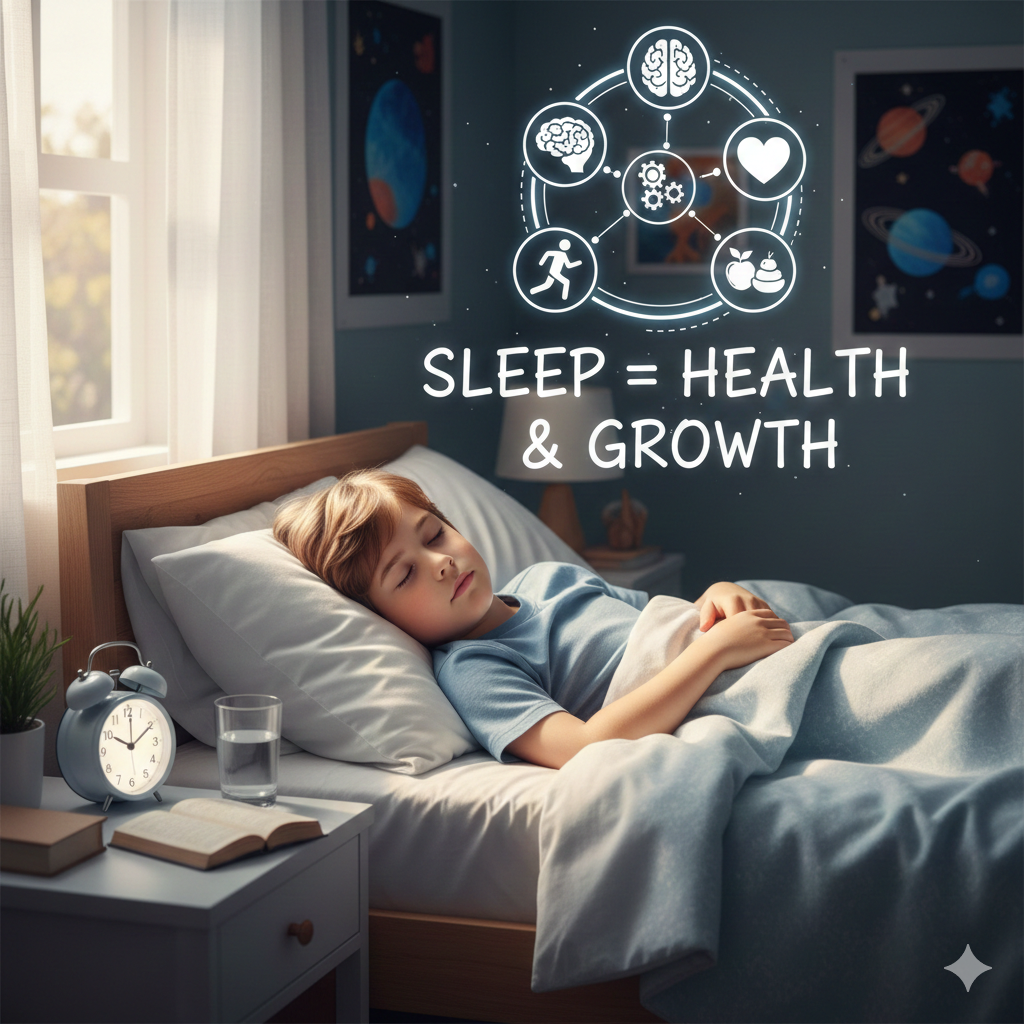
- Children: 9–12 hours
- Teenagers: 8–10 hours
- Adults: 7–9 hours
- Older adults: 7–8 hours
Quality matters as much as quantity.
Signs of Poor Sleep Quality
- Difficulty falling asleep
- Frequent awakenings at night
- Waking up tired
- Daytime sleepiness
- Lack of concentration
Causes of Poor Sleep
- Stress and anxiety
- Excessive screen time
- Irregular sleep schedules
- Caffeine and alcohol
- Poor sleep environment
- Medical conditions
Tips to Improve Sleep Naturally
1. Maintain a Consistent Sleep Schedule
Go to bed and wake up at the same time every day.
2. Create a Sleep-Friendly Environment
- Dark, quiet, and cool room
- Comfortable mattress and pillows
3. Reduce Screen Time
Avoid screens at least 1 hour before bedtime.
4. Practice Relaxation Techniques
- Deep breathing
- Meditation
- Light stretching
5. Avoid Caffeine and Heavy Meals at Night
6. Exercise Regularly
Physical activity improves sleep quality.
Sleep and Productivity
Adequate sleep improves:
- Work performance
- Decision-making
- Creativity
- Learning efficiency
Sleep deprivation reduces productivity and increases errors.
Sleep and Students
Sleep is critical for:
- Memory retention
- Exam performance
- Emotional balance
Students who sleep well perform better academically.
Sleep Disorders
Common sleep disorders include:
- Insomnia
- Sleep apnea
- Restless leg syndrome
- Narcolepsy
Early diagnosis and treatment are essential.
Myths About Sleep
- “I can function well on 4 hours of sleep” ❌
- “Sleeping more on weekends fixes sleep debt” ❌
- “Alcohol improves sleep” ❌
Importance of Sleep in Modern Life
With increasing digital exposure and stress, prioritizing sleep has become more important than ever. Sleep should be considered a pillar of health alongside diet and exercise.

Conclusion
Sleep is a fundamental pillar of overall health that affects every system in the human body. From brain function and emotional well-being to immune defense and heart health, sleep plays an irreplaceable role. Ignoring sleep leads to serious physical and mental consequences, while prioritizing quality sleep enhances life quality, productivity, and longevity.
In a world that glorifies busyness, choosing to sleep well is a powerful act of self-care. By adopting healthy sleep habits and respecting the body’s natural rhythms, individuals can achieve better health, stronger immunity, improved mental clarity, and a longer, more fulfilling life.
The Science Behind Sleep and Circadian Rhythm
Sleep is regulated by the circadian rhythm, an internal biological clock that operates on a 24-hour cycle. This rhythm is influenced by environmental cues such as light and darkness. When it gets dark, the brain releases melatonin, a hormone that signals the body to prepare for sleep. Exposure to artificial light at night, especially from screens, disrupts this natural rhythm and delays sleep onset.
A well-regulated circadian rhythm ensures deep, restorative sleep, while disruption can lead to chronic fatigue, insomnia, and long-term health issues.
Sleep and Cognitive Performance
Sleep is essential for learning, memory consolidation, and decision-making. During sleep, the brain organizes and stores information acquired throughout the day. Without adequate sleep, the brain struggles to process information efficiently.
Poor sleep results in:
- Reduced attention and focus
- Slower thinking and reaction time
- Poor problem-solving ability
- Decreased academic and work performance
This is why sleep is critical for students, professionals, and anyone involved in mentally demanding tasks.
Sleep and Emotional Well-Being
Sleep has a powerful influence on emotional regulation. Adequate sleep helps the brain manage emotions effectively, reducing emotional reactivity and mood instability.
Lack of sleep can cause:
- Increased irritability
- Anxiety and emotional sensitivity
- Difficulty handling stress
- Higher risk of depression
Healthy sleep supports emotional resilience and psychological balance.
Sleep and the Immune Defense System
Sleep strengthens the immune system by supporting the production of infection-fighting cells and antibodies. During deep sleep, the body releases immune proteins that help combat viruses and bacteria.
People who sleep poorly are:
- More likely to fall sick
- Slower to recover from infections
- Less responsive to vaccinations
Consistent, quality sleep is a natural immune booster.
Sleep and Chronic Disease Prevention
Long-term sleep deprivation increases the risk of chronic illnesses. Poor sleep contributes to inflammation, hormonal imbalance, and metabolic dysfunction, which are key factors in disease development.
Conditions linked to poor sleep include:
- Cardiovascular diseases
- Type 2 diabetes
- Obesity
- Neurodegenerative disorders
Adequate sleep plays a preventive role in maintaining long-term health.
Sleep Quality vs Sleep Quantity
Sleeping for many hours does not always mean good sleep. Sleep quality refers to how deep, uninterrupted, and restorative sleep is.
Good sleep quality includes:
- Falling asleep within 20–30 minutes
- Staying asleep throughout the night
- Waking up refreshed
Both sleep duration and sleep quality are equally important for health.
Lifestyle Factors That Affect Sleep
Modern lifestyles significantly impact sleep patterns. Common factors that negatively affect sleep include:
- Excessive screen exposure
- Irregular sleep schedules
- High stress levels
- Late-night eating
- Caffeine and nicotine use
Making small lifestyle adjustments can greatly improve sleep quality.
Natural Ways to Support Healthy Sleep
Natural sleep improvement strategies include:
- Maintaining a regular bedtime routine
- Limiting screen use before bed
- Practicing relaxation techniques
- Ensuring adequate daylight exposure
- Creating a calm sleep environment
These habits support the body’s natural sleep mechanisms without medication.
The Role of Sleep in Daily Energy Levels
Sleep directly affects daytime energy and alertness. Poor sleep leads to constant tiredness, reduced motivation, and lack of productivity.
Quality sleep results in:
- Higher energy levels
- Better motivation
- Improved physical and mental endurance
Sleep is the foundation of an active and productive life.
Importance of Sleep Awareness
Despite its importance, sleep is often ignored in health discussions. Educating people about sleep health is essential for improving public well-being.
Recognizing sleep as a health priority can:
- Reduce disease burden
- Improve mental health outcomes
- Enhance quality of life
Article Paragraph (With Natural Link References)
Sleep is a fundamental biological process that plays a crucial role in maintaining overall health and well-being. Scientific evidence clearly shows the importance of sleep for overall health, as it directly affects brain function, emotional balance, immune strength, and physical recovery. Adequate sleep helps the body regulate hormones, repair tissues, strengthen memory, and reduce the risk of chronic diseases such as heart disease, diabetes, and depression. Health organizations and sleep research institutions consistently emphasize that quality sleep should be considered a core pillar of a healthy lifestyle, alongside proper nutrition and regular physical activity. Understanding how sleep supports both mental and physical health allows individuals to make better daily habits that promote long-term wellness and productivity.
External Resources (DoFollow Links)
World Health Organization (WHO) – Sleep and Health
https://www.who.int
National Sleep Foundation – Why Sleep Is Important
https://www.sleepfoundation.org
Centers for Disease Control and Prevention (CDC) – Sleep and Sleep Disorders
https://www.cdc.gov
Article Paragraph (Internal Links Context)
Sleep is a vital pillar of health that supports both physical and mental well-being. Understanding the importance of sleep for overall health helps individuals build stronger immunity, improve brain function, maintain emotional balance, and reduce the risk of chronic diseases. However, sleep alone is not enough to achieve optimal health. A holistic approach that includes proper nutrition, healthy lifestyle choices, skin care awareness, and evidence-based medical guidance is essential for long-term wellness. By combining quality sleep with informed health decisions, individuals can improve their overall quality of life, confidence, and physical appearance in a safe and sustainable way.
Internal Resources (Related Articles)
Health Guide Me – Complete Health & Wellness Resources
https://healthguideme.com/
Hair Transplant Complete Guide – Procedures, Benefits & Recovery
https://healthguideme.com/hair-transplant-complete-guide/
Skin Lightening Practices in USA, UK & Canada – Safety & Awareness
https://healthguideme.com/skin-lightening-practices-usa-uk-canada/
Importance of Sleep for Overall Health
Sleep is a vital biological process that supports both physical and mental well-being. The importance of sleep for overall health is widely recognized by medical experts, as quality sleep helps the body recover, regulate hormones, and maintain emotional balance. Without adequate sleep, the body becomes more vulnerable to stress, illness, and reduced cognitive performance.
Research shows that good sleep improves brain function, memory, and concentration while also strengthening the immune system. Understanding the importance of sleep for overall health allows individuals to reduce the risk of chronic conditions such as heart disease, diabetes, and depression. Sleep also plays a key role in maintaining healthy metabolism and daily energy levels.
In addition, sleep supports mental health by reducing anxiety, improving mood, and enhancing emotional control. Many health organizations emphasize the importance of sleep for overall health as a core pillar of a healthy lifestyle, alongside proper nutrition and regular physical activity.
In conclusion, the importance of sleep for overall health cannot be ignored. Prioritizing quality sleep leads to better physical strength, mental clarity, stronger immunity, and a healthier, more balanced life.
This clearly explains the importance of sleep for overall health in maintaining both physical and mental well-being.