Human Immunodeficiency Virus (HIV): A Comprehensive Overview
Introduction
Human Immunodeficiency Virus (HIV) is a global public health issue that has affected millions of people worldwide since it was first identified in the early 1980s. HIV attacks the human immune system, specifically targeting CD4 cells (also known as T-helper cells), which play a crucial role in protecting the body against infections and diseases. If left untreated, HIV can lead to Acquired Immunodeficiency Syndrome (AIDS), the most advanced stage of HIV infection.
Despite major advances in medical science, HIV remains a significant challenge due to social stigma, lack of awareness, unequal access to healthcare, and misinformation. However, with early diagnosis, proper treatment, and preventive measures, people living with HIV can lead long, healthy, and productive lives. This article provides a detailed discussion of HIV, including its causes, transmission, symptoms, diagnosis, treatment, prevention, and global impact.
What is HIV?
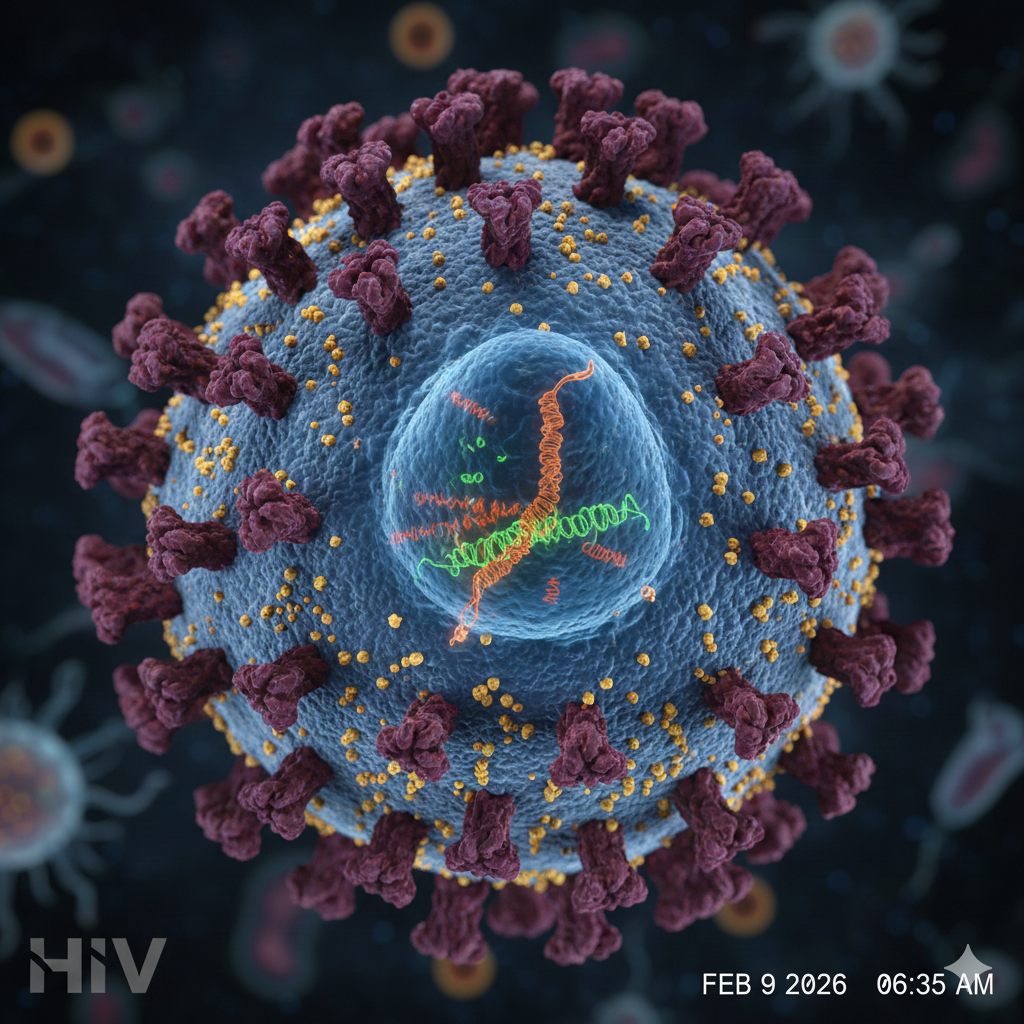
HIV is a virus that weakens the immune system by destroying CD4 cells. These cells are essential for fighting infections and diseases. When the number of CD4 cells decreases, the body becomes more vulnerable to opportunistic infections and certain cancers.
HIV belongs to a group of viruses known as retroviruses. Unlike many other viruses, HIV inserts its genetic material into the DNA of the host cell, making it difficult to completely eliminate from the body. There are two main types of HIV:
- HIV-1: The most common and widespread type globally.
- HIV-2: Less common and mainly found in West Africa; it progresses more slowly than HIV-1.
History of HIV and AIDS
HIV was first recognized in the early 1980s when clusters of rare infections and cancers were reported among young gay men in the United States. In 1983, scientists identified HIV as the virus responsible for AIDS. Since then, HIV has spread worldwide, affecting people of all genders, ages, races, and socioeconomic backgrounds.
Over the decades, scientific research has significantly improved the understanding of HIV. The development of antiretroviral therapy (ART) has transformed HIV from a fatal disease into a manageable chronic condition.
How HIV is Transmitted
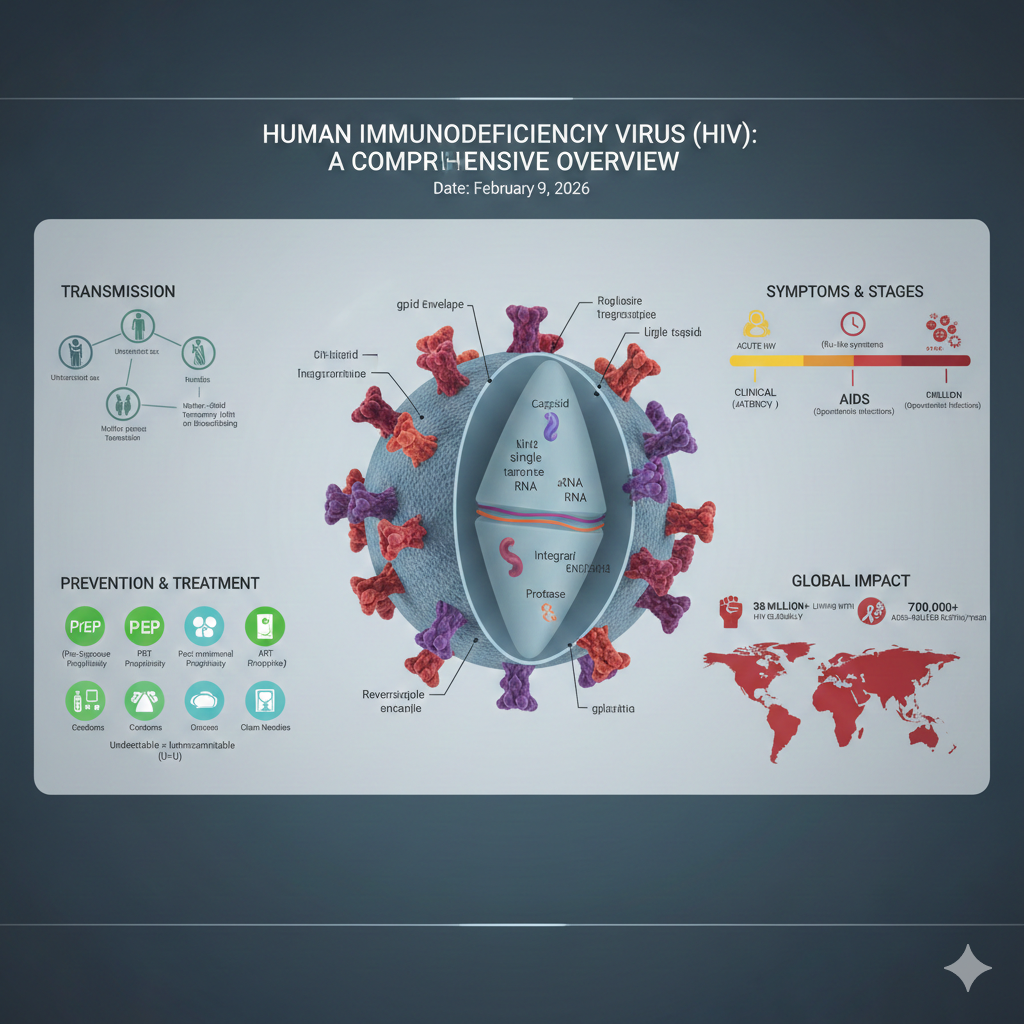
HIV is transmitted through the exchange of certain body fluids from an infected person. These fluids include:
- Blood
- Semen
- Vaginal fluids
- Rectal fluids
- Breast milk
Common modes of HIV transmission include:
1. Sexual Transmission
Unprotected sexual intercourse (vaginal or anal) with an HIV-positive partner is the most common mode of transmission. Anal sex carries a higher risk due to the delicate tissues involved.
2. Blood Transmission
Sharing contaminated needles, syringes, or other injecting equipment can transmit HIV. This is common among people who inject drugs.
3. Mother-to-Child Transmission
An HIV-positive mother can transmit the virus to her child during pregnancy, childbirth, or breastfeeding if preventive measures are not taken.
4. Blood Transfusions and Organ Transplants
In countries with inadequate screening systems, HIV can be transmitted through infected blood transfusions or organ transplants. However, this risk is extremely low in countries with strict screening protocols.
How HIV is NOT Transmitted
HIV cannot be transmitted through casual contact. It is not spread by:
- Hugging or shaking hands
- Sharing food or utensils
- Coughing or sneezing
- Mosquito or insect bites
- Using public toilets
Understanding these facts is essential to reduce stigma and discrimination against people living with HIV.
Stages of HIV Infection
HIV infection progresses through three main stages if untreated:
1. Acute HIV Infection
This stage occurs within 2–6 weeks after exposure. Symptoms may resemble flu-like illness, including fever, headache, sore throat, rash, and swollen lymph nodes. During this stage, the virus multiplies rapidly and is highly infectious.
2. Chronic HIV Infection
Also known as the clinical latency stage, this phase can last for several years. The virus continues to multiply at lower levels, often without noticeable symptoms. Without treatment, HIV continues to damage the immune system.
3. Acquired Immunodeficiency Syndrome (AIDS)
AIDS is the most severe stage of HIV infection. It is diagnosed when the CD4 cell count falls below 200 cells/mm³ or when specific opportunistic infections occur. Without treatment, AIDS can be life-threatening.
Symptoms of HIV
Symptoms vary depending on the stage of infection:
- Early Stage: Fever, fatigue, sore throat, rash, muscle aches
- Chronic Stage: Often asymptomatic or mild symptoms
- Advanced Stage: Severe weight loss, persistent diarrhea, chronic fever, night sweats, opportunistic infections
It is important to note that many people may not experience symptoms for years, making regular testing crucial.
Diagnosis of HIV
HIV can only be confirmed through medical testing. Common diagnostic methods include:
- Antibody Tests: Detect antibodies produced in response to HIV
- Antigen/Antibody Tests: Detect both HIV antibodies and antigens
- Nucleic Acid Tests (NATs): Detect the virus itself
Early diagnosis allows timely treatment, reducing complications and preventing transmission.
Treatment of HIV
There is currently no cure for HIV, but it can be effectively managed with Antiretroviral Therapy (ART). ART involves taking a combination of HIV medicines daily to:
- Reduce viral load
- Increase CD4 cell count
- Prevent progression to AIDS
- Reduce the risk of transmission
When taken consistently, ART can suppress the virus to undetectable levels. People with an undetectable viral load cannot transmit HIV to others, a concept known as U=U (Undetectable = Untransmittable).
Prevention of HIV
HIV prevention strategies include:
1. Safe Sexual Practices
- Consistent and correct use of condoms
- Regular HIV testing
- Mutual monogamy with an uninfected partner
2. Pre-Exposure Prophylaxis (PrEP)
PrEP is a daily medication taken by HIV-negative individuals to reduce the risk of infection.
3. Post-Exposure Prophylaxis (PEP)
PEP involves taking HIV medications within 72 hours after potential exposure.
4. Harm Reduction
- Needle exchange programs
- Safe injection practices
5. Prevention of Mother-to-Child Transmission
With proper treatment, the risk of transmission from mother to child can be reduced to less than 1%.
Social Stigma and Discrimination
Despite medical advances, stigma remains one of the biggest challenges in HIV prevention and treatment. Misconceptions about HIV lead to discrimination, social isolation, and mental health issues for those affected.
Education, awareness campaigns, and supportive healthcare policies are essential to combat stigma and promote acceptance.
Global Impact of HIV
HIV has affected over 75 million people globally since the epidemic began. Sub-Saharan Africa remains the most affected region. International organizations, governments, and NGOs continue to work towards reducing new infections and improving access to treatment.
The United Nations has set ambitious targets to end the HIV epidemic as a public health threat by 2030.
Living with HIV
With proper treatment and support, people living with HIV can:
- Have normal life expectancy
- Work and study like anyone else
- Maintain healthy relationships
- Have HIV-negative children
Psychological support, social acceptance, and access to healthcare are key components of quality of life for people living with HIV.
Future of HIV Research
Ongoing research focuses on:
- Developing an effective HIV vaccine
- Finding a functional or complete cure
- Improving treatment options with fewer side effects
Scientific advancements continue to bring hope for a future free from HIV.
Conclusion
HIV is a serious but manageable condition. Advances in medical science have transformed HIV from a fatal disease into a chronic, controllable illness. Education, early diagnosis, effective treatment, and prevention strategies are essential in controlling the spread of HIV.
By reducing stigma, increasing awareness, and ensuring access to healthcare, society can move closer to ending the HIV epidemic. Understanding HIV is not only a medical responsibility but also a social and moral obligation to support those affected and protect future generations.
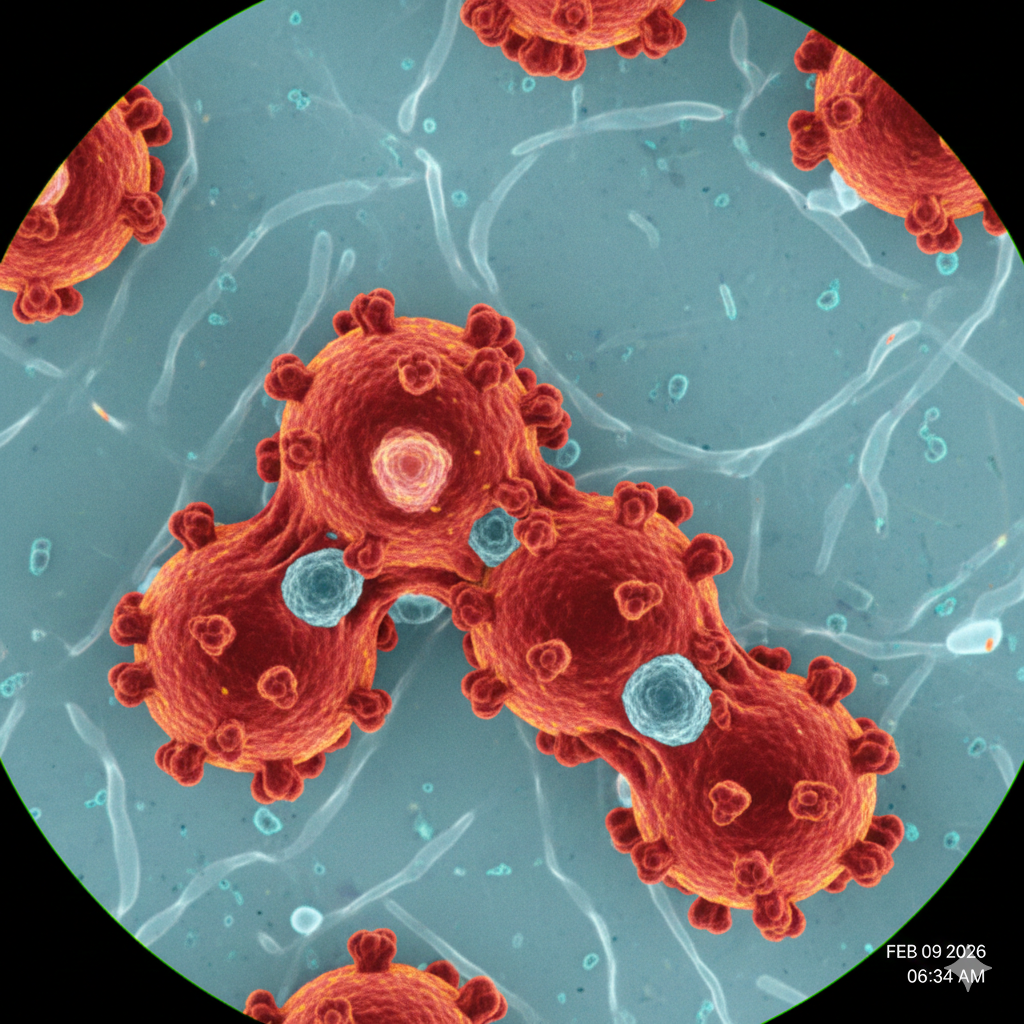
How HIV Develops in the Human Body (Pathophysiology of HIV)
After HIV enters the human body, it begins a complex process of infection and replication. The virus primarily targets CD4 T-lymphocytes, which are white blood cells responsible for coordinating immune responses.
Entry of HIV into the Body
HIV enters the body through mucous membranes, damaged tissue, or direct injection into the bloodstream. Once inside, the virus binds to the CD4 receptor and co-receptors (CCR5 or CXCR4) on the surface of immune cells.
Viral Replication Process
The replication cycle of HIV includes several steps:
- Attachment – HIV attaches to the CD4 cell.
- Fusion – The viral membrane fuses with the host cell membrane.
- Reverse Transcription – Viral RNA is converted into DNA using reverse transcriptase.
- Integration – Viral DNA integrates into the host cell’s DNA.
- Replication – The host cell produces new viral proteins.
- Budding – New HIV particles leave the cell and infect other cells.
Over time, this continuous destruction of CD4 cells weakens the immune system, increasing susceptibility to infections and cancers.
Why HIV is Dangerous
HIV itself does not usually cause death directly. Instead, it destroys immune defenses, allowing opportunistic infections such as tuberculosis, pneumonia, and certain cancers to develop.
Without treatment:
- CD4 cell counts steadily decline
- The body loses its ability to fight infections
- Minor illnesses become life-threatening
How to Prevent HIV Infection (HIV Prevention Methods)
Preventing HIV involves a combination of behavioral, medical, and social strategies.
Safe Sexual Behavior
- Consistent and correct use of condoms
- Limiting the number of sexual partners
- Regular HIV and STI testing
Medical Prevention Methods
Pre-Exposure Prophylaxis (PrEP)
PrEP is a daily pill taken by HIV-negative individuals to prevent infection. When used correctly, it reduces the risk of sexual transmission by over 99%.
Post-Exposure Prophylaxis (PEP)
PEP must be taken within 72 hours after possible exposure. It involves a 28-day course of antiretroviral medicines.
Prevention Among Drug Users
- Use of sterile needles and syringes
- Needle exchange programs
- Drug rehabilitation and education
Prevention of Mother-to-Child Transmission
- ART during pregnancy
- Safe delivery practices
- Avoiding breastfeeding if safe alternatives are available
HIV Treatment and Medicines (Antiretroviral Therapy – ART)
Although HIV has no complete cure, ART allows people to live normal lives.
What is ART?
ART is a combination of drugs that:
- Suppress viral replication
- Restore immune function
- Prevent HIV progression
Types of Antiretroviral Drugs
- Nucleoside Reverse Transcriptase Inhibitors (NRTIs)
Block reverse transcription. - Non-Nucleoside Reverse Transcriptase Inhibitors (NNRTIs)
Inhibit viral enzyme activity. - Protease Inhibitors (PIs)
Prevent viral maturation. - Integrase Strand Transfer Inhibitors (INSTIs)
Block viral DNA integration. - Entry and Fusion Inhibitors
Prevent HIV from entering cells.
Modern ART regimens usually combine drugs from different classes to maximize effectiveness.
Can HIV Be Cured?
Currently, there is no complete cure for HIV. However, there are two important concepts:
Functional Cure
The virus is controlled without continuous treatment. Some individuals known as “elite controllers” can naturally suppress HIV.
Sterilizing Cure
Complete elimination of HIV from the body. This remains the ultimate goal of HIV research.
Current Research Directions
- Gene editing technologies (CRISPR)
- HIV vaccines
- Long-acting injectable ART
- Immune-based therapies
How HIV Can Be Controlled and Eliminated Globally
Global HIV control depends on:
- Early testing and diagnosis
- Universal access to ART
- Public education and awareness
- Reducing stigma and discrimination
The UNAIDS 95-95-95 targets aim to ensure:
- 95% of people with HIV know their status
- 95% receive treatment
- 95% achieve viral suppression
Psychological and Social Impact of HIV
Living with HIV can cause:
- Depression and anxiety
- Social isolation
- Fear of discrimination
Support systems, counseling, and community education are essential for mental well-being.
Ethical and Legal Aspects of HIV
Governments play a key role in:
- Protecting patient confidentiality
- Preventing discrimination
- Ensuring equal access to healthcare
Strong legal frameworks improve HIV outcomes and social acceptance.
Conclusion (Extended)
HIV remains a major global health issue, but it is no longer a death sentence. Scientific progress has provided effective prevention methods and life-saving treatments. Education, awareness, and compassion are crucial in reducing the spread of HIV and improving the quality of life for those affected.
With continued research, global cooperation, and social responsibility, the goal of ending the HIV epidemic is achievable.
Human Immunodeficiency Virus (HIV): Causes, Prevention, Treatment, and Global Awareness
Introduction
Human Immunodeficiency Virus (HIV) is a serious infectious disease that attacks the human immune system, specifically CD4 cells, which are essential for fighting infections. Without proper treatment, HIV can progress to Acquired Immunodeficiency Syndrome (AIDS), the most advanced and life-threatening stage of the infection. Despite decades of research, HIV remains a global public health challenge, affecting millions of people worldwide.
Understanding HIV, how it spreads, how it can be prevented, and how it is treated is essential for reducing new infections and improving the quality of life of people living with HIV.
What is HIV?
HIV is a retrovirus that weakens the immune system by destroying CD4 T cells. As the immune system becomes weaker, the body loses its ability to defend itself against common infections and certain cancers. HIV is mainly transmitted through blood, semen, vaginal fluids, rectal fluids, and breast milk.
For a general understanding of health and disease prevention, you can explore trusted health information at
👉 https://healthguideme.com/
How HIV Affects the Immune System
Once HIV enters the body, it attaches to CD4 cells and uses them to replicate. Over time, this continuous replication reduces the number of healthy immune cells. When CD4 levels fall below a critical point, the person becomes vulnerable to opportunistic infections such as tuberculosis, pneumonia, and fungal infections.
A healthy immune system depends on proper nutrition and gut health. Maintaining adequate vitamin levels, such as Vitamin B12, can support overall immune function. Learn more at
👉 https://healthguideme.com/vitamin-b12-benefits-deficiency-foods/
HIV Transmission
HIV is transmitted through:
- Unprotected sexual contact
- Sharing contaminated needles or syringes
- Mother-to-child transmission during pregnancy, childbirth, or breastfeeding
- Transfusion of infected blood (rare in countries with proper screening)
HIV is not spread through casual contact such as hugging, sharing food, or mosquito bites.
For scientifically accurate global information on HIV transmission, refer to the World Health Organization (WHO):
👉 https://www.who.int/health-topics/hiv-aids
Symptoms of HIV
Early Stage Symptoms
- Fever
- Fatigue
- Sore throat
- Swollen lymph nodes
Chronic Stage
Many people experience no symptoms for years, which makes regular HIV testing extremely important.
Advanced Stage (AIDS)
- Rapid weight loss
- Persistent fever
- Chronic diarrhea
- Severe infections
More detailed medical explanations on HIV symptoms and progression are available from the Centers for Disease Control and Prevention (CDC):
👉 https://www.cdc.gov/hiv
Prevention of HIV
HIV prevention involves behavioral, medical, and social strategies:
- Consistent and correct condom use
- Regular HIV testing
- Pre-Exposure Prophylaxis (PrEP)
- Avoiding shared needles
- Proper medical care during pregnancy
Strong immune health and gut balance also play an important role in overall disease resistance. The role of probiotics in maintaining gut health and immune support is explained here:
👉 https://healthguideme.com/probiotics-benefits-gut-health/
Global prevention strategies and awareness programs are strongly supported by UNAIDS:
👉 https://www.unaids.org/
HIV Treatment (Antiretroviral Therapy – ART)
Although there is no complete cure for HIV, Antiretroviral Therapy (ART) allows people living with HIV to lead long and healthy lives. ART works by reducing the viral load in the body, increasing CD4 cell counts, and preventing progression to AIDS.
When taken consistently:
- HIV becomes a manageable chronic condition
- Life expectancy becomes near normal
- Risk of transmission becomes extremely low
According to WHO, people with an undetectable viral load cannot transmit HIV to others (U=U concept).
Living with HIV
With proper treatment, nutrition, and mental health support, people living with HIV can:
- Work and study normally
- Maintain healthy relationships
- Have HIV-negative children
- Live long and productive lives
Education and social acceptance are key factors in improving the quality of life of people affected by HIV.
Global HIV Awareness and Education
Global organizations continue to fight HIV through education, early testing, and equal access to treatment. Ending stigma and discrimination is just as important as medical treatment. Accurate health education saves lives and strengthens communities.
Conclusion
Human Immunodeficiency Virus (HIV) remains a serious global health issue, but modern medicine has transformed it into a controllable condition. Through education, prevention strategies, early diagnosis, and effective treatment, the spread of HIV can be reduced significantly. Access to reliable health information, strong healthcare systems, and global cooperation are essential to achieving a future free from HIV.
Human Immunodeficiency Virus (HIV) is a virus that attacks the immune system, targeting CD4 cells and weakening the body’s ability to fight infections. People living with Human Immunodeficiency Virus (HIV) can manage the disease with antiretroviral therapy, but without treatment, HIV can progress to AIDS. Awareness of how Human Immunodeficiency Virus (HIV) spreads, its symptoms, and preventive measures is essential for everyone. Educating the public about Human Immunodeficiency Virus (HIV) helps reduce new infections and promotes early testing and treatment, improving the overall quality of life for affected individuals.