Heart Disease Risk Factors: A Comprehensive Guide to Understanding and Prevention
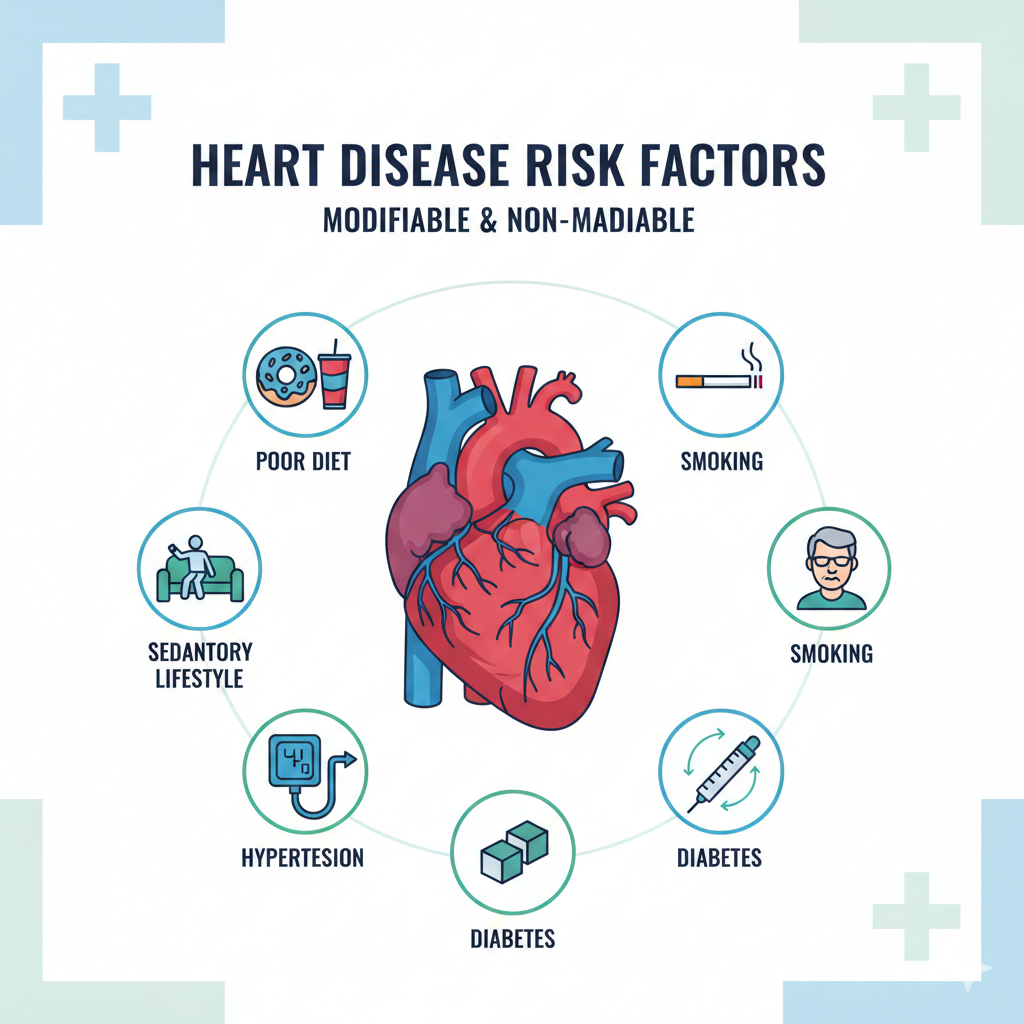
Heart disease remains one of the leading causes of death worldwide. According to the World Health Organization (WHO), cardiovascular diseases account for millions of deaths each year, making prevention and awareness critically important. Understanding heart disease risk factors can empower individuals to make informed lifestyle choices and reduce their chances of developing serious cardiovascular conditions.
This in-depth guide explores the major heart disease risk factors, including lifestyle habits, medical conditions, genetic influences, and environmental contributors. It also provides practical strategies for prevention and long-term heart health.
What Is Heart Disease?
Heart disease, also known as cardiovascular disease (CVD), refers to a group of conditions affecting the heart and blood vessels. These include:
- Coronary artery disease
- Heart failure
- Arrhythmias
- Heart valve problems
- Congenital heart defects
- Peripheral artery disease
The most common type is coronary artery disease (CAD), which occurs when plaque builds up inside the coronary arteries, restricting blood flow to the heart muscle. This process, known as atherosclerosis, increases the risk of heart attacks and strokes.
Major Heart Disease Risk Factors
Heart disease risk factors are generally divided into two categories:
- Non-modifiable risk factors (cannot be changed)
- Modifiable risk factors (can be controlled or prevented)
Understanding both categories is essential for effective prevention.
Non-Modifiable Risk Factors
1. Age
The risk of heart disease increases with age. As people grow older, arteries may stiffen, and plaque buildup becomes more likely. Men over 45 and women over 55 are at higher risk.
2. Gender
Men generally have a higher risk of developing heart disease earlier in life. However, after menopause, women’s risk increases significantly and may become comparable to men’s.
3. Family History
A family history of heart disease significantly raises risk. If a close relative experienced heart disease at an early age (before 55 in men, 65 in women), your likelihood of developing cardiovascular problems increases.
4. Genetic Factors
Certain inherited conditions such as familial hypercholesterolemia cause high cholesterol levels from a young age, greatly increasing heart disease risk.
Modifiable Heart Disease Risk Factors
The majority of heart disease risk factors are preventable or manageable through lifestyle changes and medical care.
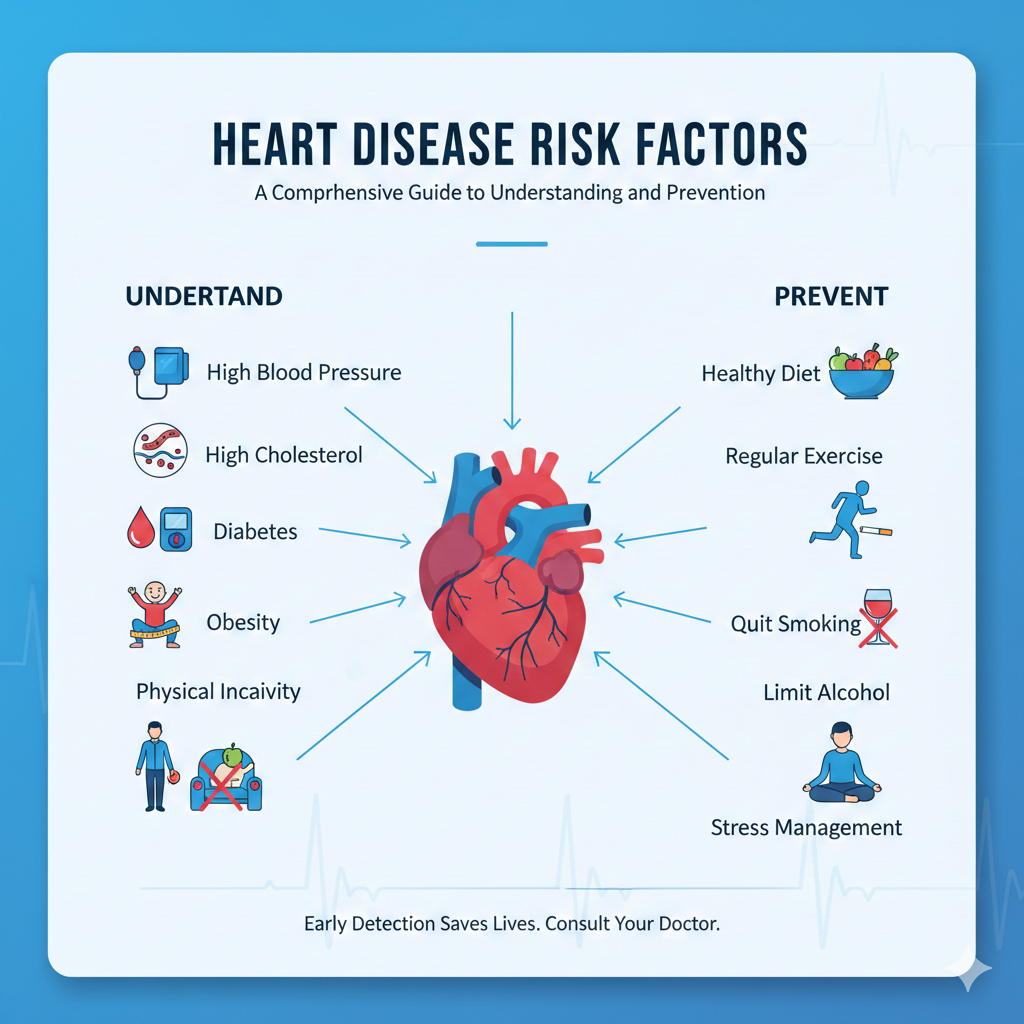
1. High Blood Pressure (Hypertension)
High blood pressure forces the heart to work harder, damaging arteries over time. According to the American Heart Association, hypertension is often called the “silent killer” because it usually has no symptoms.
Why it matters:
- Damages artery walls
- Increases risk of heart attack and stroke
- Contributes to heart failure
Prevention strategies:
- Reduce salt intake
- Exercise regularly
- Maintain a healthy weight
- Manage stress
2. High Cholesterol
Cholesterol is a fatty substance in the blood. While the body needs some cholesterol, high levels—especially LDL (“bad” cholesterol)—can lead to plaque buildup in arteries.
Types of cholesterol:
- LDL (low-density lipoprotein) – harmful in excess
- HDL (high-density lipoprotein) – protective
- Triglycerides – another type of fat in the blood
High cholesterol often develops due to poor diet, lack of exercise, and genetic predisposition.
3. Smoking
Smoking is one of the most dangerous heart disease risk factors. It damages blood vessels, lowers oxygen in the blood, and increases blood pressure.
Effects of smoking:
- Narrows arteries
- Increases clot formation
- Raises heart rate
- Reduces HDL cholesterol
Even secondhand smoke increases cardiovascular risk. Quitting smoking significantly reduces heart disease risk within a few years.
4. Diabetes
People with diabetes are at higher risk of heart disease. High blood sugar levels damage blood vessels and nerves controlling the heart.
Key concerns:
- Increased risk of coronary artery disease
- Higher likelihood of heart attack
- Silent heart attacks more common
Managing blood sugar levels effectively can dramatically reduce risk.
5. Obesity and Overweight
Excess body weight increases strain on the heart and contributes to high blood pressure, diabetes, and abnormal cholesterol levels.
Abdominal obesity (fat around the waist) is particularly dangerous. Waist circumference is often used as an indicator of cardiovascular risk.
6. Physical Inactivity
A sedentary lifestyle increases the risk of obesity, high blood pressure, and poor cholesterol levels.
Regular physical activity:
- Strengthens the heart muscle
- Improves circulation
- Helps control weight
- Reduces stress
Adults should aim for at least 150 minutes of moderate-intensity exercise per week.
7. Unhealthy Diet
A diet high in saturated fats, trans fats, sugar, and sodium significantly increases heart disease risk.
Risky dietary patterns include:
- Frequent fast food consumption
- High intake of processed foods
- Excessive sugary drinks
- Low fruit and vegetable intake
Heart-healthy diets emphasize:
- Whole grains
- Fruits and vegetables
- Lean proteins
- Healthy fats (like olive oil and nuts)
8. Excessive Alcohol Consumption
Moderate alcohol intake may have limited benefits for some individuals, but excessive drinking increases blood pressure and triglycerides.
Heavy alcohol use:
- Weakens heart muscle
- Increases risk of arrhythmias
- Raises blood pressure
9. Chronic Stress
Long-term stress contributes to inflammation, high blood pressure, and unhealthy coping behaviors such as overeating or smoking.
Stress hormones like cortisol may negatively affect heart health over time.
10. Poor Sleep
Sleep disorders such as insomnia and sleep apnea increase cardiovascular risk. Sleep apnea, in particular, reduces oxygen levels during sleep, stressing the heart.
Adults should aim for 7–9 hours of quality sleep per night.
Emerging and Additional Risk Factors
Recent research highlights additional contributors to heart disease:
- Chronic inflammation
- Air pollution
- Autoimmune diseases
- Depression and mental health disorders
Environmental and psychological factors are increasingly recognized as important components of cardiovascular health.
How Risk Factors Interact
Heart disease risk factors rarely exist in isolation. For example:
- Obesity often leads to diabetes and high blood pressure
- Smoking worsens cholesterol levels
- Stress can increase blood pressure and promote unhealthy habits
The more risk factors present, the higher the overall cardiovascular risk.
Preventing Heart Disease
Prevention focuses on reducing modifiable risk factors and managing unavoidable ones.
1. Adopt a Heart-Healthy Diet
Consider dietary approaches such as:
- Mediterranean-style eating
- DASH (Dietary Approaches to Stop Hypertension) diet
Both emphasize whole foods, healthy fats, and reduced sodium.
2. Exercise Regularly
Physical activity improves heart efficiency and reduces risk factors. Include:
- Aerobic exercise (walking, cycling, swimming)
- Strength training
- Flexibility exercises
3. Maintain a Healthy Weight
Even modest weight loss (5–10% of body weight) can significantly reduce heart disease risk factors.
4. Stop Smoking
Quitting smoking is one of the most powerful preventive steps. Support options include:
- Counseling
- Nicotine replacement therapy
- Prescription medications
5. Control Blood Pressure and Cholesterol
Regular check-ups and medical guidance are essential. Medications may be required in some cases.
6. Manage Diabetes Effectively
Maintain stable blood sugar levels through:
- Diet
- Medication
- Physical activity
- Regular monitoring
7. Reduce Stress
Healthy stress management techniques include:
- Meditation
- Deep breathing
- Yoga
- Social support
- Time management
8. Get Regular Health Screenings
Routine screenings help detect problems early, even before symptoms appear.
Key tests include:
- Blood pressure measurement
- Cholesterol testing
- Blood glucose testing
- Body mass index (BMI) assessment
Warning Signs of Heart Disease
While prevention is key, recognizing symptoms is equally important.
Common warning signs include:
- Chest pain or discomfort
- Shortness of breath
- Fatigue
- Dizziness
- Swelling in legs or ankles
- Irregular heartbeat
Immediate medical attention is required if heart attack symptoms occur.
The Importance of Early Prevention
Heart disease often develops silently over decades. Risk factors beginning in childhood or early adulthood can lead to serious complications later in life.
Preventive strategies should start early and continue consistently throughout life.
Conclusion
Heart disease risk factors are numerous, but many are controllable. By understanding the difference between modifiable and non-modifiable risk factors, individuals can take proactive steps to protect their cardiovascular health.
Lifestyle changes—such as healthy eating, regular exercise, quitting smoking, and managing stress—play a powerful role in prevention. Medical screening and professional guidance further enhance long-term heart health.
With awareness, commitment, and consistent action, heart disease can often be prevented or significantly delayed. Protecting your heart today ensures a healthier and more active future.

The Role of Inflammation in Heart Disease Risk
Inflammation plays a critical but often overlooked role in heart disease risk factors. While inflammation is the body’s natural defense mechanism against injury or infection, chronic inflammation can damage blood vessels and contribute to the development of atherosclerosis.
When arteries become inflamed, they are more likely to accumulate plaque. Over time, this plaque hardens and narrows the arteries, increasing the risk of heart attack and stroke.
Common causes of chronic inflammation include:
- Obesity
- Smoking
- Poor diet
- Chronic stress
- Autoimmune disorders
Recent studies show that high levels of C-reactive protein (CRP), a marker of inflammation in the blood, are associated with an increased risk of cardiovascular events.
Reducing inflammation through a healthy diet rich in antioxidants, regular physical activity, adequate sleep, and stress management can significantly improve heart health.
Socioeconomic and Environmental Risk Factors
Heart disease risk factors are not limited to personal habits or genetics. Social and environmental conditions also influence cardiovascular health.
1. Air Pollution
Long-term exposure to polluted air increases the risk of heart disease. Tiny particles in polluted air can enter the bloodstream and cause inflammation and blood vessel damage.
Urban populations and individuals living near busy roads or industrial areas are particularly vulnerable.
2. Low Socioeconomic Status
Limited access to healthcare, healthy food options, and safe spaces for exercise increases heart disease risk. Financial stress and unstable living conditions also contribute to chronic stress, which negatively impacts heart health.
3. Limited Healthcare Access
Delayed diagnosis and untreated conditions such as hypertension and diabetes significantly increase cardiovascular risk.
Addressing these broader determinants is essential for reducing heart disease globally.
Gender Differences in Heart Disease Risk Factors
Although heart disease has often been viewed as a “male problem,” it is also a leading cause of death in women.
Women may experience different symptoms than men, including:
- Nausea
- Back pain
- Jaw pain
- Extreme fatigue
Hormonal changes during menopause increase heart disease risk factors in women. Lower estrogen levels may contribute to increased cholesterol and blood pressure levels.
Awareness of gender-specific symptoms improves early detection and treatment outcomes.
Heart Disease Risk Factors in Young Adults
Heart disease is not limited to older adults. Increasing rates of obesity, diabetes, and sedentary lifestyles have led to rising cardiovascular risk in younger populations.
Young adults often underestimate their risk because symptoms may not appear until significant damage has occurred.
Key early-life risk factors include:
- Poor dietary habits
- Physical inactivity
- Smoking or vaping
- High stress levels
- Excessive screen time
Preventive education during adolescence and early adulthood is critical for long-term heart health.
The Impact of Mental Health on Heart Disease
Mental health plays a major role in heart disease risk factors. Conditions such as depression and anxiety increase inflammation and may lead to unhealthy coping behaviors.
Individuals with chronic depression are more likely to:
- Smoke
- Overeat
- Avoid exercise
- Neglect medical care
Managing mental health through therapy, social support, mindfulness practices, and medical treatment improves both psychological well-being and cardiovascular outcomes.
Workplace and Lifestyle Patterns
Modern lifestyles contribute significantly to heart disease risk factors.
Sedentary Jobs
Long hours of sitting reduce circulation and contribute to obesity and metabolic disorders.
Shift Work
Irregular sleep cycles disrupt hormones that regulate blood pressure, blood sugar, and appetite.
High-Pressure Work Environments
Chronic job stress can elevate blood pressure and increase cortisol levels.
Employers can reduce heart disease risk by promoting wellness programs, encouraging movement breaks, and supporting work-life balance.
Technological Advances in Risk Assessment
Medical technology continues to improve the identification of heart disease risk factors.
Modern screening tools include:
- Coronary calcium scoring
- Advanced lipid panels
- Genetic testing
- Wearable heart monitors
These technologies help identify high-risk individuals earlier, allowing for targeted intervention.
Building a Heart-Healthy Community
Preventing heart disease requires collective action.
Communities can support heart health by:
- Creating safe walking and cycling paths
- Promoting healthy school meals
- Implementing anti-smoking campaigns
- Improving access to healthcare
Global initiatives led by organizations such as the World Heart Federation aim to reduce cardiovascular mortality through awareness and policy change.
Final Thoughts on Reducing Heart Disease Risk Factors
Heart disease risk factors are complex and interconnected. While genetics and age cannot be changed, lifestyle choices play a powerful role in shaping long-term cardiovascular health.
Small daily improvements — choosing healthier foods, moving more, sleeping better, and managing stress — can lead to substantial long-term benefits.
Prevention is not about perfection; it is about consistent, sustainable habits that protect your heart over time.
What are the biggest heart disease risk factors?
The biggest heart disease risk factors include high blood pressure, high cholesterol, smoking, diabetes, obesity, and physical inactivity.
Can heart disease risk factors be reversed?
Yes, many heart disease risk factors such as high blood pressure, obesity, and high cholesterol can be controlled or improved with lifestyle changes and medical treatment.
Is heart disease genetic?
Genetics play a role, but lifestyle habits significantly influence overall heart disease risk factors.
At what age does heart disease risk increase?
Heart disease risk increases after age 45 in men and 55 in women, but unhealthy habits can raise risk earlier.
Understanding heart disease risk factors is essential for protecting long-term cardiovascular health. Many people focus only on symptoms, but prevention begins by identifying and managing the underlying causes that increase the risk of heart attacks and other serious conditions. While genetics and age play a role, lifestyle habits, metabolic health, and even hormonal balance can significantly influence heart disease risk factors.
High blood pressure, high cholesterol, smoking, diabetes, obesity, and physical inactivity are among the most common heart disease risk factors. These conditions often develop silently over time, gradually damaging blood vessels and increasing strain on the heart. Poor dietary choices, especially diets high in processed foods, sugar, and unhealthy fats, further worsen cardiovascular risk.
However, heart health is not isolated from the rest of the body. Digestive issues and lifestyle patterns are closely connected to overall wellness. For example, unhealthy eating habits that trigger digestive discomfort can also contribute to weight gain and metabolic problems. If you want to better understand common digestive concerns that may be related to lifestyle imbalance, you can read our detailed guide on Acidity vs Gas: What’s the Difference?
Managing heart disease risk factors requires a comprehensive approach. Regular exercise strengthens the heart muscle, improves blood circulation, and helps regulate cholesterol and blood sugar levels. Even moderate physical activity such as brisk walking for 30 minutes a day can significantly reduce cardiovascular risk. Stress management is equally important, as chronic stress increases blood pressure and inflammation in the body.
Women should also pay special attention to hormonal health, as metabolic and hormonal changes can influence heart disease risk factors. Conditions linked to irregular cycles may be associated with weight fluctuations and insulin resistance, both of which increase cardiovascular risk. To learn more about hormonal health and its impact on overall well-being, read our article on Irregular Periods: Reasons and Causes
In addition to lifestyle changes, routine health screenings are crucial. Monitoring blood pressure, cholesterol levels, and blood glucose allows early detection of heart disease risk factors before complications develop. Preventive healthcare is far more effective than emergency treatment after a heart attack occurs.
Building heart-healthy habits does not require drastic changes overnight. Small consistent improvements — eating balanced meals, reducing salt intake, staying active, improving sleep quality, and quitting smoking — can dramatically lower heart disease risk factors over time. Education and awareness are powerful tools in preventing cardiovascular disease.
For more practical health tips, prevention strategies, and evidence-based wellness guides, visit our main resource hub at Health Guide Me
By understanding how heart disease risk factors develop and taking proactive steps to manage them, individuals can significantly reduce their chances of serious cardiovascular complications and enjoy a healthier, longer life.
World Health Organization – Cardiovascular Diseases
https://www.who.int/health-topics/cardiovascular-diseases
American Heart Association – Heart Disease Risk Factors
https://www.heart.org/en/health-topics/consumer-healthcare/what-is-cardiovascular-disease
Centers for Disease Control and Prevention – Heart Disease
https://www.cdc.gov/heartdisease/index.htm
Mayo Clinic – Heart Disease
https://www.mayoclinic.org/diseases-conditions/heart-disease/symptoms-causes/syc-20353118
WebMD – Heart Disease Risk Factors
https://www.webmd.com/heart-disease/guide/heart-disease-risk-factors