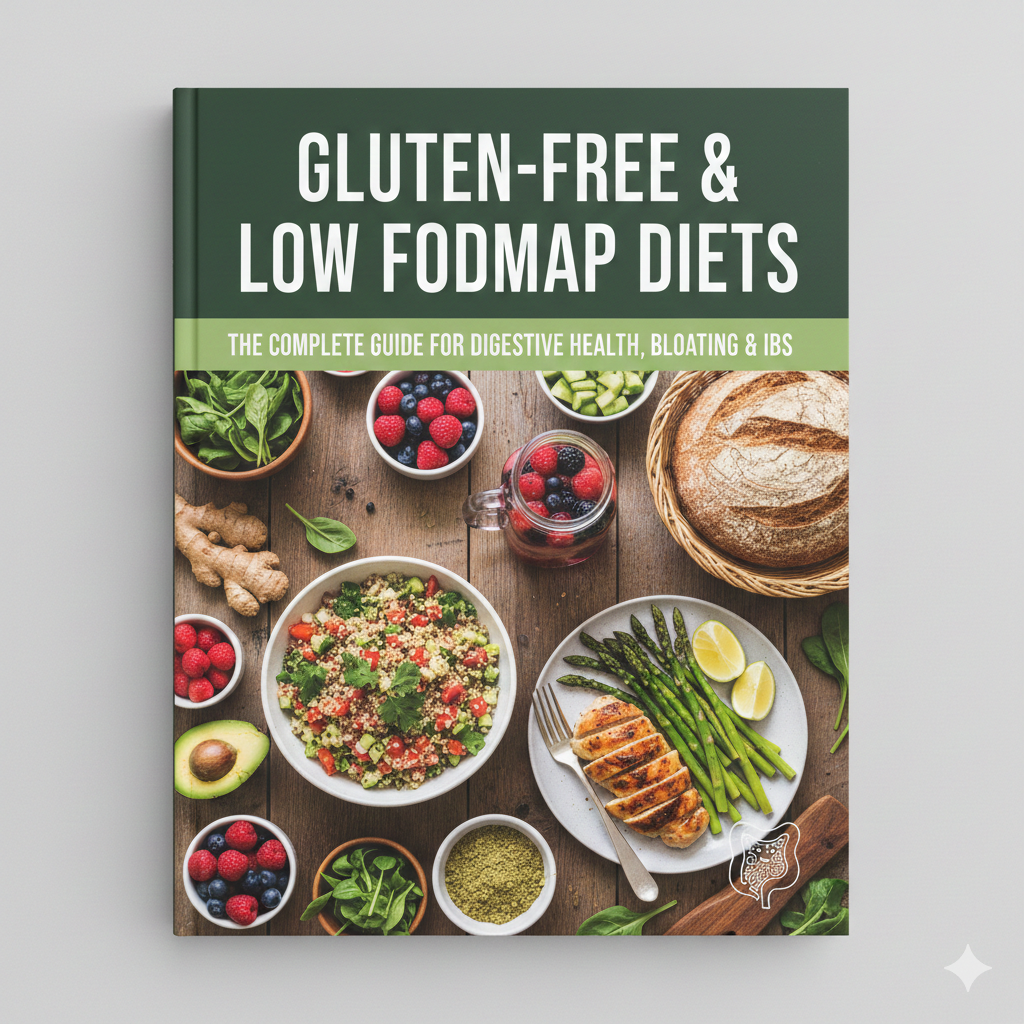
Gluten-Free meals & Low FODMAP Diets: The Complete Guide for Digestive Health, Bloating & IBS
Gluten-Free Meals are essential for anyone looking to improve digestion, reduce bloating, or manage IBS. Choosing the right gluten-free meals can make a huge difference in energy, mood, and overall health. This guide provides 15 gluten-free meals, including breakfast, lunch, dinner, and snacks, all designed to be easy, healthy, and family-friendly.
Introduction
Digestive problems such as bloating, gas, diarrhea, constipation, and Irritable Bowel Syndrome (IBS) affect millions worldwide, impacting daily life, mood, and energy. For people struggling with these conditions, finding the right diet can be life-changing.
Two diets have become popular for their proven benefits in managing digestive discomfort:
- Gluten-Free Diets – eliminating gluten, a protein found in wheat, barley, and rye.
- Low FODMAP Diets – restricting fermentable carbohydrates that can cause gas and bloating.
This comprehensive guide explores both approaches, their benefits, foods to include and avoid, practical meal plans, recipes, lifestyle tips, and scientific evidence to help you manage digestive issues effectively.
Understanding Digestive Issues
Common Digestive Problems
- Bloating: Abdominal swelling caused by trapped gas or slow digestion.
- Excess Gas: Flatulence or belching from fermenting foods.
- IBS: Chronic disorder affecting the large intestine with abdominal pain, diarrhea, constipation, or bloating.
Causes of Digestive Discomfort
- Food Intolerances: Gluten, lactose, and high-FODMAP foods.
- Gut Microbiome Imbalance: Overgrowth of harmful bacteria increases fermentation.
- Eating Habits: Eating too quickly, not chewing properly, carbonated drinks.
- Stress & Lifestyle: Anxiety can slow digestion and worsen bloating.
Why Diet Matters
A well-planned diet can reduce triggers, balance gut microbiome, and improve nutrient absorption. Eliminating foods that irritate the gut while including nutrient-dense, low-irritant foods can dramatically improve symptoms.
What are FODMAPs?
What is Gluten?
Gluten is a protein in wheat, barley, rye, and triticale. While safe for most, it can trigger digestive issues and inflammation in sensitive individuals or those with celiac disease.
Foods to Avoid
- Wheat, barley, rye, triticale
- Bread, pasta, pastries, cereals containing gluten
- Sauces, soups, processed foods with hidden gluten
Foods to Include
- Gluten-free grains: rice, quinoa, buckwheat, millet
- Gluten-free oats
- Vegetables, fruits, legumes (if tolerated)
- Nuts, seeds, dairy alternatives
Benefits for Digestive Health
- Reduces bloating, gas, and abdominal discomfort
- Supports IBS symptom management
- Improves nutrient absorption in sensitive individuals
Tips for Starting
- Read labels carefully
- Choose whole foods
- Avoid cross-contamination
- Supplement B vitamins and fiber if needed
Low FODMAP Diet
FODMAPs are fermentable carbohydrates poorly absorbed in the small intestine. They ferment in the gut, producing gas and bloating.
High-FODMAP Foods to Avoid
- Fruits: apples, pears, mangoes
- Vegetables: cauliflower, onion, garlic
- Dairy: milk, soft cheese
- Wheat-based foods
Low-FODMAP Foods to Include
- Fruits: bananas, blueberries, strawberries
- Vegetables: carrots, zucchini, spinach
- Lactose-free dairy or plant-based milk
- Gluten-free grains: rice, oats, quinoa
Benefits
- Reduces gas production and bloating
- Alleviates diarrhea and constipation in IBS
- Helps identify personal trigger foods
How to Start
- Elimination Phase (4–6 weeks): Avoid high-FODMAP foods completely.
- Reintroduction Phase: Gradually reintroduce foods to identify tolerance.
- Maintenance Phase: Maintain a customized low-FODMAP diet for long-term relief.
Combining Gluten-Free & Low FODMAP Diets
Benefits
- Reduces symptoms for those sensitive to both gluten and FODMAPs
- Supports gut microbiome health
- Improves overall digestive comfort
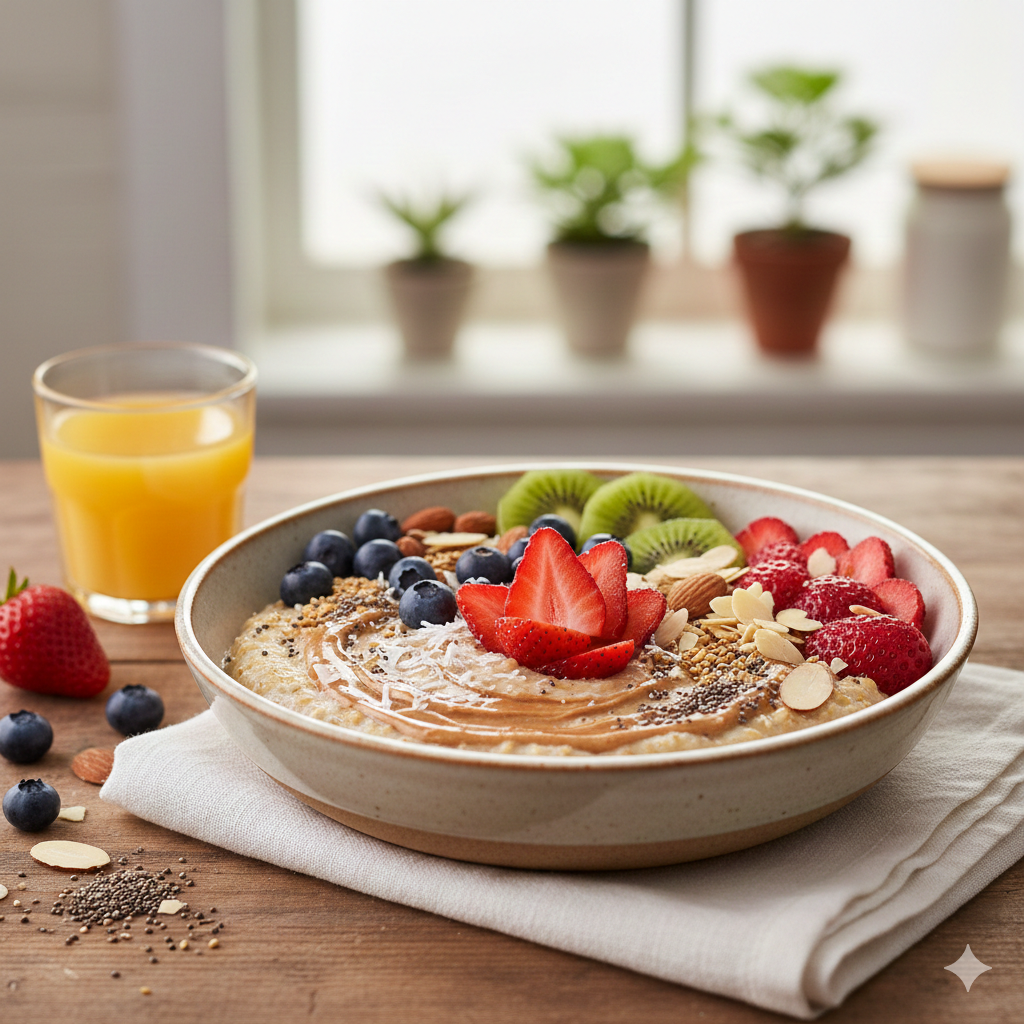
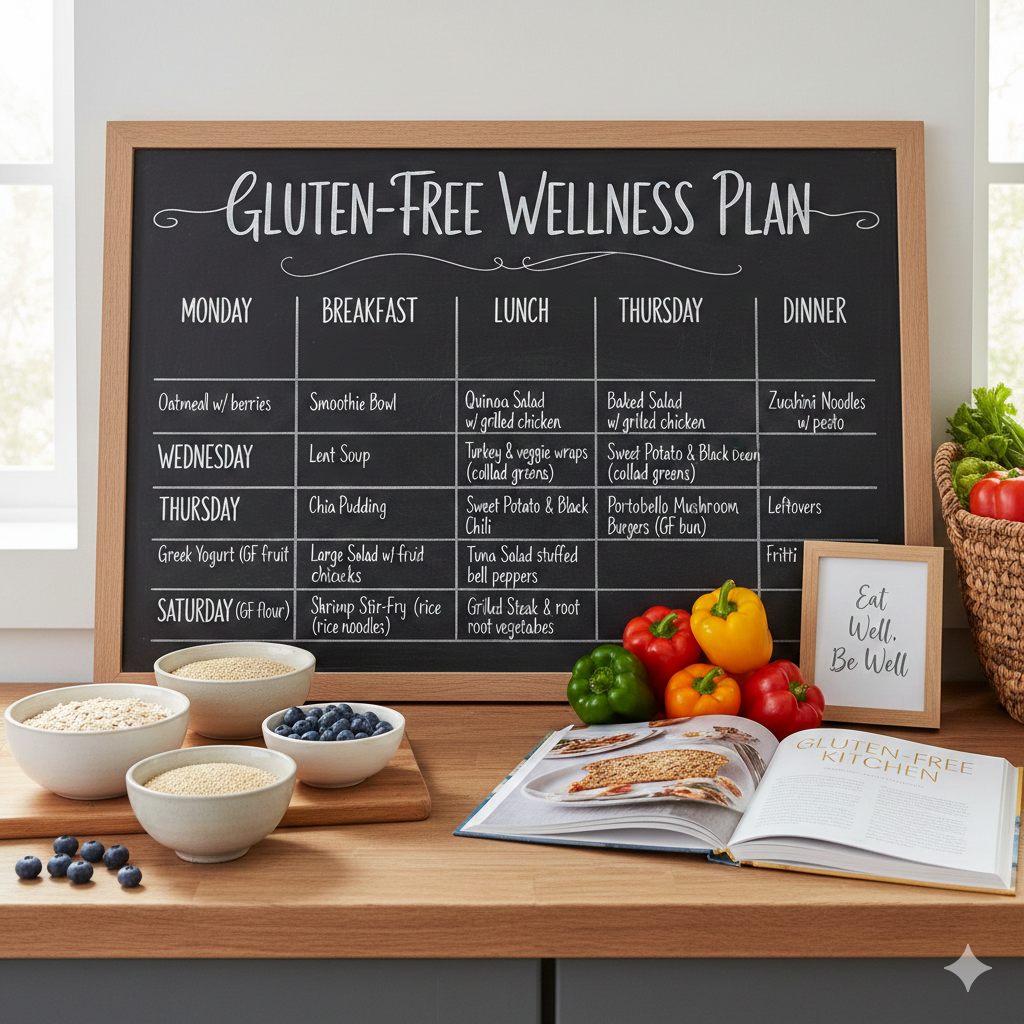
Sample Meal Plan
Breakfast: Gluten-free oats with blueberries and almond milk
Snack: Low-FODMAP fruits like kiwi
Lunch: Quinoa salad with zucchini, carrots, spinach
Snack: Rice cakes with peanut butter
Dinner: Grilled tofu with roasted carrots and pumpkin
Recipes
Zucchini & Carrot Fritters
- Ingredients: grated zucchini, grated carrot, gluten-free flour, egg, olive oil
- Method: Mix, shape patties, pan-fry until golden
- Serve with lactose-free yogurt
Berry Smoothie
- Ingredients: strawberries, blueberries, lactose-free yogurt, chia seeds
- Blend until smooth
Quinoa & Veggie Bowl
- Method: Toss all ingredients and serve fresh
- Ingredients: cooked quinoa, spinach, zucchini, carrots, olive oil, lemon
Lifestyle & Gut Health Tips
Hydration & Exercise
- Drink at least 8 glasses of water daily
- Include daily light to moderate exercise to support digestion
Stress Management
- Meditation, yoga, deep breathing exercises
- Avoid stress-related digestive flare-ups
Probiotics & Prebiotics
- Probiotics: Lactose-free yogurt, fermented vegetables
- Prebiotics: Spinach, pumpkin, seeds
Food Diary
- Track meals and symptoms to identify triggers
- Helps optimize diet for long-term digestive health
Advanced Tips
- Rotate gluten-free grains to prevent nutrient deficiencies
- Pair prebiotics and probiotics for gut microbiome support
- Avoid over-restricting foods to prevent malnutrition
- Consult dietitian for complex cases or severe IBS
Scientific Evidence
- Studies show gluten-free diets reduce IBS and bloating in gluten-sensitive individuals
- Low FODMAP diet reduces symptoms in 70% of IBS patients
- Combining both diets is increasingly recommended for overlapping sensitivities
Common Mistakes
- Cutting out too many foods unnecessarily
- Ignoring essential nutrients (protein, vitamins, minerals)
- Not consulting professionals for personalized guidance
Conclusion
Adopting a gluten-free and low FODMAP diet can transform digestive health, reduce bloating, and manage IBS symptoms. By planning meals carefully, identifying triggers, and following lifestyle tips, long-term gut health and overall well-being are achievable.
Next Steps:
- Start with elimination phases
- Explore recipes and meal plans
- Track symptoms and refine diet for best results
Gluten-Free Meals: Complete Guide with Recipes, Meal Plans & Tips
Introduction
Gluten-free meals are essential for people with gluten intolerance, celiac disease, or digestive sensitivities. Eliminating gluten from your diet doesn’t mean sacrificing taste or variety. With careful planning and creativity, gluten-free meals can be nutritious, satisfying, and delicious.
This guide will provide:
- Easy gluten-free meal ideas for every occasion
- Recipes for breakfast, lunch, dinner, and snacks
- 7-day sample gluten-free meal plan
- Tips to eat gluten-free safely and deliciously
Why Gluten-Free Meals Matter
Health Benefits
- Reduces bloating, gas, and digestive discomfort
- Prevents celiac disease-related complications
- Supports nutrient absorption and gut health
Who Should Follow a Gluten-Free Diet
- People with celiac disease
- Those with gluten sensitivity
- Individuals with IBS or digestive issues
- People who want to experiment with cleaner, whole foods
Breakfast Ideas
- Gluten-Free Oatmeal Bowl
- Ingredients: Gluten-free oats, almond milk, chia seeds, blueberries
- Method: Cook oats with almond milk, top with berries and seeds
- Quinoa Porridge
- Ingredients: Quinoa, coconut milk, cinnamon, banana slices
- Method: Simmer quinoa in coconut milk, add cinnamon and banana
- Egg & Veggie Muffins
- Ingredients: Eggs, spinach, bell peppers, gluten-free flour
- Method: Mix ingredients, bake in muffin tins until firm
Lunch Ideas
- Gluten-Free Veggie Wrap
- Use gluten-free tortilla, hummus, spinach, cucumber, roasted veggies
- Quinoa & Chickpea Salad
- Ingredients: Quinoa, chickpeas, cherry tomatoes, cucumber, olive oil, lemon juice
- Stuffed Bell Peppers
- Ingredients: Bell peppers, brown rice, lentils, herbs, gluten-free spices
Dinner Ideas
- Grilled Salmon with Roasted Veggies
- Ingredients: Salmon fillets, carrots, zucchini, olive oil, lemon
- Chicken & Vegetable Stir-Fry
- Use tamari instead of soy sauce to make it gluten-free
- Serve with rice or quinoa
- Gluten-Free Pasta Primavera
- Ingredients: Gluten-free pasta, broccoli, zucchini, bell peppers, olive oil, garlic
Snack Ideas
- Rice cakes with peanut butter
- Gluten-free protein bars
- Fruit and nut mix
- Yogurt with gluten-free granola
7-Day Gluten-Free Meal Plan (Sample)
Day 1:
- Breakfast: Oatmeal with berries
- Snack: Banana & almonds
- Lunch: Quinoa salad
- Snack: Yogurt with gluten-free granola
- Dinner: Grilled chicken with roasted vegetables
Day 2:
- Breakfast: Quinoa porridge
- Snack: Rice cakes with avocado
- Lunch: Gluten-free veggie wrap
- Snack: Carrot sticks & hummus
- Dinner: Salmon with sautéed spinach
Day 3:
- Breakfast: Egg & veggie muffins
- Snack: Fruit & nut mix
- Lunch: Chickpea salad
- Snack: Gluten-free protein bar
- Dinner: Chicken stir-fry with rice
(Repeat variations for days 4–7 with different veggies, proteins, and gluten-free grains.)
Tips for Gluten-Free Cooking
- Always check labels for hidden gluten
- Rotate grains: rice, quinoa, millet, buckwheat
- Use gluten-free sauces and condiments
- Experiment with gluten-free flours: almond, coconut, oat
- Meal prep to save time and avoid accidental gluten
Gluten-Free Baking Ideas
- Almond flour muffins
- Coconut flour pancakes
- Gluten-free banana bread
- Brown rice flour cookies
Conclusion
Eating gluten-free doesn’t have to be boring or restrictive. With a variety of meals, snacks, and desserts, you can enjoy delicious, nutritious food every day. By following these tips, meal plans, and recipes, gluten-free eating becomes simple, safe, and enjoyable.
Next Steps:
- Try these recipes for a week
- Experiment with your favorite vegetables and proteins
- Keep exploring new gluten-free ingredients
| # | Meal Name | Type | Quick Description | Internal Link | External Link |
|---|---|---|---|---|---|
| 1 | Gluten-Free Oatmeal Bowl | Breakfast | Oats with almond milk, chia seeds, blueberries | https://healthguideme.com/ | Celiac Disease Foundation |
| 2 | Quinoa Porridge | Breakfast | Quinoa cooked in coconut milk with banana & cinnamon | Healthy Diet Plan | Mayo Clinic – Gluten-Free Diet |
| 3 | Egg & Veggie Muffins | Breakfast | Eggs, spinach, bell peppers, gluten-free flour baked in muffin tins | Gluten-Free Vegetarian Recipes | Monash University – Low FODMAP Diet |
| 4 | Gluten-Free Veggie Wrap | Lunch | Gluten-free tortilla with hummus, spinach, cucumber & roasted veggies | IBS & Digestive Health Tips | Celiac Disease Foundation |
| 5 | Quinoa & Chickpea Salad | Lunch | Quinoa, chickpeas, cherry tomatoes, cucumber, olive oil & lemon | Gut Health Guide | Mayo Clinic – Gluten-Free Diet |
| 6 | Stuffed Bell Peppers | Lunch | Bell peppers stuffed with brown rice, lentils & herbs | Healthy Diet Plan | Monash University – Low FODMAP Diet |
| 7 | Grilled Salmon with Roasted Veggies | Dinner | Salmon fillets with carrots, zucchini & olive oil | Gluten-Free Vegetarian Recipes | Celiac Disease Foundation |
| 8 | Chicken & Vegetable Stir-Fry | Dinner | Tamari-based stir-fry with chicken & vegetables | IBS & Digestive Health Tips | Mayo Clinic – Gluten-Free Diet |
| 9 | Gluten-Free Pasta Primavera | Dinner | Gluten-free pasta with broccoli, zucchini & bell peppers | Gut Health Guide | Monash University – Low FODMAP Diet |
| 10 | Rice Cakes with Peanut Butter | Snack | Crunchy rice cakes with peanut butter | Healthy Diet Plan | Celiac Disease Foundation |
| 11 | Fruit & Nut Mix | Snack | Healthy mix of dried fruits and nuts | Gluten-Free Vegetarian Recipes | Mayo Clinic – Gluten-Free Diet |
| 12 | Gluten-Free Protein Bars | Snack | Homemade protein bars with gluten-free ingredients | IBS & Digestive Health Tips | Monash University – Low FODMAP Diet |
| 13 | Yogurt with Gluten-Free Granola | Snack | Greek yogurt topped with gluten-free granola | Gut Health Guide | Celiac Disease Foundation |
| 14 | Almond Flour Muffins | Dessert | Gluten-free muffins made with almond flour | Healthy Diet Plan | Mayo Clinic – Gluten-Free Diet |
| 15 | Banana Coconut Pancakes | Dessert | Pancakes made with bananas, coconut & gluten-free flour | Gluten-Free Vegetarian Recipes | Monash University – Low FODMAP Diet |
Whether you are looking for quick gluten-free meals for breakfast or hearty gluten-free meals for dinner, these recipes cover all your needs. Preparing healthy gluten-free meals at home is easier than you think.
op 5 Quick Gluten-Free Meals
- Gluten-Free Oatmeal Bowl
- Oats cooked with almond milk, chia seeds, and blueberries.
- Quinoa Porridge
- Quinoa cooked with coconut milk and banana.
- Egg & Veggie Muffins
- Eggs, spinach, bell peppers baked in muffin tins.
- Rice Cakes with Peanut Butter
- A simple snack for energy and fiber.
- Fruit & Nut Mix
- Mix of dried fruits and nuts for healthy snackin
Top Gluten-Free Meals for Breakfast and Lunch
Easy Gluten-Free Meals for IBS and Digestive Health