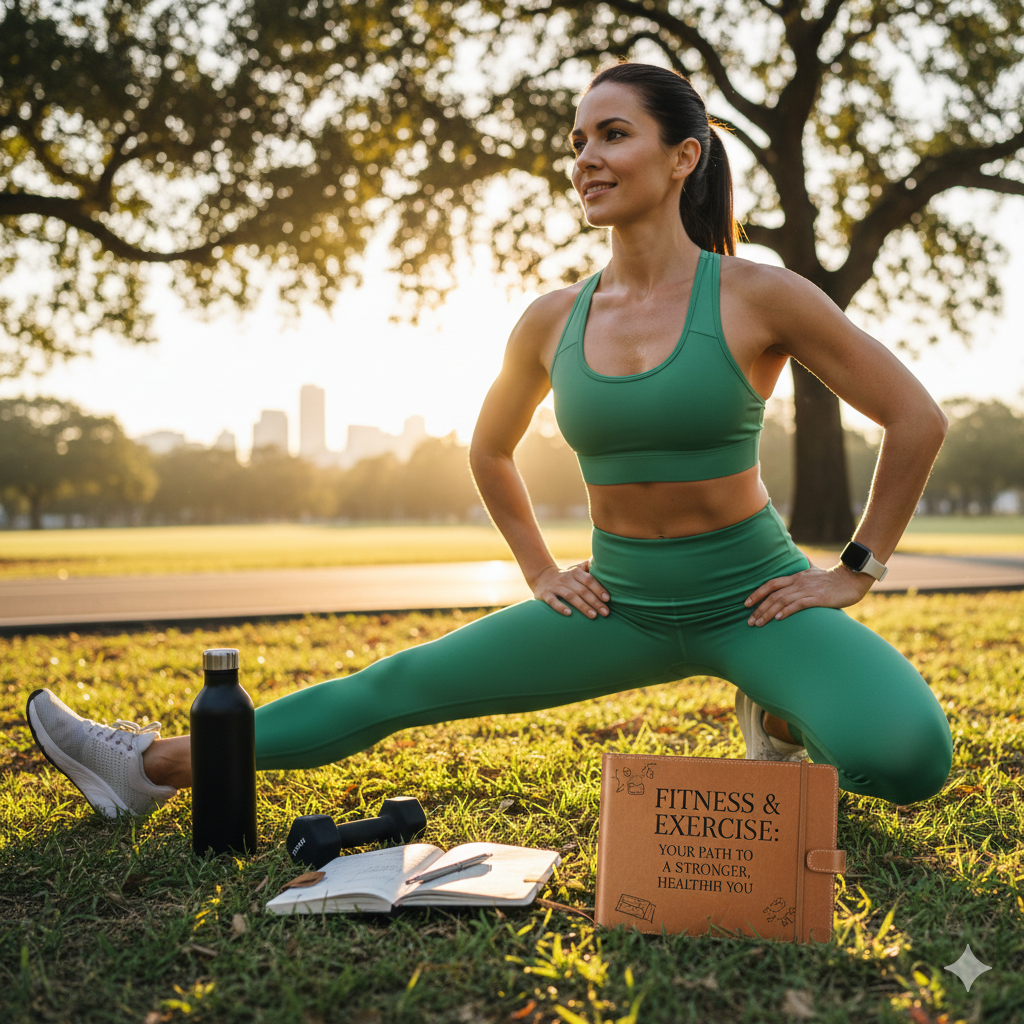
Fitness & Exercise: Your Path to a Stronger, Healthier You

Fitness and exercise are more than just about looking good; they are fundamental to a long, healthy, and vibrant life. Regular physical activity offers a myriad of benefits, from boosting your mood and energy to preventing chronic diseases. Whether you’re a seasoned athlete or just starting, incorporating movement into your daily routine is one of the best investments you can make in yourself.
The Multifaceted Benefits of Exercise
Physical Benefits:
- Heart Health: Strengthens your heart, improves circulation, and reduces the risk of heart disease and stroke.
- Weight Management: Helps burn calories, build muscle, and maintain a healthy body weight.
- Stronger Bones and Muscles: Increases bone density, reduces the risk of osteoporosis, and builds muscle strength and endurance.
- Improved Mobility and Flexibility: Enhances range of motion and reduces the risk of injuries.
- Disease Prevention: Lowers the risk of type 2 diabetes, certain cancers, and other chronic conditions.
Mental and Emotional Benefits:
- Stress Reduction: Releases endorphins, natural mood elevators that can alleviate stress and anxiety.
- Mood Boost: Helps combat symptoms of depression and improves overall mood.
- Better Sleep: Regular exercise can improve sleep quality, helping you fall asleep faster and sleep more soundly.
- Increased Energy: Counterintuitively, exercise boosts your energy levels throughout the day.
- Enhanced Cognitive Function: Improves memory, focus, and overall brain health.
Types of Exercise and How to Incorporate Them
To achieve comprehensive fitness, aim to include a variety of exercise types:
1. Cardiovascular (Aerobic) Exercise:
- What it is: Activities that raise your heart rate and improve your endurance.
- Examples: Brisk walking, running, swimming, cycling, dancing, jumping rope.
- Recommendation: At least 150 minutes of moderate-intensity aerobic activity or 75 minutes of vigorous-intensity activity per week.
2. Strength Training:
- What it is: Exercises that build muscle mass and strength.
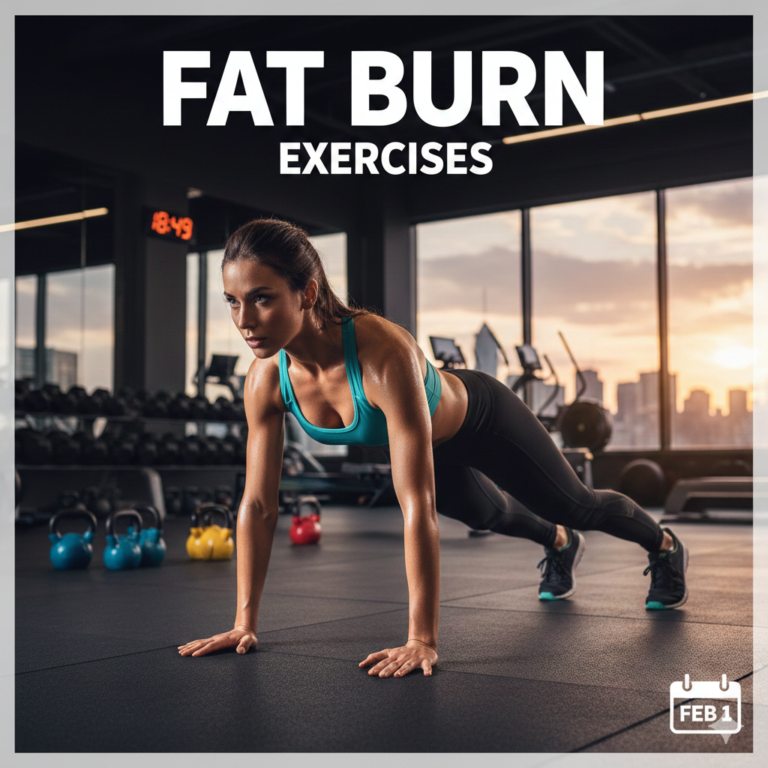
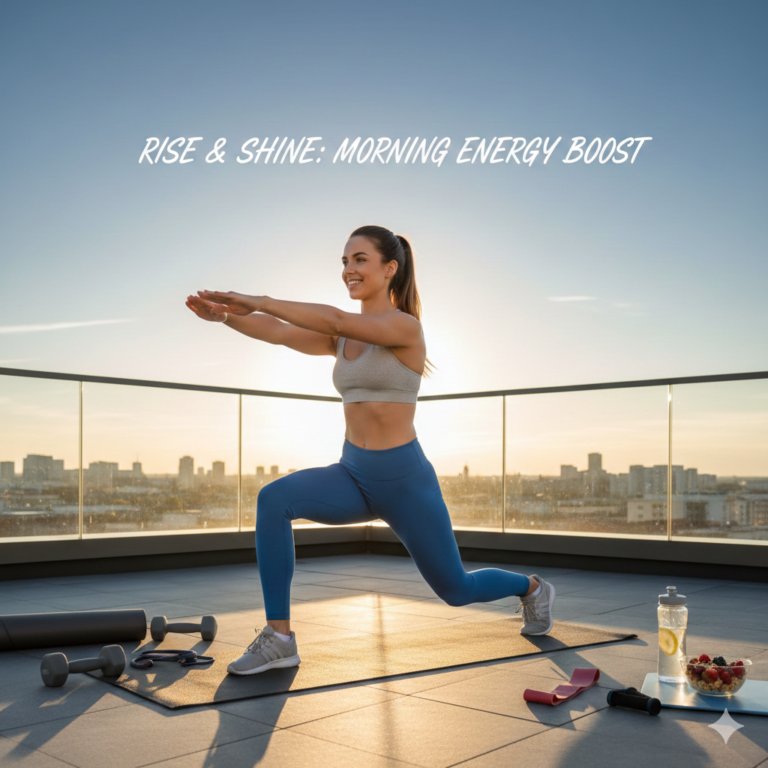
- Examples: Lifting weights, bodyweight exercises (push-ups, squats, lunges), resistance band workouts.
- Recommendation: Work all major muscle groups at least two times per week.
3. Flexibility and Balance Exercises:
- What it is: Activities that improve your range of motion and stability.
- Examples: Stretching, yoga, Pilates, Tai Chi.
- Recommendation: Incorporate these into your routine several times a week.
Making Exercise a Habit
- Start Small: Don’t try to do too much too soon. Begin with short, manageable workouts and gradually increase intensity and duration.
- Find Activities You Enjoy: If you like what you’re doing, you’re more likely to stick with it.
- Set Realistic Goals: Celebrate small victories to stay motivated.
- Schedule Your Workouts: Treat exercise appointments like any other important commitment.
- Find a Buddy: Exercising with a friend can provide accountability and make it more fun.
- Listen to Your Body: Rest when needed and avoid overtraining to prevent injuries.
Embracing fitness and exercise is a journey, not a destination. By making consistent movement a part of your life, you’ll not only build a stronger body but also cultivate a more resilient mind and a happier spirit.
H1: Fitness & Exercise: Your Path to a Stronger, Healthier You
Fitness is more than just looking good—it’s about building a healthier body, boosting your energy, and improving your overall quality of life. In today’s fast-paced world, prioritizing physical health through proper exercise and fitness routines is essential for long-term wellbeing. Whether you are a beginner or an advanced fitness enthusiast, this guide will help you create an effective fitness plan that suits your lifestyle.
H2: Why Fitness & Exercise Are Essential
Maintaining a consistent fitness routine offers numerous benefits:
- Improved Physical Health: Regular exercise strengthens your heart, improves circulation, and boosts immunity.
- Mental Health Benefits: Physical activity reduces stress, anxiety, and depression by releasing endorphins, the body’s natural mood elevators.
- Weight Management: Fitness helps burn calories, regulate metabolism, and maintain a healthy body weight.
- Enhanced Strength & Flexibility: Regular exercise improves muscle strength, endurance, and flexibility, reducing the risk of injuries.
Keyword focus: fitness benefits, exercise for health, strength training, weight management.
Internal Link Example: Check our Healthy Meal Plans for nutrition that complements your fitness routine.
H2: Types of Exercise for a Stronger Body
Choosing the right type of exercise is crucial for achieving your fitness goals. Here are the main types:
H3: 1. Cardiovascular Exercise
Cardio workouts include running, cycling, swimming, or brisk walking. These exercises improve heart health, increase stamina, and aid in weight loss.
Recommended Routine:
- Beginners: 20-30 minutes, 3 times a week
- Advanced: 45-60 minutes, 5 times a week
External Link Example: Learn more about cardio benefits at American Heart Association.
H3: 2. Strength Training
Strength or resistance training builds muscle mass, strengthens bones, and boosts metabolism. Exercises include weightlifting, resistance bands, or bodyweight exercises like push-ups and squats.
Tips for Beginners:
- Start with light weights
- Focus on proper form
- Include 2-3 sessions per week
Keyword: muscle building exercises, strength training tips
H3: 3. Flexibility & Mobility
Yoga, Pilates, and stretching exercises improve flexibility, balance, and posture. Incorporating these workouts reduces the risk of injuries and improves daily movement.
Keyword: yoga for flexibility, mobility exercises
H3: 4. High-Intensity Interval Training (HIIT)
HIIT combines short bursts of intense activity with rest periods. It is highly effective for burning fat, improving cardiovascular fitness, and saving time.
Example Routine:
- 30 seconds sprint
- 30 seconds rest
- Repeat for 15-20 minutes
H2: Creating Your Personalized Fitness Plan
A successful fitness plan is tailored to your goals, fitness level, and schedule.
H3: Step 1: Set Clear Goals
Define what you want to achieve: weight loss, muscle gain, or overall health improvement. Write down your goals to stay accountable.
H3: Step 2: Choose the Right Exercises
Combine cardio, strength, and flexibility exercises for a balanced routine. Beginners can start with 3 sessions per week and gradually increase frequency.
H3: Step 3: Schedule Your Workouts
Consistency is key. Set a fixed time for exercise daily or weekly. Treat it as a non-negotiable appointment.
H3: Step 4: Track Your Progress
Keep a fitness journal or use apps to monitor your workouts, weight, and body measurements. Tracking progress motivates you to stay committed.
Internal Link Example: Explore our Beginner Workout Routines for structured exercises.
H2: Nutrition Tips to Complement Fitness
Exercise alone is not enough. Proper nutrition fuels your workouts and aids recovery:
- Protein Intake: Supports muscle repair. Sources: lentils, beans, tofu, and nuts.
- Complex Carbohydrates: Provide long-lasting energy. Sources: oats, quinoa, sweet potatoes.
- Healthy Fats: Improve brain function and hormone balance. Sources: avocado, olive oil, nuts.
- Hydration: Drink at least 2–3 liters of water daily.
Keyword: fitness nutrition, workout diet tips
External Link Example: Read more on nutrition at Healthline.
H2: Staying Motivated in Your Fitness Journey
Motivation is often the biggest challenge in maintaining a fitness routine. Here are some strategies:
- Set Achievable Milestones: Small wins boost confidence.
- Workout with a Partner: Accountability increases consistency.
- Mix Up Your Routine: Avoid boredom by changing exercises weekly.
- Celebrate Progress: Reward yourself when goals are achieved.
Keyword: fitness motivation, workout consistency
H2: Common Fitness Mistakes to Avoid
Avoid these mistakes to ensure safe and effective workouts:
- Skipping Warm-Ups: Increases risk of injury.
- Overtraining: Leads to fatigue and burnout.
- Ignoring Nutrition: Undermines results.
- Poor Form: Causes injuries and reduces effectiveness.
H2: Fitness Equipment & Tools
Investing in basic equipment can enhance your workouts:
- Dumbbells & Kettlebells
- Resistance Bands
- Yoga Mat
- Stability Ball
Internal Link Example: Check our Home Gym Equipment Guide for more details.
H2: Benefits of a Regular Fitness Routine
Consistent exercise improves:
- Energy levels
- Sleep quality
- Mental focus
- Longevity
Keyword: long-term fitness benefits, healthy lifestyle tips
H2: Frequently Asked Questions (FAQs)
H3: How often should I exercise?
At least 150 minutes of moderate-intensity cardio or 75 minutes of vigorous-intensity cardio per week, combined with 2–3 strength training sessions.
H3: Can I lose weight without cardio?
Yes, strength training and proper nutrition can also help with fat loss, but cardio improves heart health and calorie burn.
H3: Is yoga enough for fitness?
Yoga improves flexibility and mental health but should be combined with strength and cardio for overall fitness.
H2: Conclusion
Fitness and exercise are vital for a strong, healthy body and mind. By setting clear goals, choosing the right exercises, following a balanced diet, and staying consistent, you can transform your health and achieve lasting results. Start your journey today—your future self will thank you.
Image Alt Text Examples:
- “Person doing strength training at home”
- “Healthy meal for fitness enthusiasts”
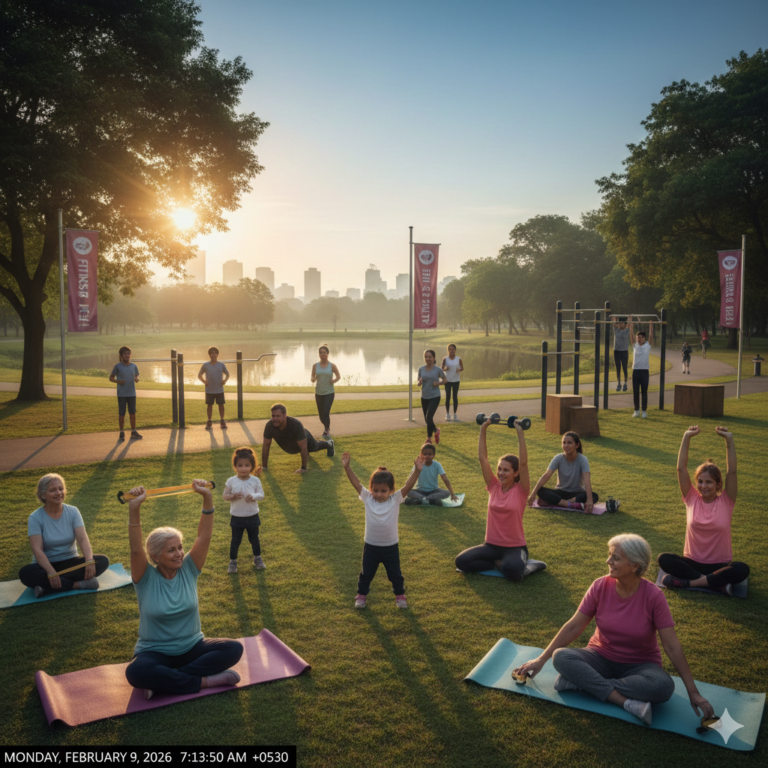
- “Cardio exercise in the park”
Backlinks
- [Internal] Healthy Meal Plans: https://www.healthguideme.com/healthy-meal-plans
- [Internal] Beginner Workout Routines: https://www.healthguideme.com/beginner-workouts
- [Internal] Home Gym Equipment: https://www.healthguideme.com/home-gym-equipment
- [External] American Heart Association: https://www.heart.org
- [External] Healthline Nutrition: https://www.healthline.com/nutrition
Focus Keywords:
fitness, exercise, health, workout routines, strength training, cardio exercises, flexibility exercises, HIIT workouts, fitness motivation, fitness nutrition