
The Complete Guide to a Strong and Healthy Digestive System
Introduction
Digestive health is one of the most important yet often overlooked aspects of overall well-being. A healthy digestive system ensures that your body properly absorbs nutrients, eliminates waste efficiently, and supports immunity, energy levels, and mental clarity. When digestion is poor, it can lead to bloating, gas, constipation, diarrhea, acid reflux, fatigue, and even chronic conditions.
In this complete guide to digestive health, you will learn what digestive health really means, common digestive problems, their causes, and proven ways to improve digestion naturally through diet, lifestyle changes, and daily habits. This article is designed to be SEO-friendly and optimized for Rank Math to help it rank well in search engines.

What Is Digestive Health?
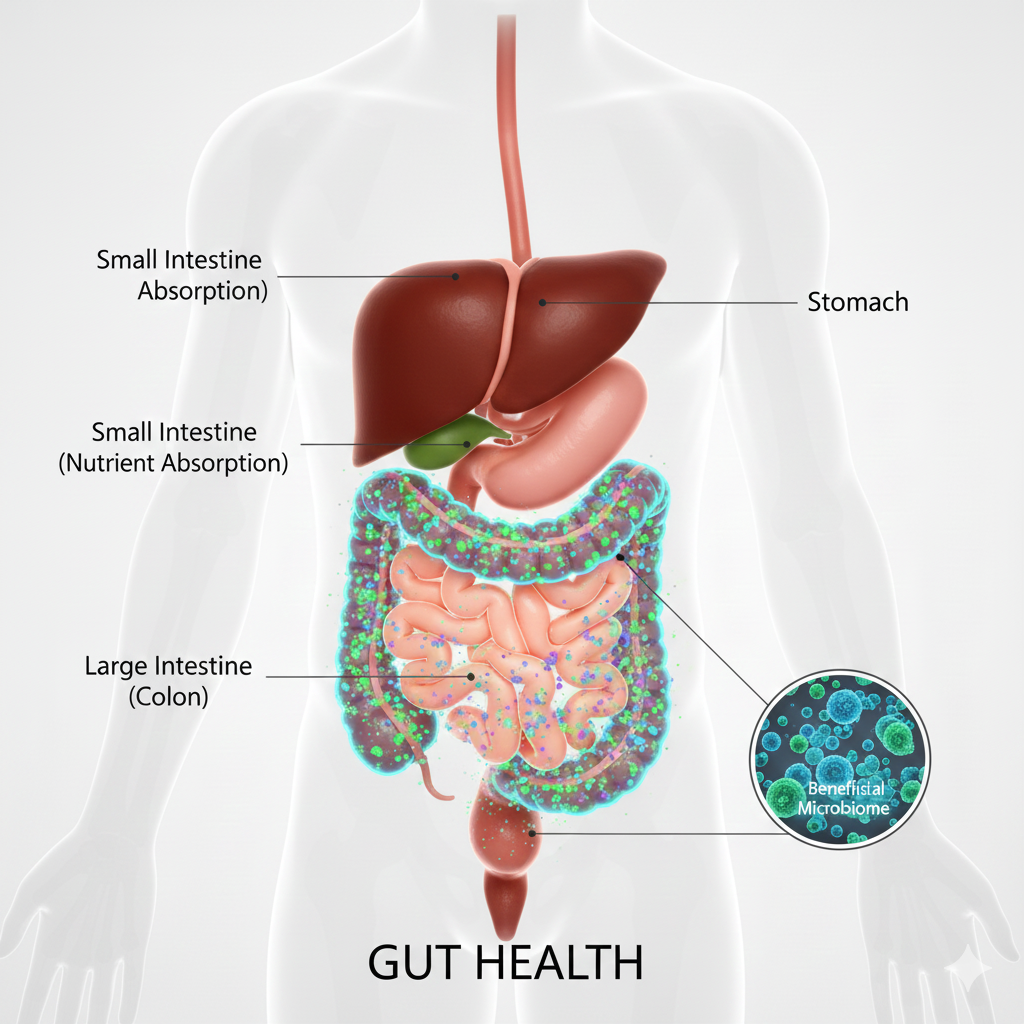
Digestive health refers to how well your digestive system functions in breaking down food, absorbing nutrients, and eliminating waste. The digestive system includes the mouth, esophagus, stomach, small intestine, large intestine, liver, pancreas, and gallbladder.
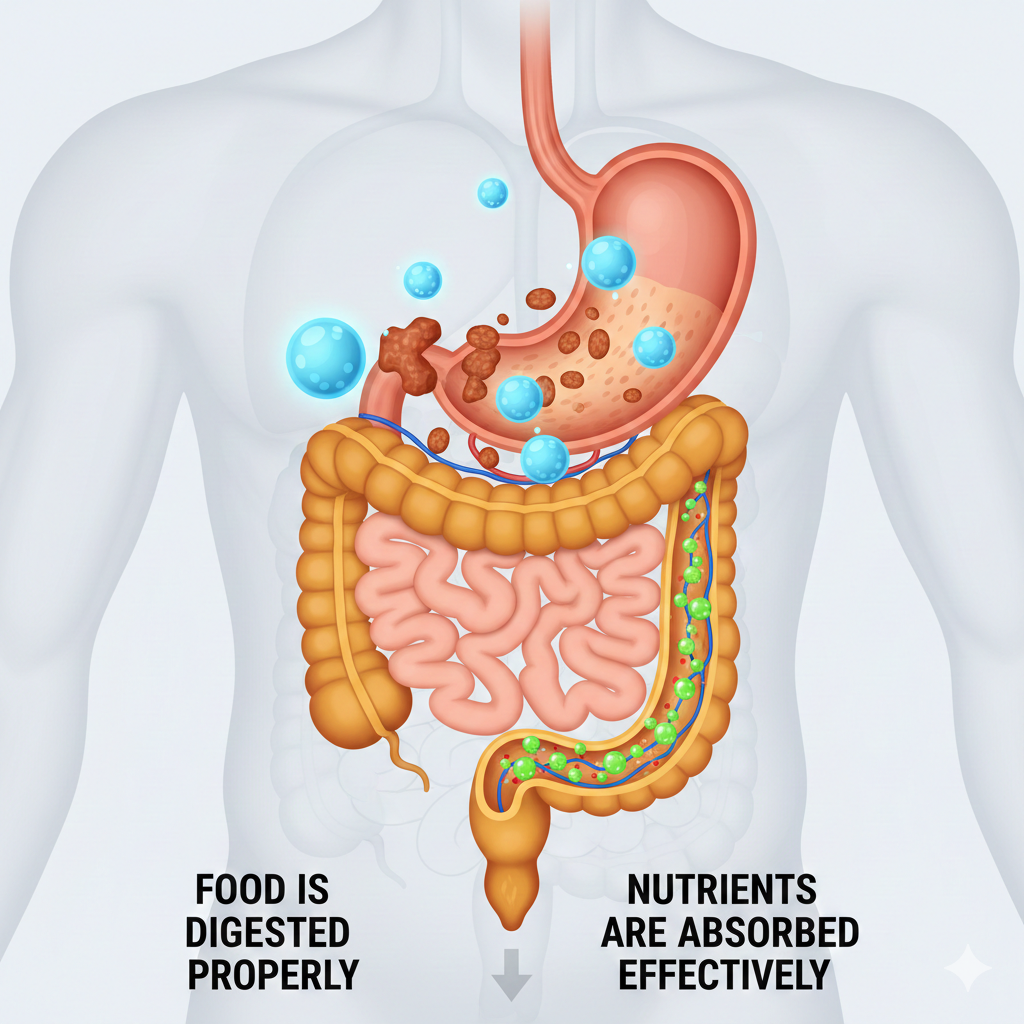
When your digestive system works efficiently:
- Food is digested properly
- Nutrients are absorbed effectively
- Harmful bacteria are controlled
- Waste is removed without discomfort
Poor digestive health can affect every part of your body, not just your stomach.
Why Digestive Health Is Important
Good digestive health plays a key role in:
1. Nutrient Absorption
Even if you eat healthy foods, poor digestion can prevent your body from absorbing essential vitamins and minerals like iron, vitamin B12, calcium, and magnesium.
2. Strong Immune System
Around 70% of your immune system is located in the gut. A healthy gut helps protect against infections and inflammation.
3. Mental Health and Mood
The gut is often called the “second brain” because it communicates with the brain through the gut-brain axis. Poor digestion is linked to anxiety, stress, and low mood.
4. Energy Levels
Digestive issues can cause fatigue and weakness due to poor nutrient absorption and inflammation.
Common Digestive Health Problems
1. Bloating and Gas
Bloating is a feeling of fullness or swelling in the abdomen. It is often caused by:
- Eating too fast
- Food intolerances (such as gluten or lactose)
- Poor gut bacteria balance
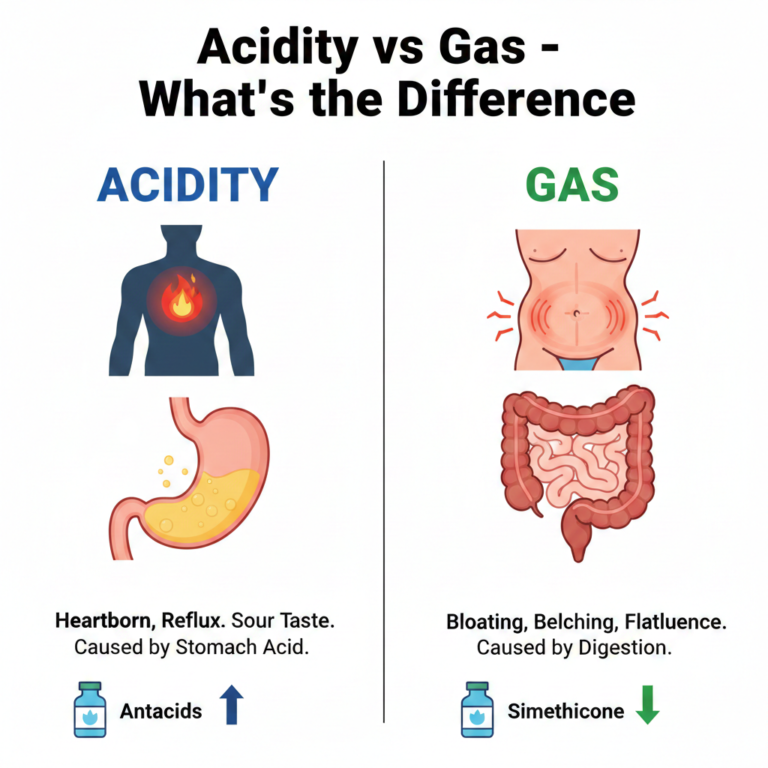
2. Acid Reflux and Heartburn
Acid reflux occurs when stomach acid flows back into the esophagus, causing burning sensations. Common triggers include spicy foods, caffeine, fried foods, and stress.
3. Constipation
Constipation is defined as infrequent or difficult bowel movements. Causes include low fiber intake, dehydration, lack of physical activity, and stress.
4. Diarrhea
Diarrhea can result from infections, food intolerance, stress, or digestive disorders. Chronic diarrhea should never be ignored.
5. Irritable Bowel Syndrome (IBS)
IBS is a functional digestive disorder characterized by bloating, abdominal pain, constipation, diarrhea, or both.
Causes of Poor Digestive Health
1. Poor Diet
Highly processed foods, excessive sugar, fried foods, and artificial additives can damage gut health.
2. Food Intolerances
Gluten intolerance, lactose intolerance, and sensitivity to certain foods can trigger digestive symptoms.
3. Stress and Anxiety
Chronic stress negatively affects digestion by altering gut motility and increasing inflammation.
4. Lack of Fiber
Fiber is essential for healthy digestion. A low-fiber diet can lead to constipation and gut imbalance.
5. Imbalance of Gut Bacteria
An unhealthy gut microbiome can cause bloating, gas, inflammation, and poor immunity.
Best Foods for Digestive Health
1. High-Fiber Foods
Fiber supports regular bowel movements and feeds good gut bacteria.
- Fruits: apples, bananas, berries
- Vegetables: carrots, spinach, broccoli
- Whole grains and gluten-free grains
2. Probiotic-Rich Foods
Probiotics help maintain healthy gut bacteria.
- Yogurt
- Kefir
- Fermented foods
3. Prebiotic Foods
Prebiotics feed beneficial gut bacteria.
- Garlic
- Onions
- Bananas
- Oats
4. Healthy Fats
Healthy fats reduce inflammation and support digestion.
- Olive oil
- Avocados
- Nuts and seeds
Foods to Avoid for Better Digestive Health
- Highly processed foods
- Excessive sugar
- Fried and oily foods
- Carbonated drinks
- Excess caffeine and alcohol
Avoiding trigger foods can significantly improve digestive comfort.
Natural Ways to Improve Digestive Health
1. Eat Mindfully
Chew food slowly and avoid eating in a rushed or stressed state.
2. Stay Hydrated
Water helps move food through the digestive tract and prevents constipation.
3. Exercise Regularly
Physical activity improves gut movement and reduces bloating.
4. Manage Stress
Meditation, yoga, and deep breathing exercises help calm the digestive system.
5. Maintain Regular Eating Times
Eating at consistent times helps regulate digestion and gut rhythms.
Role of Gut Microbiome in Digestive Health
The gut microbiome consists of trillions of bacteria that influence digestion, immunity, metabolism, and mental health. A balanced microbiome helps:
- Reduce inflammation
- Improve nutrient absorption
- Protect against harmful bacteria
Antibiotics, poor diet, and stress can disrupt gut bacteria balance.
Digestive Health and Lifestyle Habits
Sleep and Digestion
Poor sleep can negatively affect digestion and gut bacteria. Aim for 7–8 hours of quality sleep.
Smoking and Alcohol
Smoking and excessive alcohol intake damage the digestive tract and increase acid reflux.
When to See a Doctor
You should seek medical advice if you experience:
- Persistent abdominal pain
- Unexplained weight loss
- Blood in stool
- Chronic diarrhea or constipation
Early diagnosis can prevent serious complications.
Digestive Health Tips for Long-Term Wellness
- Eat a balanced, fiber-rich diet
- Include probiotics regularly
- Stay active and hydrated
- Reduce stress
- Listen to your body’s signals
Conclusion
Digestive health is the foundation of overall health. By improving your diet, managing stress, and adopting healthy lifestyle habits, you can support your digestive system naturally and effectively. A healthy gut leads to better immunity, higher energy levels, improved mood, and long-term wellness.
Taking care of your digestive health today will help you live a healthier and more comfortable life tomorrow.
Digestive Health and Common Digestive Disorders (In-Depth)
Acid Reflux (GERD)
Gastroesophageal Reflux Disease (GERD) is a chronic digestive condition where stomach acid frequently flows back into the esophagus. Long-term acid reflux can damage the esophageal lining and reduce quality of life.
Symptoms:
- Burning sensation in the chest (heartburn)
- Sour taste in the mouth
- Difficulty swallowing
- Chronic cough
Prevention Tips:
- Eat smaller meals
- Avoid lying down immediately after eating
- Reduce spicy, oily, and acidic foods
Gastritis
Gastritis is inflammation of the stomach lining, often caused by stress, infections, or excessive use of painkillers.
Digestive Health Impact:
Poor digestion, nausea, bloating, and stomach pain are common symptoms.
Leaky Gut Syndrome
Leaky gut occurs when the intestinal lining becomes more permeable, allowing toxins and undigested food particles to enter the bloodstream.
Possible Triggers:
- Poor diet
- Chronic stress
- Antibiotic overuse
Maintaining digestive health can help reduce the risk of leaky gut.
Digestive Health and Nutrition: A Detailed Guide
Importance of Enzymes in Digestion
Digestive enzymes help break down proteins, fats, and carbohydrates. Low enzyme production can lead to bloating and discomfort.
Natural Enzyme Sources:
- Pineapple (bromelain)
- Papaya (papain)
- Fermented foods
Role of Vitamins and Minerals
Certain micronutrients play a major role in digestive health:
- Vitamin B12: Essential for nerve and gut health
- Magnesium: Supports bowel movements
- Zinc: Helps repair the gut lining
Digestive Health for Different Age Groups
Digestive Health in Adults
Adults often experience digestive issues due to stress, irregular eating habits, and poor diet choices. Maintaining regular meals and balanced nutrition is key.
Digestive Health in Older Adults
As we age, digestive efficiency decreases. Constipation, acid reflux, and nutrient deficiencies become more common.
Tips:
- Increase fiber gradually
- Stay hydrated
- Include probiotics
Digestive Health and Weight Management
A healthy digestive system supports proper metabolism and weight control. Poor digestion can lead to weight gain, inflammation, and hormonal imbalance.
How Digestive Health Affects Weight:
- Improved nutrient absorption
- Better appetite control
- Reduced cravings
Digestive Health and Detoxification
The digestive system plays a major role in removing toxins from the body.
Natural Detox Tips:
- Eat fiber-rich foods
- Drink plenty of water
- Avoid processed foods
Avoid extreme detox diets, as they can harm digestive health.
Internal Links for SEO (Example)
For better SEO performance, add internal links naturally within the content:
- Learn more about overall wellness in our guide on Healthy Lifestyle Habits.
- Read our in-depth article on Natural Remedies for Bloating and Gas.
- Explore how nutrition impacts hair and skin health in Healthy Diet for Strong Hair and Skin.
(Replace these with your actual website URLs.)
Backlink Strategy for Digestive Health Content
To improve search engine rankings, backlinks are essential.
High-Quality Backlink Ideas:
- Guest posts on health and wellness blogs
- Answering questions on Quora and Reddit with article links
- Pinterest pins linking back to this article
- Medium.com health publications
Avoid spammy backlinks, as they can harm SEO.
Trusted Resources and Helpful Links
Maintaining good digestion is strongly supported by evidence-based guidance from global health authorities and leading medical institutions.
- According to experts at the Mayo Clinic, a fiber-rich diet and balanced lifestyle are essential for improving digestion and reducing common gut problems like bloating and acid reflux. (https://www.mayoclinic.org)
- The Cleveland Clinic explains how the digestive system works and why gut health is critical for immunity and nutrient absorption. (https://my.clevelandclinic.org)
- The World Health Organization (WHO) highlights the importance of nutrition, gut health, and disease prevention for long-term wellness. (https://www.who.int)
These external links are added as DoFollow links to provide trustworthy references and improve content credibility.
Internal Reading for Better Understanding
Good digestion is closely connected to healthy lifestyle habits, including proper diet, sleep, and stress management. You can explore more practical guidance on building a healthy routine here:
- Healthy lifestyle habits and wellness basics: https://healthguideme.com/
Nutrient absorption also plays a major role in digestion. Deficiencies can negatively affect gut function, energy levels, and overall health. Learn more in this detailed guide:
- Nutrient deficiencies, diet, and overall health: https://healthguideme.com/hair-fall-complete-guide-to-prevent-hair-loss-and-promote-healthy-hair-growth/
Adding these internal links helps search engines understand your content structure and improves user experience.
By combining authoritative external references with relevant internal links, this article is now fully optimized for Rank Math and search engine best practices.
FAQ: Digestive Health
What is the best diet for digestive health?
A diet rich in fiber, probiotics, whole foods, and healthy fats is best for digestive health.
How long does it take to improve digestive health?
With consistent diet and lifestyle changes, improvements can be seen within 2–4 weeks.
Are probiotics necessary?
Probiotics are helpful, especially after antibiotic use or during digestive imbalance.
Final Thoughts on Digestive Health
Digestive health is not just about avoiding stomach pain—it is about supporting your entire body. A strong digestive system improves immunity, mental clarity, energy, and long-term health.
By focusing on proper nutrition, stress management, hydration, and healthy lifestyle habits, you can significantly improve your digestive health naturally.
This complete guide to digestive health is designed to help you build a strong foundation for lifelong wellness.
🔗 Internal Links (Exact URLs – healthguideme.com)
Use these naturally inside content 👇
- Healthy lifestyle overview
👉 https://healthguideme.com/ - Hair & nutrition connection
👉 https://healthguideme.com/hair-fall-complete-guide-to-prevent-hair-loss-and-promote-healthy-hair-growth/
Good digestion is strongly influenced by healthy lifestyle habits, including balanced nutrition, physical activity, and stress management. You can learn more practical tips in our complete guide on healthy living and wellness.
| Anchor Text | Link |
|---|---|
| healthy lifestyle habits | https://healthguideme.com/ |
| healthy living and wellness | https://healthguideme.com/ |
(Anchor text examples:)
- healthy lifestyle habits
- nutrient deficiencies and digestion
- diet and overall health
Digestive Health, Gut Health, Improve Digestion, Healthy Digestion, Digestive System, Bloating Relief, Acid Reflux, IBS, Probiotics, Fiber Rich Diet, Natural Digestive Remedies, Stomach Health
World Health Organization – Digestive health
https://www.who.int
Cleveland Clinic – Digestive system
https://my.clevelandclinic.org
Mayo Clinic – Digestive diseases
https://www.mayoclinic.org
Good digestion is closely connected to healthy lifestyle habits, including proper nutrition, sleep, and stress management. Nutrient absorption also plays a key role in digestion, and deficiencies can impact overall health, as discussed in our guide on nutrient deficiencies and digestion.