Blood Pressure: A Complete Guide to Causes, Symptoms, Prevention, and Management

Introduction to Blood Pressure
Blood pressure is one of the most important indicators of overall health. It represents the force exerted by circulating blood against the walls of the arteries as the heart pumps blood throughout the body. Maintaining healthy blood pressure is essential for proper functioning of vital organs such as the heart, brain, kidneys, and eyes.
When blood pressure remains consistently too high or too low, it can lead to serious health complications, including heart disease, stroke, kidney failure, and vision loss. Unfortunately, many people are unaware they have abnormal blood pressure because it often presents no noticeable symptoms. This is why blood pressure is often referred to as the “silent killer.”
This comprehensive guide explains everything you need to know about blood pressure, including how it works, normal ranges, causes of imbalance, symptoms, diagnosis, treatment options, lifestyle changes, and prevention strategies.
What Is Blood Pressure?
Blood pressure is measured as two numbers:
- Systolic Blood Pressure – The pressure in your arteries when your heart beats and pumps blood.
- Diastolic Blood Pressure – The pressure in your arteries when your heart rests between beats.
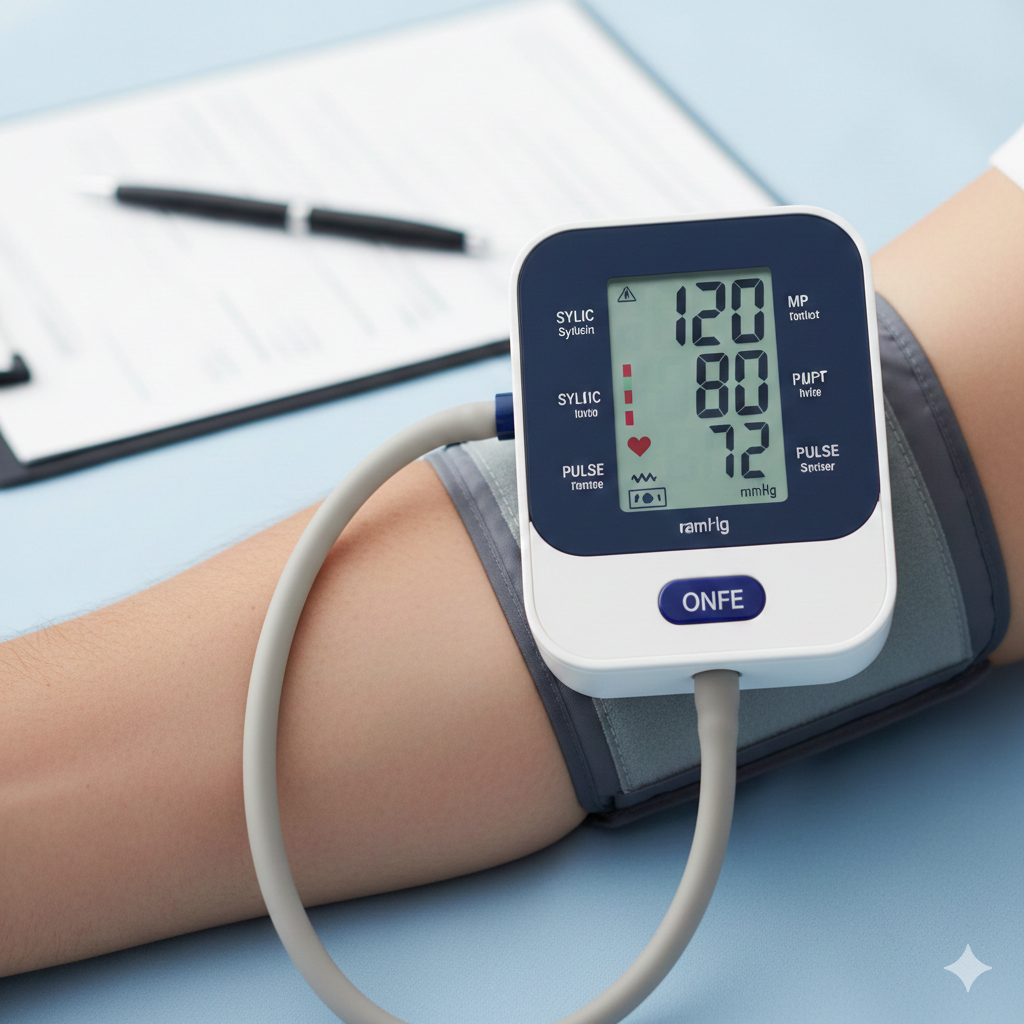
Blood pressure is written as systolic over diastolic, for example 120/80 mmHg.
Normal Blood Pressure Ranges
Blood pressure is categorized into several ranges:
| Category | Systolic (mmHg) | Diastolic (mmHg) |
|---|---|---|
| Normal | Less than 120 | Less than 80 |
| Elevated | 120–129 | Less than 80 |
| Hypertension Stage 1 | 130–139 | 80–89 |
| Hypertension Stage 2 | 140 or higher | 90 or higher |
| Hypertensive Crisis | Over 180 | Over 120 |
Maintaining blood pressure within the normal range significantly reduces the risk of cardiovascular disease.
How Blood Pressure Works in the Body
Blood pressure depends on two main factors:
- Cardiac Output – How much blood the heart pumps
- Peripheral Resistance – How narrow or wide the blood vessels are
When arteries become narrow or stiff, the heart must work harder to push blood through them, increasing blood pressure. Over time, this extra strain damages blood vessels and organs.
Types of Blood Pressure Disorders
High Blood Pressure (Hypertension)
Hypertension occurs when blood pressure remains elevated over time. It is one of the leading causes of premature death worldwide.
Low Blood Pressure (Hypotension)
Hypotension occurs when blood pressure drops too low, leading to inadequate blood flow to organs. This can cause dizziness, fainting, and shock in severe cases.
Causes of High Blood Pressure
Primary (Essential) Hypertension
This type develops gradually over years and has no single identifiable cause. Contributing factors include:
- Genetics
- Aging
- Poor diet
- Lack of physical activity
- Obesity
- Chronic stress
Secondary Hypertension
Secondary hypertension results from underlying medical conditions such as:
- Kidney disease
- Hormonal disorders
- Thyroid problems
- Sleep apnea
- Certain medications
- Adrenal gland tumors
Causes of Low Blood Pressure
Low blood pressure may result from:
- Dehydration
- Blood loss
- Heart problems
- Endocrine disorders
- Severe infections (sepsis)
- Nutrient deficiencies (Vitamin B12, folate)
Symptoms of High Blood Pressure
High blood pressure often has no symptoms, but in severe cases, it may cause:
- Headaches
- Shortness of breath
- Chest pain
- Nosebleeds
- Dizziness
- Blurred vision
- Fatigue
Symptoms of Low Blood Pressure
Symptoms of hypotension include:
- Lightheadedness
- Fainting
- Nausea
- Cold, clammy skin
- Confusion
- Rapid breathing
Complications of Uncontrolled Blood Pressure
Heart Complications
- Heart attack
- Heart failure
- Enlarged heart
- Coronary artery disease
Brain Complications
- Stroke
- Transient ischemic attack (TIA)
- Dementia
- Memory loss
Kidney Damage
High blood pressure damages kidney blood vessels, leading to chronic kidney disease.
Eye Damage
Hypertensive retinopathy can cause vision loss and blindness.
Diagnosis of Blood Pressure Problems
Blood pressure is measured using:
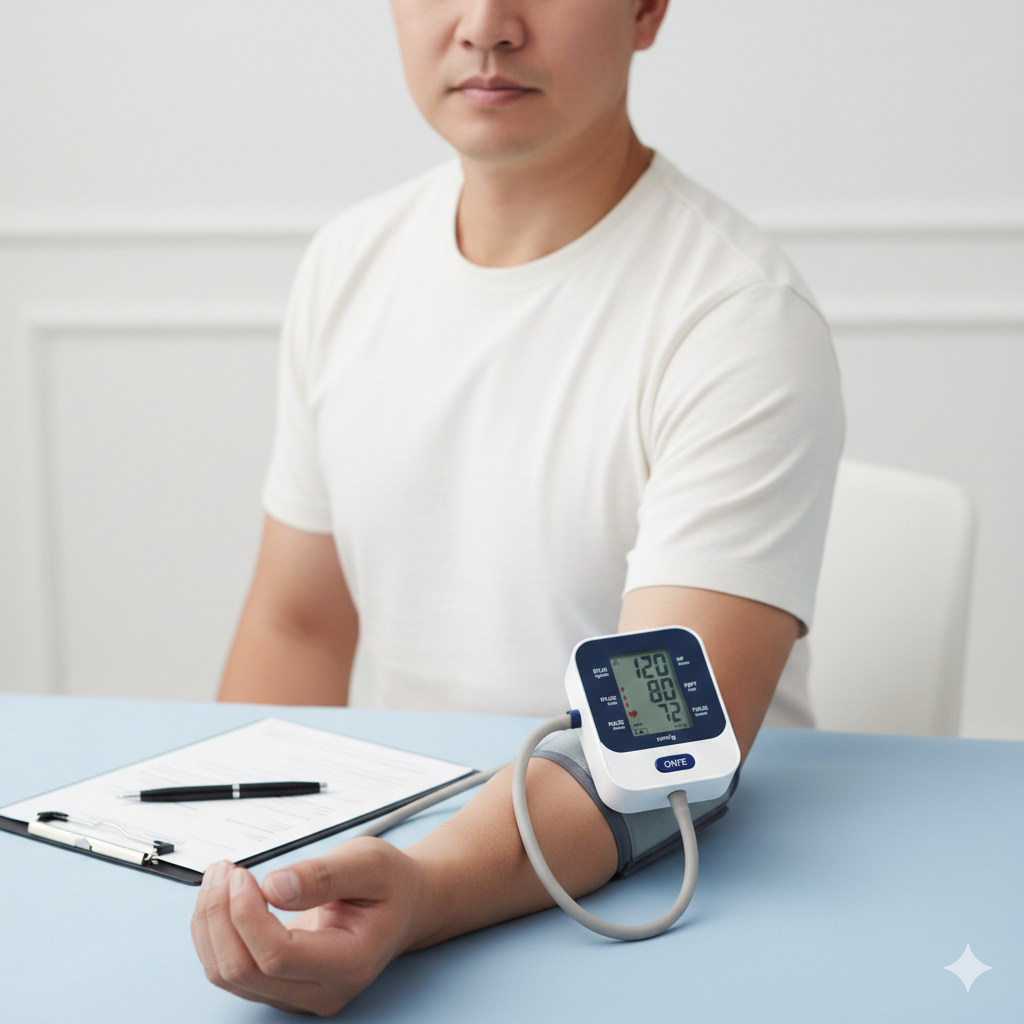
- Digital blood pressure monitors
- Manual sphygmomanometers
- Ambulatory blood pressure monitoring
- Home blood pressure monitoring
Doctors may also order blood tests, urine tests, ECGs, and imaging studies to identify underlying causes.
Treatment for High Blood Pressure
Lifestyle Changes
Lifestyle modification is the first line of treatment:
- Reduce salt intake
- Eat a balanced diet
- Exercise regularly
- Maintain healthy weight
- Quit smoking
- Limit alcohol
- Manage stress
Medications
Common blood pressure medications include:
- Diuretics
- ACE inhibitors
- ARBs
- Beta-blockers
- Calcium channel blockers
Treatment plans are personalized based on age, health condition, and severity.
Treatment for Low Blood Pressure
Management includes:
- Increasing fluid intake
- Eating small frequent meals
- Increasing salt intake (under medical advice)
- Wearing compression stockings
- Treating underlying causes
Diet for Healthy Blood Pressure
DASH Diet
The DASH (Dietary Approaches to Stop Hypertension) diet is highly effective:
- Fruits and vegetables
- Whole grains
- Lean proteins
- Low-fat dairy
- Nuts and seeds
Foods to Avoid
- Processed foods
- Excess salt
- Sugary drinks
- Trans fats
- Excess caffeine
Exercise and Blood Pressure
Regular physical activity helps lower blood pressure by improving heart efficiency.
Recommended activities:
- Brisk walking
- Cycling
- Swimming
- Yoga
- Strength training
At least 150 minutes per week of moderate exercise is recommended.
Stress and Blood Pressure
Chronic stress contributes to hypertension through hormonal and behavioral pathways.
Stress management techniques:
- Meditation
- Deep breathing
- Mindfulness
- Adequate sleep
- Time management
Blood Pressure and Age
Blood pressure tends to rise with age due to arterial stiffness. Older adults require regular monitoring and careful treatment to prevent complications.
Blood Pressure in Pregnancy
High blood pressure during pregnancy can lead to:
- Preeclampsia
- Placental problems
- Preterm birth
Regular antenatal care is essential.
Blood Pressure Monitoring at Home
Home monitoring helps detect early changes and track treatment effectiveness.
Tips for accurate measurement:
- Sit quietly for 5 minutes
- Use correct cuff size
- Measure at the same time daily
- Avoid caffeine before testing
Prevention of Blood Pressure Problems
- Maintain healthy weight
- Follow a balanced diet
- Stay physically active
- Reduce salt
- Avoid smoking
- Limit alcohol
- Manage stress
- Get regular checkups
Myths and Facts About Blood Pressure
Myth: Young people don’t get high blood pressure
Fact: Hypertension can affect all ages
Myth: Medication alone can control blood pressure
Fact: Lifestyle changes are equally important
When to See a Doctor
Seek immediate medical attention if blood pressure is:
- Above 180/120 mmHg
- Accompanied by chest pain
- Severe headache
- Vision problems
- Difficulty breathing
Conclusion
Blood pressure plays a vital role in maintaining overall health. Whether high or low, abnormal blood pressure can silently damage the body if left untreated. Early detection, proper treatment, and healthy lifestyle choices can significantly reduce risks and improve quality of life.
Regular monitoring, balanced nutrition, physical activity, and stress management are the foundations of lifelong blood pressure control. By understanding blood pressure and taking proactive steps, you can protect your heart, brain, kidneys, and overall well-being.
📝 Internal Links to Add in Article
- Gluten-Free Meals – https://healthguideme.com/gluten-free-meals/
Explore healthy gluten-free meal options to maintain overall wellness. - Cholesterol Health Complete Guide – https://healthguideme.com/cholesterol-health-complete-guide/
Learn how cholesterol affects heart health and ways to manage it naturally. - Cancer Symptoms & Early Detection – https://healthguideme.com/cancer-symptoms-early-detection/
Recognize early signs of cancer and understand the importance of timely detection.
External DoFollow Links for Blood Pressure Article
- WHO – Hypertension Fact Sheet – https://www.who.int/news-room/fact-sheets/detail/hypertension
Authoritative global info on hypertension - American Heart Association – High Blood Pressure Guide – https://www.heart.org/en/health-topics/high-blood-pressure
Detailed guidance on hypertension - CDC – Blood Pressure Resources – https://www.cdc.gov/bloodpressure/index.htm
Trusted US resource for blood pressure info - Mayo Clinic – Blood Pressure Overview – https://www.mayoclinic.org/diseases-conditions/high-blood-pressure/
Medical reference on high blood pressure - NHS – High Blood Pressure Guide – https://www.nhs.uk/conditions/high-blood-pressure-hypertension/
Blood Pressure – Additional Content (Approx. 500 Words)
Maintaining healthy blood pressure is essential for a long and active life. Blood pressure measures the force of blood against the walls of your arteries, and when it is too high or too low, it can cause serious health complications. High blood pressure, also known as hypertension, increases the risk of heart attacks, strokes, kidney disease, and vision problems. On the other hand, low blood pressure, or hypotension, can lead to dizziness, fainting, and inadequate blood flow to vital organs.
One of the most effective ways to manage blood pressure is through lifestyle changes. A balanced diet rich in fruits, vegetables, whole grains, and lean proteins helps maintain optimal blood pressure levels. Reducing sodium intake and avoiding processed foods can significantly lower the risk of hypertension. Regular physical activity, such as brisk walking, swimming, or cycling, strengthens the heart and improves circulation. Exercise also helps reduce stress, which is a common contributor to high blood pressure.
Stress management is another crucial factor in maintaining healthy blood pressure. Techniques such as meditation, deep breathing exercises, yoga, and spending time in nature can help calm the mind and reduce stress hormone levels. Chronic stress can lead to persistent high blood pressure, so incorporating relaxation techniques into daily routines is essential.
Monitoring your blood pressure at home is highly recommended. Home blood pressure monitors are easy to use and allow individuals to track their readings regularly. Keeping a log of daily readings can help detect patterns and alert you to any sudden changes. Regular check-ups with a healthcare provider ensure that any necessary treatment or medication adjustments are made in time.
Sleep quality also plays a role in blood pressure regulation. Poor sleep, sleep apnea, or insufficient rest can contribute to hypertension. Adults should aim for 7–9 hours of quality sleep each night to support overall heart health. Avoiding alcohol and caffeine close to bedtime can also improve sleep quality.
In addition to lifestyle modifications, certain supplements and natural remedies may support healthy blood pressure. Potassium-rich foods, such as bananas, spinach, and sweet potatoes, help balance sodium levels in the body. Omega-3 fatty acids, found in fish or flax seeds, support cardiovascular health. However, any supplements should be discussed with a healthcare professional before use.
Education and awareness about blood pressure are critical. Understanding the difference between systolic and diastolic readings, recognizing symptoms, and knowing the risk factors allow individuals to take proactive measures. Family history, obesity, sedentary lifestyle, excessive salt intake, and stress are all significant contributors to abnormal blood pressure. By addressing these factors, people can take control of their cardiovascular health and reduce the risk of serious complications.
Finally, combining a healthy diet, regular exercise, stress management, adequate sleep, and routine monitoring creates a comprehensive approach to maintaining optimal blood pressure. Sharing knowledge and resources with family and friends can also promote heart health within the community. By taking small but consistent steps, anyone can work towards maintaining healthy blood pressure and improving overall well-being.