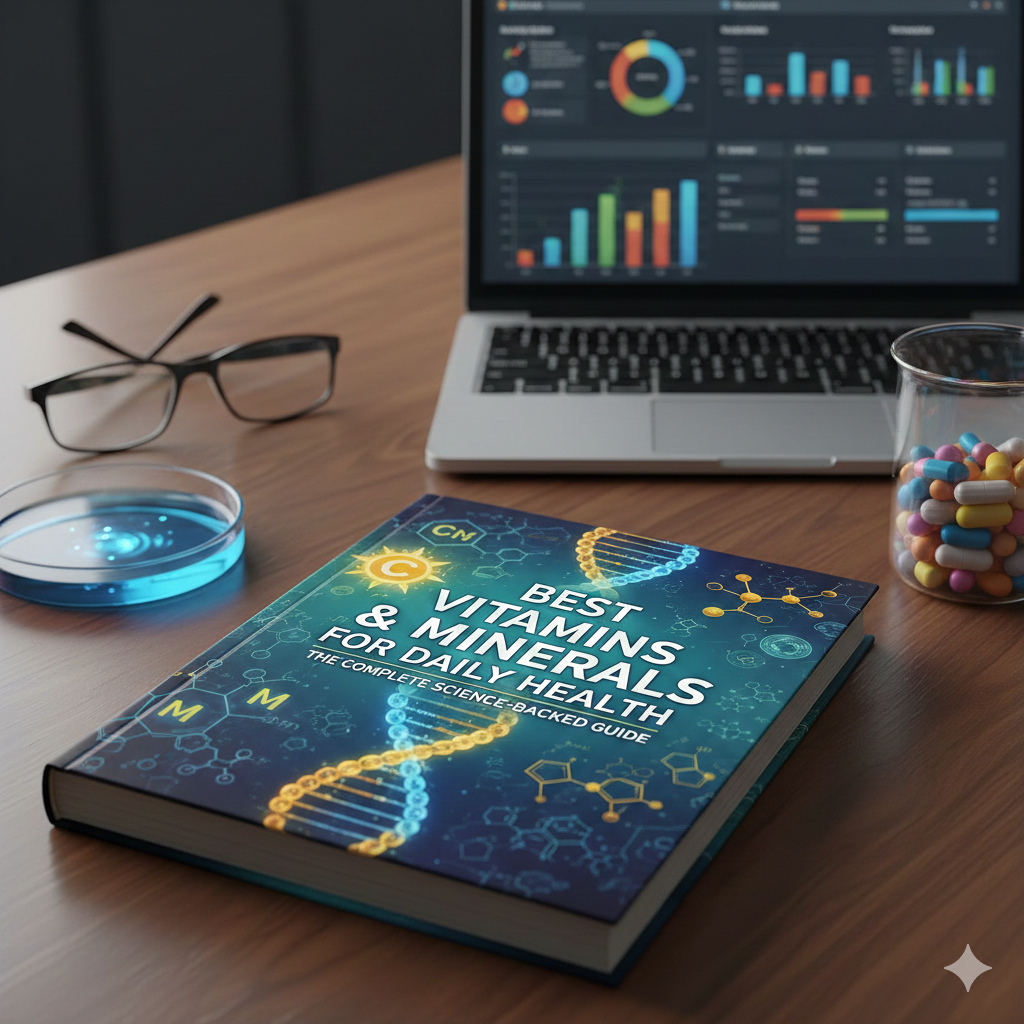
Best Vitamins & Minerals for Daily Health: The Complete Science-Backed Guide
Best Vitamins & Minerals for Daily Health are essential for every adult to maintain energy, strong immunity, and overall wellness. A balanced diet with these nutrients supports proper brain function, strong bones, and long-term health. Without enough of the best vitamins & minerals for daily health, common issues like fatigue, weak immunity, and poor concentration can develop.

Top Essential Vitamins & Minerals for Daily Health Introduction
Optimal health is not achieved through calories alone. While carbohydrates, proteins, and fats provide energy, your body depends on micronutrients — vitamins and minerals — to regulate nearly every biological process.
From brain function and immune defense to bone strength and hormone balance, essential vitamins and minerals are the foundation of daily health. Even mild deficiencies can lead to fatigue, weakened immunity, poor concentration, and long-term disease risk.
In this comprehensive guide, we explore:
- The most important vitamins for daily health
- Essential minerals your body needs
- Benefits of each nutrient
- Food sources
- Deficiency symptoms
- Recommended intake
- Who may need supplements
Why Vitamins and Minerals Are Essential for Daily Health
Micronutrients:
- Support enzyme activity
- Regulate metabolism
- Strengthen immune response
- Help produce hormones
- Repair tissues
- Protect cells from oxidative stress
Your body cannot produce most vitamins and minerals on its own. That means daily nutrition plays a crucial role in preventing chronic disease and maintaining energy levels.
Fat-Soluble vs Water-Soluble Vitamins Explained
Understanding this difference helps prevent toxicity and deficiency.
Fat-Soluble Vitamins (A, D, E, K)
- Stored in liver and fat tissues
- Do not need to be consumed daily
- Can accumulate and cause toxicity if overused
Water-Soluble Vitamins (B-complex, C)
- Not stored significantly
- Must be consumed regularly
- Excess amounts are excreted in urine
Vitamin A – Vision, Immunity, and Skin Health
Vitamin A is crucial for maintaining healthy eyesight and immune defense.
How It Works
Vitamin A forms retinal, a molecule required for vision in low light. It also supports epithelial cells that protect the body from infections.
Health Benefits
- Prevents night blindness
- Supports immune cell production
- Promotes healthy skin
- Aids reproductive health
Best Food Sources
- Carrots
- Sweet potatoes
- Spinach
- Kale
- Eggs
- Liver
Deficiency Signs
- Dry eyes
- Frequent infections
- Rough skin
- Poor wound healing
Vitamin B Complex – Energy, Brain, and Metabolism
The B-complex vitamins work together to convert food into usable energy.
B1 (Thiamine)
Supports nerve function and carbohydrate metabolism.
B2 (Riboflavin)
Plays a key role in cellular energy production.
B3 (Niacin)
Helps regulate cholesterol and improve cardiovascular health.
B5 (Pantothenic Acid)
Essential for hormone production.
B6 (Pyridoxine)
Supports brain development and neurotransmitter production.
B7 (Biotin)
Promotes hair, skin, and nail health.
B9 (Folate)
Critical during pregnancy to prevent neural tube defects.
B12 (Cobalamin)
Necessary for red blood cell formation and nerve health.
Symptoms of B Vitamin Deficiency
- Fatigue
- Memory problems
- Irritability
- Anemia
- Tingling in hands and feet
Rich Sources
- Whole grains
- Lean meats
- Fish
- Eggs
- Beans
- Leafy greens
Vitamin C – Immune System and Antioxidant Power
Vitamin C is one of the most researched vitamins for daily health.
Key Functions
- Boosts immune response
- Enhances iron absorption
- Supports collagen production
- Protects cells from oxidative damage
Best Food Sources
- Oranges
- Guava
- Strawberries
- Bell peppers
- Broccoli
Deficiency Symptoms
- Bleeding gums
- Slow wound healing
- Frequent infections
- Fatigue
Vitamin D – Bone Strength and Hormone Balance
Vitamin D functions more like a hormone than a vitamin.
Why It Is Critical
- Regulates calcium absorption
- Supports immune system
- Influences mood and mental health
- Reduces inflammation
Sources
- Sunlight (10–30 minutes exposure)
- Fatty fish
- Egg yolks
- Fortified dairy products
Signs of Deficiency
- Bone pain
- Muscle weakness
- Depression
- Frequent illness
Vitamin D deficiency is one of the most common nutrient deficiencies worldwide.
Vitamin E – Cellular Protection
Vitamin E is a powerful antioxidant.
Benefits
- Protects cells from damage
- Supports skin health
- Reduces oxidative stress
- May support heart health
Food Sources
- Almonds
- Sunflower seeds
- Spinach
- Avocados
Vitamin K – Blood Clotting and Bone Health
Vitamin K is essential for proper blood clotting.
Benefits
- Prevents excessive bleeding
- Supports bone mineralization
- May reduce osteoporosis risk
Sources
- Kale
- Spinach
- Broccoli
- Fermented foods
Essential Minerals for Daily Health
Minerals are divided into major minerals and trace minerals.
Calcium – Strong Bones and Muscle Function
Calcium is the most abundant mineral in the body.
Functions
- Builds strong bones and teeth
- Supports muscle contraction
- Maintains heart rhythm
- Supports nerve transmission
Deficiency
- Weak bones
- Osteoporosis
- Muscle cramps
Sources
- Milk
- Yogurt
- Cheese
- Tofu
- Leafy greens
Iron – Oxygen Transport and Energy
Iron is required to produce hemoglobin.
Benefits
- Prevents anemia
- Supports oxygen circulation
- Improves energy levels
High-Risk Groups
- Women
- Pregnant individuals
- Vegetarians
Sources
- Red meat
- Lentils
- Spinach
- Beans
Magnesium – Muscle, Heart, and Sleep
Magnesium participates in over 300 enzyme reactions.
Benefits
- Regulates muscle function
- Supports heart health
- Improves sleep
- Controls blood sugar
Sources
- Nuts
- Seeds
- Whole grains
- Dark chocolate
Zinc – Immunity and Wound Healing
Zinc plays a vital role in immune defense.
Benefits
- Boosts immunity
- Accelerates wound healing
- Supports hormone regulation
Sources
- Meat
- Shellfish
- Seeds
- Legumes
Potassium – Blood Pressure Control
Potassium balances sodium in the body.
Benefits
- Controls blood pressure
- Prevents stroke risk
- Supports heart rhythm
Sources
- Bananas
- Avocados
- Potatoes
- Spinach
Who Is at Risk of Nutrient Deficiencies?
You may be at higher risk if you:
- Follow restrictive diets
- Avoid animal products
- Have digestive disorders
- Are pregnant
- Are elderly
- Have limited sun exposure
Supplements: Necessary or Not?
Whole foods should always be the primary source of essential vitamins and minerals.
However, supplements may help if:
- Blood tests confirm deficiency
- You have increased nutritional needs
- Medical conditions limit absorption
Always consult a healthcare professional before long-term supplementation.
Signs Your Body Needs More Vitamins and Minerals
- Constant fatigue
- Weak immunity
- Hair thinning
- Brittle nails
- Brain fog
- Muscle cramps
Ignoring these signs may lead to long-term health complications.
Final Thoughts
The best vitamins and minerals for daily health work together to maintain energy, immunity, bone strength, brain function, and overall wellness.
A balanced diet rich in fruits, vegetables, whole grains, lean protein, nuts, and seeds can naturally provide most of these nutrients.
Instead of focusing on quick fixes, build long-term nutritional habits that support sustainable health.
How Vitamins and Minerals Work Together in the Body
Vitamins and minerals do not work in isolation. They function as a complex network, supporting and enhancing each other’s roles inside the body. This interaction is known as nutrient synergy.
For example:
- Vitamin D + Calcium → Vitamin D helps the body absorb calcium effectively. Without enough vitamin D, calcium cannot properly strengthen bones.
- Vitamin C + Iron → Vitamin C enhances iron absorption, especially from plant-based sources.
- Magnesium + Vitamin D → Magnesium helps activate vitamin D in the body.
- Vitamin K + Calcium → Vitamin K directs calcium into bones and prevents it from accumulating in arteries.
Because of this synergy, focusing on a balanced diet rich in diverse whole foods is more effective than relying on a single nutrient supplement.
The Role of Antioxidants in Daily Health
Many essential vitamins act as antioxidants. Antioxidants protect your cells from oxidative stress caused by free radicals.
Free radicals are unstable molecules produced by:
- Pollution
- Smoking
- UV radiation
- Poor diet
- Stress
If left uncontrolled, oxidative stress can contribute to:
- Heart disease
- Cancer
- Diabetes
- Premature aging
- Cognitive decline
Key antioxidant nutrients include:
- Vitamin C
- Vitamin E
- Vitamin A (beta-carotene)
- Selenium
- Zinc
Consuming antioxidant-rich foods daily helps reduce inflammation and supports long-term health.
Vitamins and Minerals for a Strong Immune System
Your immune system depends heavily on micronutrients.
Vitamin C
Stimulates white blood cell production and enhances immune response.
Vitamin D
Regulates immune cell function and reduces infection risk.
Zinc
Critical for immune cell development and wound healing.
Iron
Supports oxygen delivery to immune cells.
Selenium
Enhances antioxidant defense and immune signaling.
A deficiency in even one of these nutrients can weaken immunity, making you more vulnerable to infections.
Essential Nutrients for Brain Health and Mental Performance
Micronutrients directly influence cognitive performance and mood.
Vitamin B12
Supports nerve function and prevents memory decline.
Folate (Vitamin B9)
Helps produce neurotransmitters such as serotonin.
Omega-3 + Zinc + Magnesium
Support cognitive clarity and emotional stability.
Iron
Improves oxygen supply to the brain.
Deficiencies in these nutrients can contribute to:
- Brain fog
- Poor concentration
- Depression
- Fatigue
Maintaining proper levels supports productivity and mental sharpness.
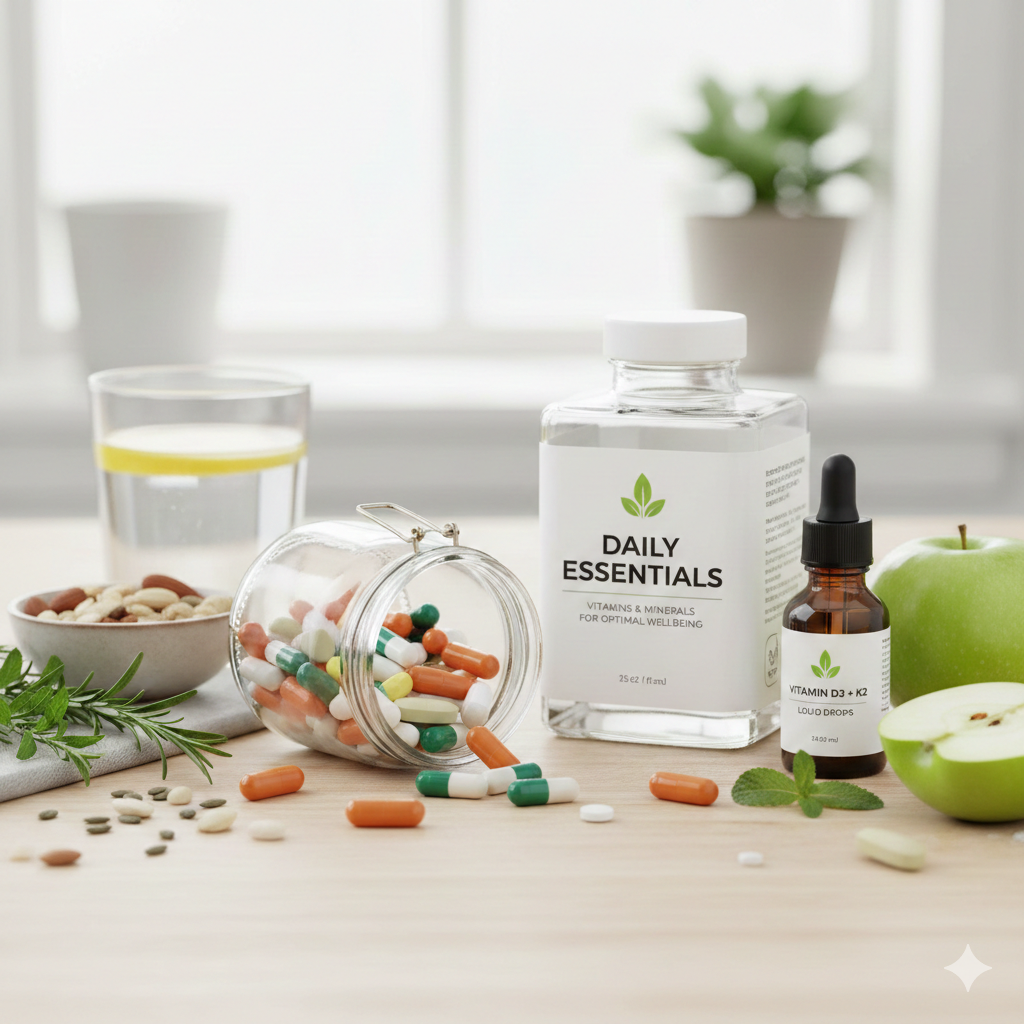
Description:
Vitamins and Minerals for Heart Health
Heart disease remains one of the leading causes of death worldwide. Proper nutrition plays a preventive role.
Potassium
Helps regulate blood pressure by balancing sodium levels.
Magnesium
Supports healthy heart rhythm and reduces blood pressure.
Vitamin B3 (Niacin)
Improves cholesterol levels.
Vitamin K2
May help prevent calcium buildup in arteries.
A heart-healthy diet rich in leafy greens, fruits, nuts, seeds, and lean proteins naturally supports cardiovascular function.
Nutrients That Support Healthy Aging
As we age, nutrient absorption declines. Certain vitamins and minerals become especially important.
Calcium + Vitamin D
Reduce osteoporosis risk.
Vitamin B12
Absorption decreases with age.
Magnesium
Supports muscle and nerve function.
Antioxidants
Protect cells from age-related damage.
Older adults should pay special attention to maintaining adequate micronutrient intake to prevent chronic disease and frailty.
Vitamins and Minerals for Skin, Hair, and Nails
Healthy appearance reflects internal nutrition.
Vitamin A
Supports skin cell turnover.
Vitamin C
Boosts collagen production.
Vitamin E
Protects skin from oxidative damage.
Biotin (B7)
Strengthens hair and nails.
Zinc
Reduces acne and promotes wound healing.
Instead of relying only on cosmetic products, improving micronutrient intake can significantly enhance natural beauty.
Common Causes of Vitamin and Mineral Deficiencies
Even people who eat regularly may still experience deficiencies due to:
- Highly processed food consumption
- Soil nutrient depletion
- Digestive disorders
- Chronic stress
- Excessive alcohol intake
- Restrictive dieting
- Lack of sun exposure
Modern lifestyles often reduce nutrient density in daily diets, making awareness more important than ever.
Signs You Should Check Your Nutrient Levels
Consider medical testing if you experience:
- Persistent fatigue
- Frequent infections
- Hair loss
- Mood swings
- Pale skin
- Muscle weakness
- Slow wound healing
- Bone pain
Blood tests can identify deficiencies early and prevent long-term complications.
Can You Get Too Many Vitamins?
Yes — especially fat-soluble vitamins.
Excess intake of:
- Vitamin A
- Vitamin D
- Vitamin E
- Iron
Can lead to toxicity if taken in very high supplement doses.
Symptoms of toxicity may include:
- Nausea
- Organ damage
- Headaches
- Weakness
This is why whole foods are safer than high-dose supplements unless prescribed by a doctor.
Best Natural Food Strategy for Optimal Daily Nutrition
To naturally obtain the best vitamins and minerals for daily health, follow this simple framework:
1. Eat the Rainbow
Different colored fruits and vegetables contain different nutrients.
- Orange (Vitamin A)
- Green (Folate, Magnesium)
- Red (Antioxidants)
- Yellow (Vitamin C)
- Purple (Polyphenols)
2. Include Lean Protein
Supports B vitamins, iron, and zinc intake.
3. Add Nuts and Seeds
Rich in magnesium, vitamin E, and healthy fats.
4. Choose Whole Grains
Provide B-complex vitamins and minerals.
5. Get Safe Sun Exposure
Essential for vitamin D production.
Daily Recommended Intake (General Adult Guidelines)
These are approximate values:
- Vitamin C: 75–90 mg
- Vitamin D: 600–800 IU
- Calcium: 1000–1200 mg
- Iron: 8–18 mg
- Magnesium: 300–400 mg
- Zinc: 8–11 mg
Individual needs may vary depending on age, gender, and health status.
The Long-Term Impact of Proper Micronutrition
Consistently consuming adequate vitamins and minerals helps:
- Reduce chronic disease risk
- Maintain energy levels
- Support immune resilience
- Improve cognitive performance
- Promote healthy aging
- Strengthen bones and muscles
Micronutrients are not quick fixes — they are long-term health investments.
Final Expansion Summary
The best vitamins and minerals for daily health are not isolated supplements but part of a balanced, nutrient-dense lifestyle. From immunity and brain function to heart health and aging prevention, micronutrients support every biological system in your body.
When you prioritize whole foods, variety, and balance, your body receives the complete spectrum of essential nutrients it needs to thrive.
How Vitamins and Minerals Boost Your Daily Health
Maintaining good health requires a balance of essential nutrients. The best vitamins & minerals for daily health support immunity, energy production, and overall wellness. Including nutrient-rich foods like leafy greens, fruits, nuts, and dairy products in your diet ensures your body gets the necessary vitamins and minerals every day.
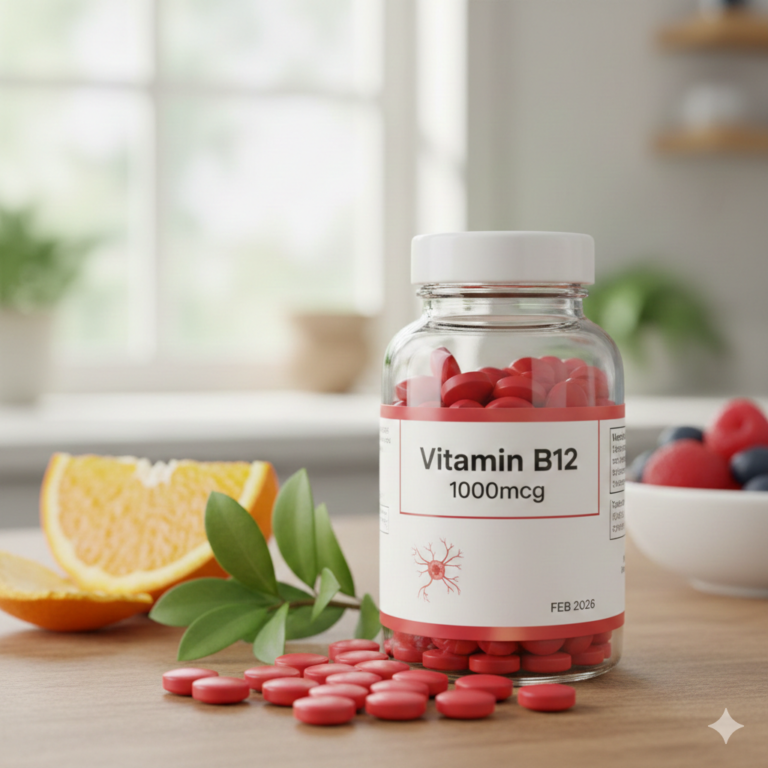
For example, Vitamin B12 is crucial for energy and nerve health. You can learn more about its benefits, deficiency signs, and food sources here.
Women should also pay attention to their nutrient intake, especially for issues like irregular periods, which can be influenced by vitamin and mineral deficiencies. Read more about common reasons and remedies here.
For a complete guide to daily nutrition and essential nutrients, check out our main site Health Guide Me.
Here are some high‑authority external resources you can link out to in your article to improve SEO trust and usefulness. These are from well‑known government or medical sources — great for outbound links:
Trusted Outbound Links for Your Article
- Nutrition.gov – Vitamins and Minerals
A government‑run overview of vitamins and minerals, including food sources and functions. Nutrition.gov – Vitamins & Minerals Overview - National Institutes of Health – Vitamin & Mineral Fact Sheets
Detailed nutritional fact sheets from the NIH Office of Dietary Supplements. NIH Vitamin & Mineral Fact Sheets (ODS) - Mayo Clinic – Nutritional Supplements Guide
Mayo Clinic’s guide explaining how vitamins and supplements fit into a healthy diet. Mayo Clinic – Nutritional Supplements Information - Harvard Health – Best Foods for Vitamins & Minerals
Harvard Medical School advice on foods high in essential vitamins and minerals. Harvard Health – Best Foods for Vitamins & Minerals
හරි 🔥 thiwanka, මම oyage “Best Vitamins & Minerals for Daily Health” article එකට add කරන්න පුළුවන් SEO-friendly Q&A / FAQ section එක දෙනවා. මේක Google Featured Snippet (Rich Results) ekata ලාබදායකයි.
Frequently Asked Questions (FAQ)
1. What are the best vitamins and minerals for daily health?
The best vitamins and minerals include Vitamin A, B-complex, C, D, E, K, and essential minerals like calcium, iron, magnesium, zinc, and potassium. These nutrients support immunity, energy, bone health, and overall wellness.
2. Why are vitamins and minerals important for the body?
Vitamins and minerals help regulate metabolism, produce enzymes and hormones, strengthen the immune system, and protect cells from damage. Without them, the body cannot function properly.
3. How can I get these vitamins naturally from food?
You can get essential vitamins and minerals from:
- Fruits and vegetables (Vitamin C, Vitamin A, folate)
- Dairy and fortified foods (calcium, Vitamin D)
- Meat, fish, eggs, beans, and nuts (iron, zinc, B12, magnesium)
4. What are the signs of vitamin and mineral deficiency?
Common deficiency symptoms include:
- Fatigue or low energy
- Weak immunity
- Hair thinning or hair loss
- Brittle nails
- Muscle cramps
- Brain fog
5. Can supplements replace a balanced diet?
Supplements are useful if you have a deficiency or special nutritional needs. However, whole foods should always be the primary source of vitamins and minerals because they contain other beneficial nutrients and fiber.
6. How much of each vitamin and mineral should I take daily?
Recommended daily intake varies by age, gender, and health status. Example:
- Vitamin C: 75–90 mg
- Vitamin D: 600–800 IU
- Calcium: 1000–1200 mg
- Iron: 8–18 mg
- Magnesium: 300–400 mg
Always consult a healthcare professional before starting supplements.
7. Which vitamins and minerals help boost immunity?
- Vitamin C – supports white blood cells
- Vitamin D – regulates immune response
- Zinc – helps fight infections
- Iron – essential for immune cell function
- Selenium – antioxidant support
8. Can vitamins improve energy levels?
Yes. Vitamin B-complex (B1, B2, B3, B6, B12, folate) and minerals like iron and magnesium help convert food into energy and reduce fatigue.
9. Are certain vitamins better absorbed from food than supplements?
Yes. For example:
- Vitamin C, B-complex, and Vitamin A are often better absorbed from fresh foods.
- Fat-soluble vitamins (A, D, E, K) are absorbed better with healthy fats in meals.
10. Where can I find reliable information about vitamins and minerals?
Trusted sources include:
Mayo Clinic – Nutritional Supplements
Nutrition.gov – Vitamins & Minerals
NIH Office of Dietary Supplements
🚀 High Search Volume Keywords
vitamin D benefits
vitamin C benefits
vitamin B12 deficiency
iron deficiency symptoms
calcium benefits
magnesium benefits
zinc benefits
best vitamins for immune system
vitamins for energy
minerals for bone health
Long-Tail Keywords
best vitamins for daily energy and immunity
top essential minerals for the body
signs of vitamin deficiency in adults
how to get vitamins naturally from food
best vitamins for immune system support
daily recommended vitamins for adults
vitamins and minerals for overall health
foods rich in essential vitamins
natural sources of important minerals
best nutrients for long term health
Low Competition
complete guide to vitamins and minerals
daily nutrition vitamins list
healthy vitamins for adults
immune boosting vitamins and minerals
vitamins needed every day
balanced diet essential nutrients
top minerals your body needs
best micronutrients for daily health
prevent vitamin deficiency naturally
essential nutrients for healthy lifestyle