
Work-Life Balance for Healthy Living: The Ultimate Guide to a Balanced, Energized, and Fulfilling Life

Introduction
In today’s fast-paced world, achieving work-life balance has become more challenging than ever. With smartphones, remote work, social media, and constant connectivity, the boundary between professional responsibilities and personal life is increasingly blurred. Many people feel overwhelmed, stressed, and exhausted—often sacrificing their health in the process.
Work-life balance is not about working less or avoiding responsibility. Instead, it is about managing your time, energy, and priorities in a way that supports both your career success and your physical, mental, and emotional well-being.
In this comprehensive guide, you will learn:
- What work-life balance truly means
- Why it is essential for healthy living
- The impact of imbalance on health
- Practical strategies to create balance
- Time management techniques
- Stress management tools
- Healthy habits for sustainable success
- How employers and employees can support balance
- Long-term benefits of a balanced lifestyle
Let’s explore how you can create a life where success and health coexist.
1. Understanding Work-Life Balance
What Is Work-Life Balance?
Work-life balance refers to the equilibrium between professional responsibilities and personal life activities such as family, health, hobbies, rest, and social relationships.
It means:
- Meeting work demands without neglecting personal needs
- Having time and energy for relationships and self-care
- Avoiding chronic stress and burnout
- Feeling satisfied in both career and personal life
Work-life balance is different for everyone. For some, it means working fewer hours. For others, it means flexible scheduling, remote work, or simply better time management.
Work-Life Integration vs. Balance
In modern workplaces, many professionals prefer the concept of “work-life integration” instead of strict separation. Integration allows work and personal responsibilities to coexist more fluidly. For example:
The concept of Work-Life Balance for Healthy Living is crucial in maintaining overall well-being in our daily lives.
- Working remotely while managing family needs
- Taking short breaks for exercise during the workday
- Adjusting schedules for personal commitments
The key is not rigid division but healthy boundaries.
2. Why Work-Life Balance Is Essential for Healthy Living
1. Protects Physical Health
Chronic overwork increases the risk of:
- High blood pressure
- Heart disease
- Obesity
- Sleep disorders
- Weakened immune system
Long hours sitting at desks, irregular meals, and lack of exercise further contribute to health problems.
2. Supports Mental Health
Poor work-life balance can lead to:
- Anxiety
- Depression
- Emotional exhaustion
- Irritability
- Burnout
Maintaining balance reduces stress and enhances mental clarity and emotional stability.
3. Improves Productivity
Contrary to popular belief, working longer hours does not always mean higher productivity. Well-rested individuals:
- Focus better
- Make fewer mistakes
- Think more creatively
- Solve problems efficiently
Balanced individuals work smarter—not just longer.
4. Strengthens Relationships
Healthy living includes meaningful relationships. When work consumes all your time:
- Family relationships suffer
- Friendships weaken
- Social isolation increases
Balanced living allows you to nurture important connections.
5. Increases Life Satisfaction
True success includes:
- Career growth
- Physical wellness
- Emotional stability
- Social fulfillment
- Personal growth
Work-life balance helps you enjoy all aspects of life, not just professional achievements.
3. Signs You Have Poor Work-Life Balance
Many people do not realize they are out of balance. Watch for these warning signs:
- Constant fatigue
- Difficulty sleeping
- Frequent headaches
- Irritability
- Lack of time for hobbies
- Missing family events
- Feeling guilty when not working
- Checking emails late at night
- Reduced productivity
- Emotional detachment
Recognizing imbalance is the first step toward change.
4. The Impact of Imbalance on Health
Physical Consequences
Chronic stress triggers the release of cortisol, which:
- Raises blood pressure
- Increases blood sugar levels
- Promotes weight gain
- Weakens immunity
Over time, this increases the risk of chronic diseases.
Emotional Consequences
Work overload can cause:
- Emotional numbness
- Loss of motivation
- Feelings of helplessness
- Reduced confidence
Behavioral Consequences
Imbalance often leads to unhealthy coping habits:
- Overeating
- Alcohol abuse
- Smoking
- Lack of exercise
- Social withdrawal
Healthy living requires conscious effort to avoid these patterns.
5. Strategies to Achieve Work-Life Balance
1. Set Clear Boundaries
- Define your working hours
- Avoid checking work emails after hours
- Communicate availability to colleagues
- Create a dedicated workspace at home
Boundaries protect your personal time.
2. Prioritize Tasks
Use the priority matrix:
- Urgent and important
- Important but not urgent
- Urgent but not important
- Neither urgent nor important
Focus on what truly matters.
3. Learn to Say No
Overcommitment leads to stress. Politely decline tasks that:
- Do not align with your priorities
- Overload your schedule
- Are unnecessary
Saying no protects your energy.
4. Schedule Personal Time
Treat personal activities like important meetings:
- Exercise sessions
- Family dinners
- Relaxation time
- Hobbies
Put them on your calendar.
5. Take Regular Breaks
Short breaks:
- Improve concentration
- Reduce mental fatigue
- Boost creativity
Try the 50–10 rule: 50 minutes work, 10 minutes break.
6. Time Management Techniques for Balance
1. The Eisenhower Matrix
Categorize tasks based on urgency and importance to eliminate time-wasting activities.
2. Time Blocking
Divide your day into blocks for:
- Deep work
- Meetings
- Exercise
- Family time
This improves focus and efficiency.
3. The Pomodoro Technique
Work for 25 minutes, then take a 5-minute break. After four sessions, take a longer break.
4. Avoid Multitasking
Multitasking reduces productivity and increases stress. Focus on one task at a time.
7. Stress Management for Healthy Living

1. Practice Mindfulness
Mindfulness reduces anxiety and improves emotional regulation. Simple practices include:
- Deep breathing
- Meditation
- Body scanning
- Gratitude journaling
Just 10 minutes daily can make a difference.
2. Exercise Regularly
Physical activity:
- Reduces stress hormones
- Improves mood
- Boosts energy
- Enhances sleep
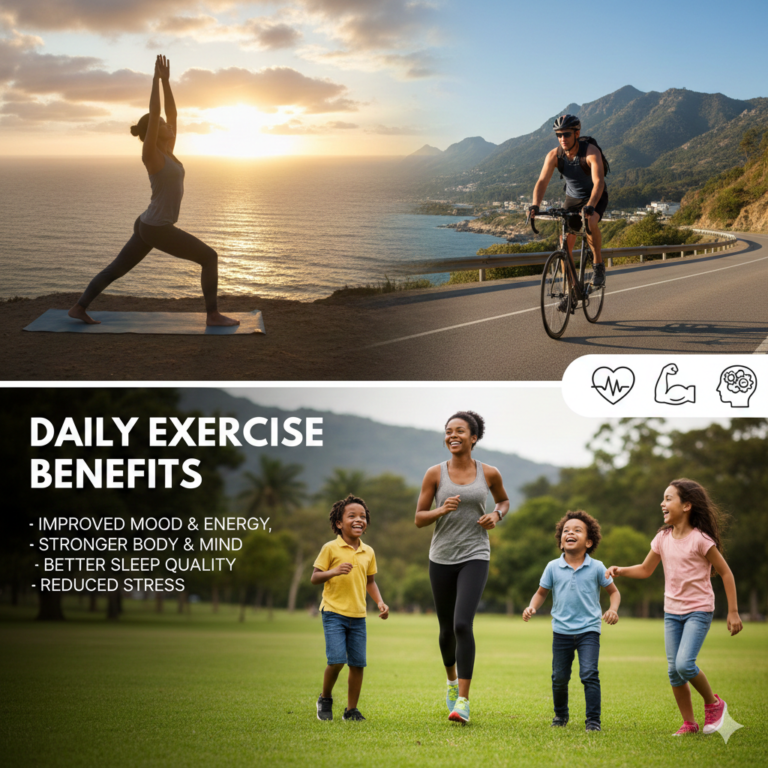
Aim for at least 30 minutes of moderate exercise most days.
3. Get Quality Sleep
Sleep is essential for:
- Brain function
- Immune health
- Emotional regulation
Adults should aim for 7–9 hours per night.
4. Maintain Social Connections
Healthy relationships reduce stress and provide emotional support.
8. Healthy Habits That Support Work-Life Balance
Nutrition
Eat balanced meals:
- Fruits and vegetables
- Lean proteins
- Whole grains
- Healthy fats
Avoid excessive caffeine and processed foods.
Hydration
Drink enough water to maintain energy and focus.
Digital Detox
Limit screen time outside work hours. Avoid social media overload.
Hobbies and Recreation
Engage in activities you enjoy:
- Reading
- Gardening
- Music
- Sports
- Creative arts
Hobbies recharge your mind.
9. Work-Life Balance in Remote Work
Remote work offers flexibility but also challenges:
- Blurred boundaries
- Longer working hours
- Social isolation
Tips for remote balance:
- Start and end work at fixed times
- Take outdoor breaks
- Avoid working from bed
- Stay connected with colleagues
10. Role of Employers in Promoting Balance
Organizations can support employees by:
- Offering flexible schedules
- Encouraging vacation time
- Limiting after-hours communication
- Promoting wellness programs
- Providing mental health support
Healthy employees improve company performance.
11. Work-Life Balance for Different Life Stages
Young Professionals
Focus on skill development while maintaining social life and self-care.
Parents
Balance childcare responsibilities with career goals through planning and support systems.
Mid-Career Professionals
Avoid burnout by reassessing goals and delegating responsibilities.
Older Adults
Prioritize health and meaningful engagement as retirement approaches.
12. Long-Term Benefits of Work-Life Balance
- Lower risk of chronic disease
- Improved emotional resilience
- Higher productivity
- Stronger relationships
- Greater life satisfaction
- Sustainable career success
Balanced living is not temporary—it is a lifelong commitment.
13. Creating Your Personal Work-Life Balance Plan
Follow these steps:
- Assess your current situation
- Identify stress triggers
- Set realistic goals
- Create a weekly schedule
- Track progress
- Adjust when necessary
Consistency matters more than perfection.
Conclusion
Work-life balance is not a luxury—it is a necessity for healthy living. In a world that constantly demands more time, attention, and energy, protecting your health must be a priority.
True success is not measured only by career achievements but by overall well-being. By setting boundaries, managing time wisely, practicing self-care, and maintaining meaningful relationships, you can create a life that is both productive and fulfilling.
Start today. Even small changes—like taking a daily walk, turning off notifications after work, or spending quality time with family—can transform your life.
A balanced life is a healthy life. And a healthy life is the foundation of lasting success and happiness.
0 messages remaining.Start a free Plus trial to keep the conversation going
Try Plus free
Part 1 – Understanding Work-Life Balance
What Is Work-Life Balance?
Work-life balance is the ability to divide your time and energy between professional responsibilities and personal activities such as family, hobbies, health, and relaxation. It is not about avoiding work but managing it so that both career and personal life flourish.
Why Balance Matters
- Physical Health: Too much work leads to fatigue, poor sleep, and chronic diseases.
- Mental Health: Reduced stress and better emotional well-being.
- Relationships: Time for family, friends, and social activities strengthens bonds.
- Productivity: Balanced individuals focus better, work smarter, and make fewer mistakes.
Signs of Poor Balance
- Constant fatigue and headaches
- Irritability and mood swings
- Checking work emails after hours
- Missing social or family events
Recognizing these signs is the first step toward achieving balance.
Part 2 – Practical Strategies for Balance
1. Set Boundaries
Define work hours clearly. Avoid checking emails or taking calls after hours. Use a dedicated workspace if possible.
2. Prioritize Tasks
Focus on tasks that are important and urgent first. Avoid overloading your schedule with non-essential tasks.
3. Learn to Say No
Don’t take on more than you can handle. Saying no politely protects your energy and prevents burnout.
4. Schedule Personal Time
Allocate time for exercise, hobbies, relaxation, and family. Treat these like important appointments.
5. Take Regular Breaks
Short breaks during work improve focus and prevent mental fatigue. For example, work for 50 minutes, then take a 10-minute break.
Part 3 – Healthy Habits and Stress Management
Exercise and Physical Activity
- Engage in at least 30 minutes of moderate exercise most days.
- Exercise reduces stress hormones and improves mood.
Mindfulness and Relaxation
- Practice meditation, deep breathing, or journaling.
- Mindfulness improves focus and emotional stability.
Nutrition and Sleep
- Eat balanced meals with fruits, vegetables, lean proteins, and whole grains.
- Prioritize 7–9 hours of quality sleep per night.
Digital Detox and Hobbies
- Limit screen time after work.
- Engage in hobbies like reading, music, gardening, or sports to recharge mentally.
10 Powerful Work-Life Balance Tips for Healthy Living
Introduction
Maintaining a proper work-life balance for healthy living has become increasingly important in today’s busy world. Many people work long hours, spend excessive time on digital devices, and often forget to take care of their health.
A balanced lifestyle helps improve mental health, productivity, and overall well-being. When people manage their time effectively between work, family, and personal health, they are more likely to live a happier and healthier life.
If you are interested in learning more about maintaining a healthy lifestyle, you can also explore helpful health resources on our website such as https://healthguideme.com/.
1. What Is Work-Life Balance?
Work-life balance refers to the ability to manage professional responsibilities while still having enough time for personal life, health, and relationships.
A balanced life means:
- Spending quality time with family
- Maintaining physical health
- Managing stress effectively
- Having time for hobbies and relaxation
Without balance, people may experience burnout, fatigue, and poor health.
2. Why Work-Life Balance Is Important for Healthy Living
Achieving balance between work and personal life has many benefits.
Better Mental Health
Constant work pressure increases anxiety and stress. A balanced lifestyle helps the mind relax and recover.
Improved Physical Health
When people maintain balance, they are more likely to exercise regularly. Activities such as yoga can significantly improve physical and mental well-being. If you want to learn effective yoga techniques, check this guide on
https://healthguideme.com/yoga-for-weight-loss/.
Stronger Relationships
Work-life balance allows people to spend quality time with loved ones, strengthening emotional connections.
3. Signs of Poor Work-Life Balance
Many individuals fail to notice when their lives become unbalanced. Here are some common warning signs:
- Constant fatigue
- Difficulty sleeping
- Lack of motivation
- Missing family events
- Feeling stressed most of the time
Recognizing these signs early can help prevent serious health problems.
4. Healthy Habits That Improve Work-Life Balance
Developing healthy daily habits plays a major role in maintaining balance.
Regular Exercise
Physical activity keeps the body energetic and reduces stress.
Balanced Nutrition
Eating healthy foods improves focus and energy levels.
Proper Sleep
Getting enough sleep helps the body recover and improves productivity.
Natural Remedies
Sometimes small health problems can affect daily productivity. Using natural solutions can help maintain wellness. You can learn useful natural treatments in this guide about
https://healthguideme.com/home-remedies-for-common-diseases/.
5. Time Management for a Balanced Life
Good time management helps reduce stress and improve efficiency.
Here are some effective techniques:
- Create a daily schedule
- Prioritize important tasks
- Avoid multitasking
- Take regular breaks
When people manage their time wisely, they can complete work efficiently and still enjoy personal life.
6. Stress Management Techniques
Managing stress is essential for maintaining work-life balance.
Some effective methods include:
- Meditation
- Deep breathing exercises
- Regular physical activity
- Spending time in nature
- Practicing gratitude
These activities help calm the mind and improve emotional well-being.
7. Benefits of Work-Life Balance
People who maintain a balanced lifestyle experience several long-term benefits:
- Better mental health
- Higher productivity
- Improved relationships
- Lower risk of chronic diseases
- Greater life satisfaction
A balanced life allows individuals to perform better at work while also enjoying personal happiness.
According to the World Health Organization (WHO), maintaining mental health and reducing stress are essential for overall well-being and long-term health.
https://www.who.int/news-room/fact-sheets/detail/mental-health-strengthening-our-response
1. What Is Work-Life Balance?
Work-life balance refers to the ability to effectively manage your professional responsibilities while also maintaining time for personal life, family, health, and relaxation.
A balanced lifestyle allows individuals to:
- Maintain good physical health
- Spend time with loved ones
- Reduce stress levels
- Improve focus and productivity
Without balance, people often experience burnout, fatigue, and emotional exhaustion.
2. Why Work-Life Balance Is Important for Healthy Living
Maintaining a proper balance between work and personal life provides many benefits.
Better Mental Health
Too much work pressure can increase stress and anxiety. Research from Harvard Health Publishing shows that managing stress and maintaining healthy routines can significantly improve mental health and overall well-being.
https://www.health.harvard.edu/staying-healthy
Improved Physical Health
Regular physical activity plays a major role in maintaining a healthy lifestyle. One effective way to improve both mental and physical health is through yoga. If you want to learn simple yoga techniques, check this guide:
https://healthguideme.com/yoga-for-weight-loss/
Stronger Relationships
Balancing work with personal life allows people to spend meaningful time with family and friends, strengthening emotional bonds.
3. Signs of Poor Work-Life Balance
Many individuals do not realize when their work begins to negatively affect their personal life. Some common warning signs include:
- Constant fatigue
- Difficulty sleeping
- Feeling stressed most of the time
- Lack of motivation
- Missing family or social events
Recognizing these signs early can help prevent long-term health problems.
4. Healthy Habits That Improve Work-Life Balance
Developing healthy habits can greatly improve work-life balance.
Exercise Regularly
Physical activity improves mood, increases energy levels, and reduces stress.
Eat Healthy Foods
Balanced nutrition provides the body with essential nutrients needed for daily activities.
Get Enough Sleep
Sleep is essential for maintaining brain function and emotional stability.
Use Natural Remedies for Minor Health Issues
Many common health problems can be managed using natural remedies. You can explore helpful treatments in this guide:
https://healthguideme.com/home-remedies-for-common-diseases/
5. Time Management Techniques
Effective time management is one of the most important skills for achieving work-life balance.
Here are some useful techniques:
- Prioritize important tasks
- Create daily schedules
- Avoid multitasking
- Take regular breaks
According to experts at the Mayo Clinic, stress management techniques such as proper planning, exercise, and relaxation methods can significantly improve overall health and productivity.
https://www.mayoclinic.org/healthy-lifestyle/stress-management
6. Stress Management for a Balanced Life
Managing stress is crucial for maintaining both physical and mental health.
Some effective stress management methods include:
- Meditation and mindfulness
- Deep breathing exercises
- Regular exercise
- Spending time in nature
- Practicing gratitude
These techniques help calm the mind and improve emotional stability.
7. Benefits of Work-Life Balance
People who successfully maintain work-life balance enjoy several long-term benefits:
- Better mental health
- Improved productivity
- Stronger relationships
- Reduced risk of chronic diseases
- Greater life satisfaction
Maintaining balance allows individuals to perform better at work while also enjoying a fulfilling personal life.