Phone Addiction and Its Effects on Human Health
Introduction

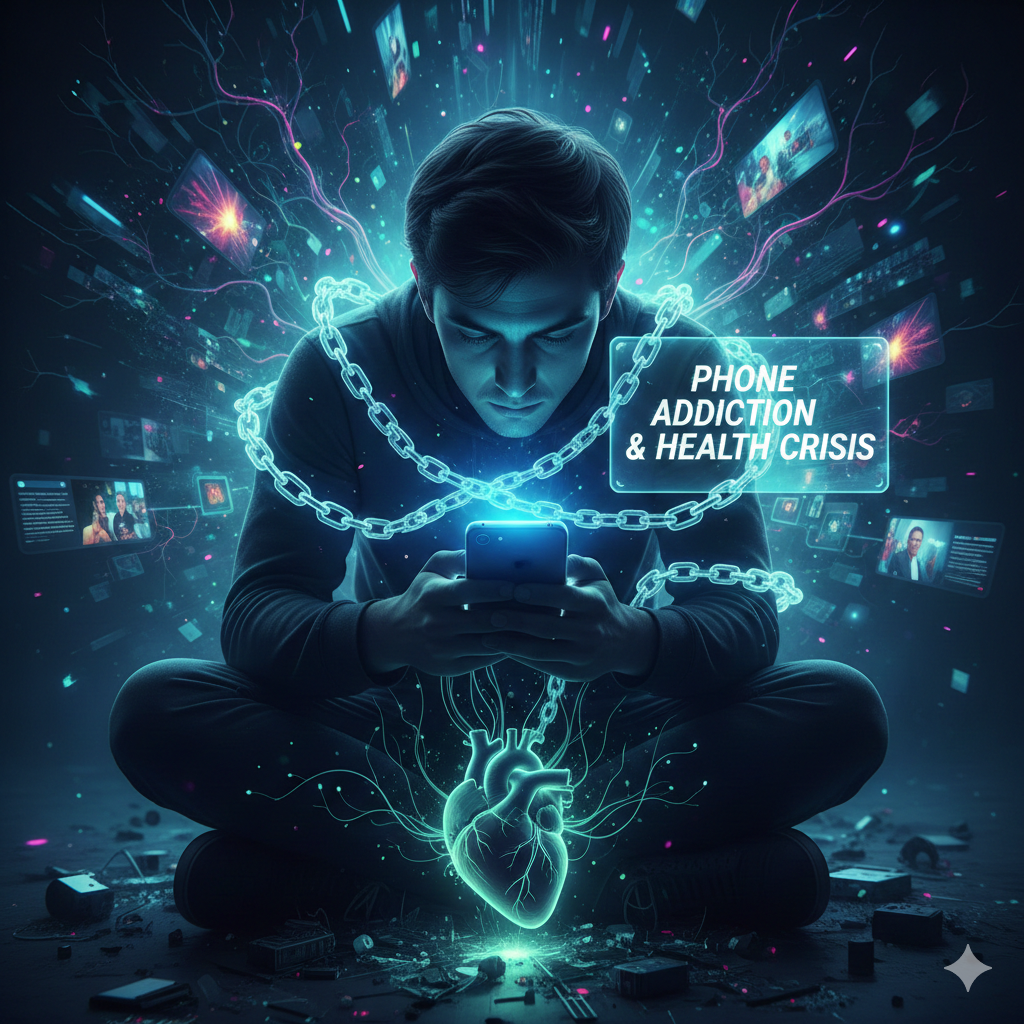
In the modern digital era, smartphones have become an inseparable part of daily life. They serve as tools for communication, education, entertainment, business, and social interaction. While mobile phones offer undeniable benefits, excessive and uncontrolled use has led to a growing global concern known as phone addiction or smartphone addiction. This behavioral addiction is increasingly affecting people of all ages, from children and teenagers to adults and the elderly.
Phone addiction refers to the compulsive use of smartphones to the extent that it interferes with daily activities, mental well-being, physical health, and social relationships. Unlike substance addiction, phone addiction is often socially accepted and even encouraged, making it harder to recognize and address. However, numerous scientific studies now highlight the serious health effects associated with excessive smartphone usage.
This article explores phone addiction in detail, focusing on its physical health effects, mental health consequences, social and behavioral impacts, and long-term risks. It also discusses preventive strategies and healthier digital habits to reduce smartphone dependency.
Understanding Phone Addiction
What Is Phone Addiction?
Phone addiction is a form of behavioral addiction characterized by excessive, compulsive smartphone use despite negative consequences. Individuals addicted to their phones feel an uncontrollable urge to check notifications, scroll through social media, play mobile games, or consume digital content continuously.
Common signs of phone addiction include:
- Feeling anxious or irritable without the phone
- Constantly checking the phone without a specific purpose
- Using the phone for long hours, even during meals or social interactions
- Difficulty concentrating on tasks without checking the phone
- Neglecting responsibilities due to phone use
Why Are Smartphones So Addictive?
Smartphones are designed to capture and maintain user attention. Features such as notifications, likes, comments, infinite scrolling, and personalized content trigger dopamine release in the brain. Dopamine is a neurotransmitter associated with pleasure and reward, reinforcing repeated behavior.
Over time, this dopamine-driven cycle conditions the brain to seek constant stimulation from the phone, leading to habitual and addictive usage patterns.
Physical Health Effects of Phone Addiction
1. Eye Strain and Vision Problems
One of the most common physical health effects of phone addiction is digital eye strain, also known as computer vision syndrome. Prolonged screen exposure can cause:
- Dry eyes
- Blurred vision
- Eye fatigue
- Headaches
- Sensitivity to light
Smartphone screens emit blue light, which can penetrate deep into the eye and potentially damage retinal cells over time. Long-term exposure to blue light may increase the risk of eye diseases such as macular degeneration.
2. Sleep Disorders and Insomnia
Phone addiction has a significant negative impact on sleep quality. Using smartphones before bedtime disrupts the natural sleep-wake cycle by suppressing melatonin production, the hormone responsible for sleep regulation.
Health consequences of sleep disruption include:
- Insomnia
- Poor sleep quality
- Daytime fatigue
- Reduced cognitive performance
- Increased risk of chronic diseases
Many individuals stay awake late at night scrolling through social media or watching videos, leading to sleep deprivation and long-term health problems.
3. Neck, Shoulder, and Back Pain (Text Neck)
Excessive smartphone use often involves poor posture, such as bending the neck forward while looking at the screen. This condition, commonly known as text neck, puts excessive strain on the cervical spine.
Common musculoskeletal problems include:
- Chronic neck pain
- Shoulder stiffness
- Upper back pain
- Spinal misalignment
- Reduced mobility
Over time, these posture-related issues can develop into long-term musculoskeletal disorders.
4. Hand and Wrist Problems
Continuous typing, scrolling, and gaming on smartphones can lead to repetitive strain injuries. Common conditions include:
- Carpal tunnel syndrome
- Tendinitis
- Thumb pain (sometimes called “smartphone thumb”)
- Wrist stiffness
These conditions can cause pain, numbness, and reduced hand function, affecting daily activities and work productivity.
5. Reduced Physical Activity and Obesity
Phone addiction encourages a sedentary lifestyle. People spend long hours sitting or lying down while using their phones, reducing overall physical activity.
Health risks associated with inactivity include:
- Weight gain and obesity
- Cardiovascular diseases
- Type 2 diabetes
- Poor muscle strength
- Reduced metabolism
Children and teenagers are particularly vulnerable, as excessive screen time can replace outdoor play and physical exercise.
Mental Health Effects of Phone Addiction
1. Anxiety and Stress
Excessive phone use is strongly linked to increased anxiety levels. Constant notifications, messages, and online interactions create a sense of urgency and pressure to respond immediately.
People with phone addiction often experience:
- Fear of missing out (FOMO)
- Social comparison anxiety
- Information overload
- Chronic stress
This constant mental stimulation prevents the brain from resting, leading to emotional exhaustion.
2. Depression
Numerous studies have found a correlation between phone addiction and depression. Excessive social media use can lead to feelings of inadequacy, loneliness, and low self-esteem due to unrealistic comparisons with others.
Symptoms may include:
- Persistent sadness
- Loss of interest in activities
- Feelings of worthlessness
- Emotional numbness
Although smartphones aim to connect people, excessive use can paradoxically increase feelings of isolation.
3. Attention Deficit and Reduced Concentration
Phone addiction significantly affects attention span and cognitive performance. Frequent interruptions from notifications make it difficult to focus on tasks for extended periods.
Negative effects include:
- Reduced productivity
- Poor academic performance
- Difficulty concentrating
- Memory problems
Constant multitasking between apps trains the brain to seek instant gratification rather than sustained focus.
4. Emotional Instability and Irritability
People addicted to their phones often become emotionally dependent on digital interactions. When separated from their phones, they may experience:
- Irritability
- Restlessness
- Mood swings
- Frustration
This emotional dependence can interfere with emotional regulation and mental resilience.
Social and Behavioral Effects of Phone Addiction
1. Relationship Problems
Excessive phone use can damage personal relationships. Many people prioritize their phones over face-to-face interactions, leading to emotional distance and misunderstandings.
Common issues include:
- Reduced communication quality
- Neglect of family and friends
- Increased conflicts
- Decreased emotional intimacy
This phenomenon is sometimes referred to as “phubbing”, where someone ignores others by focusing on their phone.
2. Social Isolation
Despite being connected digitally, phone-addicted individuals may experience social withdrawal. Online interactions often replace real-life social engagement, reducing meaningful human connections.
Over time, this isolation can negatively affect mental health and social skills.
3. Academic and Work Performance Issues
Phone addiction can significantly impact academic and professional life. Excessive phone use during study or work hours leads to:
- Reduced efficiency
- Missed deadlines
- Poor performance
- Lack of motivation
Students may struggle with learning, while employees may experience reduced job productivity.
Long-Term Health Risks of Phone Addiction
If left unaddressed, phone addiction can contribute to long-term health complications, including:
- Chronic mental health disorders
- Long-term sleep disturbances
- Cardiovascular risks due to inactivity
- Postural deformities
- Reduced quality of life
The cumulative effect of physical, mental, and social health issues can significantly impact overall well-being.
Phone Addiction in Children and Teenagers
Children and adolescents are particularly vulnerable to phone addiction due to developing brains and limited self-control. Excessive smartphone use can affect:
- Brain development
- Emotional regulation
- Social skills
- Academic performance
Early exposure to screens may increase the risk of long-term addiction and mental health problems in adulthood.
Prevention and Management of Phone Addiction
1. Setting Screen Time Limits
Using screen time tracking tools can help individuals monitor and reduce phone usage. Setting daily limits encourages mindful use.
2. Digital Detox
Regular digital detox periods, such as phone-free hours or days, allow the brain to reset and reduce dependency.
3. Improving Sleep Hygiene
Avoiding phone use at least one hour before bedtime can significantly improve sleep quality. Using blue light filters may also help.
4. Engaging in Physical Activities
Replacing screen time with physical exercise improves both physical and mental health. Activities such as walking, sports, and yoga are beneficial.
5. Mindful Phone Use
Practicing mindful phone usage involves being aware of when and why you use your phone. Reducing unnecessary notifications can decrease compulsive checking.
Conclusion
Phone addiction is a growing public health concern with serious physical, mental, and social health implications. While smartphones offer numerous benefits, excessive use can disrupt sleep, increase stress, damage relationships, and reduce overall quality of life.
Addressing phone addiction requires awareness, self-discipline, and healthier digital habits. By setting boundaries, prioritizing real-life interactions, and promoting balanced smartphone use, individuals can protect their health and well-being in an increasingly digital world.
Smartphones should be tools that enhance life—not control it.
1. Mental Health Problems Caused by Phone Addiction
One of the most alarming effects of phone addiction is its impact on mental health. Constant notifications, social media pressure, and information overload can increase stress and anxiety levels.
Studies by the American Psychological Association (APA) show that excessive screen time is strongly linked to anxiety, depression, and emotional exhaustion. Social media comparison and the fear of missing out (FOMO) further worsen mental well-being.
🔗 External Resource (DoFollow):
https://www.apa.org/monitor/2019/04/screen-time
2. Sleep Disorders and Insomnia
Using smartphones before bedtime disrupts the body’s natural sleep cycle. Blue light emitted from screens suppresses melatonin production, making it harder to fall asleep.
According to the World Health Organization (WHO), poor sleep quality increases the risk of obesity, heart disease, weakened immunity, and mental health disorders.
🔗 External Resource (DoFollow):
https://www.who.int/news-room/fact-sheets/detail/sleep-and-health
3. Eye Strain and Vision Problems
Long hours spent staring at phone screens can cause digital eye strain, leading to dry eyes, blurred vision, headaches, and eye fatigue. Over time, excessive exposure to blue light may contribute to long-term vision problems.
Health experts recommend limiting screen time and taking regular breaks to protect eye health.
🔗 External Resource (DoFollow):
https://www.health.harvard.edu/staying-healthy/blue-light-has-a-dark-side
4. Neck, Back, and Posture Issues (Text Neck)
Phone addiction often leads to poor posture, especially when users bend their heads forward for long periods. This condition, known as text neck, puts excessive strain on the spine.
Long-term effects include:
- Chronic neck pain
- Shoulder stiffness
- Back pain
- Reduced spinal flexibility
Maintaining proper posture and reducing screen time can help prevent musculoskeletal problems.
🔗 External Resource (DoFollow):
https://www.spine-health.com/conditions/neck-pain/text-neck

5. Reduced Physical Activity and Weight Gain
Phone addiction promotes a sedentary lifestyle. People spend more time sitting or lying down while using their phones, reducing daily physical activity.
Lack of movement increases the risk of obesity, heart disease, and metabolic disorders. A healthy lifestyle should balance screen time with regular exercise and movement.
🔗 External Resource (DoFollow):
https://www.cdc.gov/physicalactivity/basics/index.htm
6. Hormonal Imbalance and Nutritional Neglect
Excessive phone use can indirectly affect nutrition and hormonal balance. People addicted to their phones often skip meals, eat unhealthy snacks, or ignore essential nutrients.
Maintaining proper nutrition, including vitamins and minerals, is vital for brain function and overall health. You can learn more about the role of nutrition here:
🔗 Internal Link:
https://healthguideme.com/importance-of-vitamins-and-minerals/
7. Impact on Relationships and Family Life
Phone addiction reduces face-to-face communication and emotional connection. Constant phone use during family time or social interactions can damage relationships and lead to social isolation.
Healthy relationships are essential for mental well-being and overall quality of life. Excessive screen time can also affect family planning and emotional readiness for parenthood.
🔗 Internal Link:
https://healthguideme.com/fertility-and-pregnancy-guide/
Phone Addiction and Overall Health Awareness
Understanding phone addiction is part of a broader approach to health awareness and lifestyle balance. Learning how digital habits affect the body and mind helps individuals make healthier choices.
For more health-related guidance and lifestyle tips, visit:
🔗 Internal Link:
https://healthguideme.com/