Probiotics: A Complete and In-Depth Guide to Gut Health, Immunity, and Overall Well-Being
Introduction to Probiotics
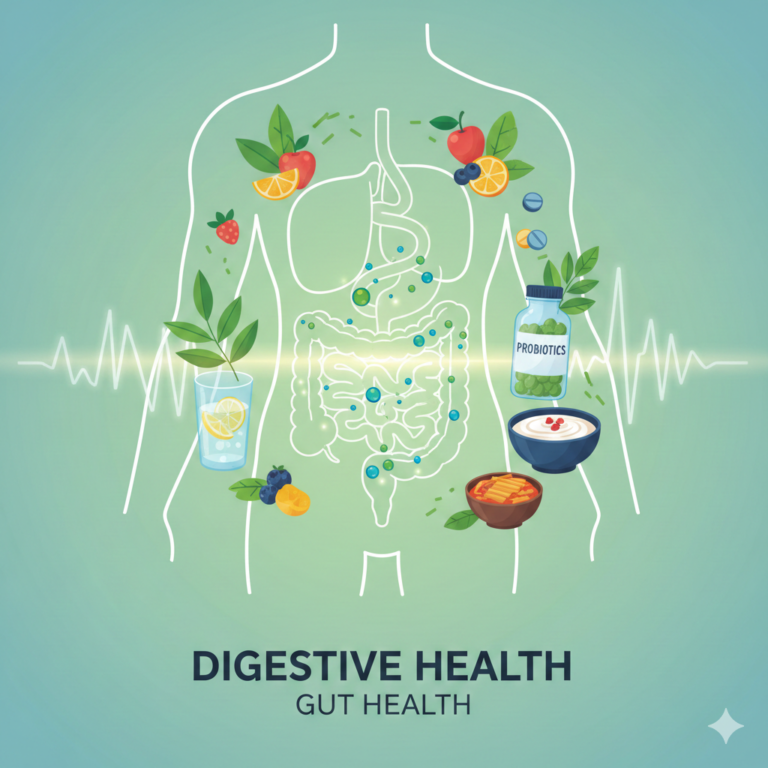
Beneficial bacteria play a crucial role in maintaining digestive balance and overall wellness. These live microorganisms support gut health, strengthen immunity, and contribute to long-term well-being. Scientific research continues to highlight their importance in modern nutrition and preventive healthcare.
Probiotics are live microorganisms, primarily beneficial bacteria and certain yeasts, that provide significant health benefits when consumed in adequate amounts. Although the word “bacteria” is often associated with disease, probiotics are the “good bacteria” that play a crucial role in maintaining the body’s natural balance and overall health.
Probiotics are especially important for the digestive system, where trillions of microorganisms live and interact with the human body. This internal ecosystem, known as the gut microbiome, influences digestion, immunity, mental health, metabolism, and even skin condition.
In recent years, probiotics have gained global attention due to their wide-ranging benefits and their role in preventive healthcare.
What Is the Gut Microbiome?
The gut microbiome refers to the community of microorganisms living in the gastrointestinal tract. These microorganisms include bacteria, fungi, viruses, and other microbes.
A healthy gut microbiome:
- Supports digestion and nutrient absorption
- Strengthens the immune system
- Protects against harmful pathogens
- Regulates inflammation
- Influences brain function and mood
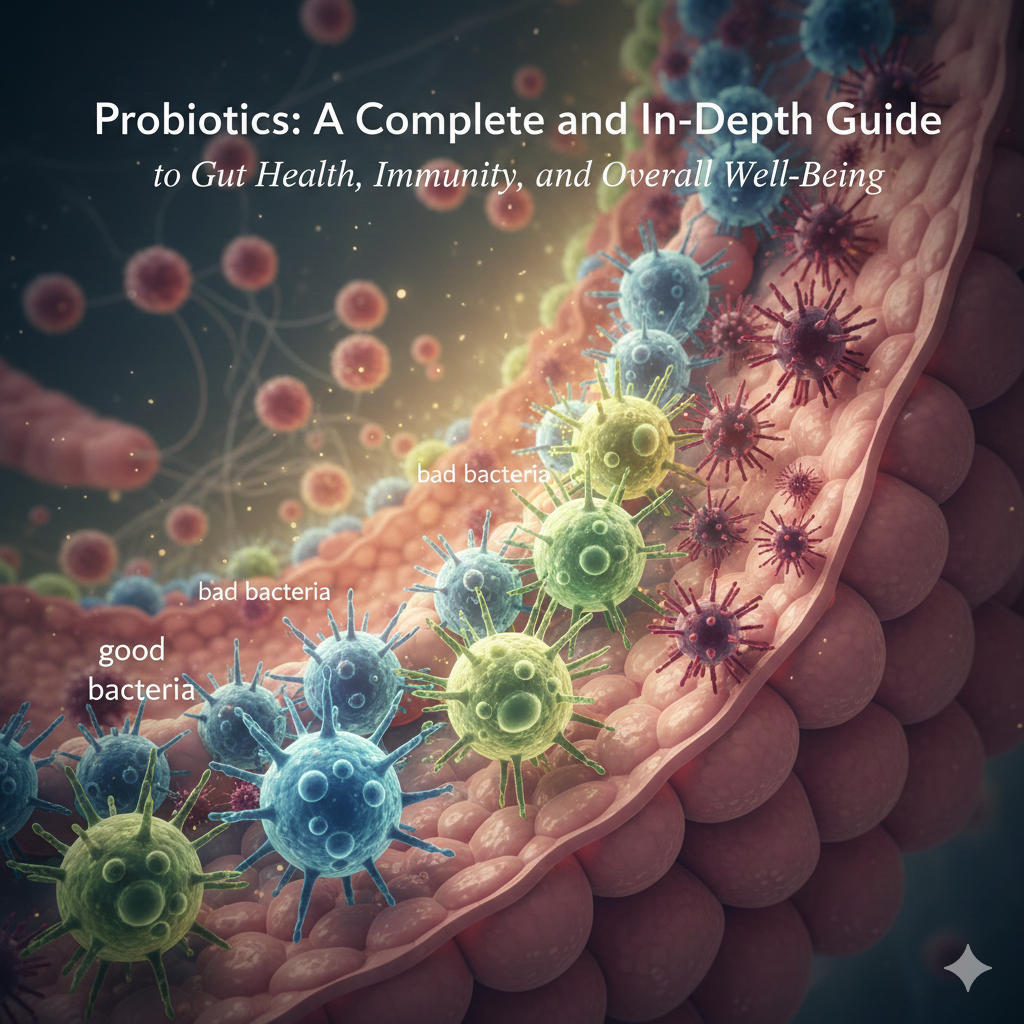
When the balance between good and bad bacteria is disturbed (a condition called dysbiosis), it can lead to digestive problems, weakened immunity, chronic inflammation, and various diseases. Probiotics help restore and maintain this balance.
Types of Probiotics
1. Lactobacillus
One of the most common probiotic strains found in fermented foods and supplements.
Benefits:
- Helps digest lactose
- Reduces diarrhea
- Improves gut health
- Supports vaginal health
2. Bifidobacterium
Commonly found in the intestines and dairy products.
Benefits:
- Improves bowel regularity
- Reduces symptoms of IBS
- Enhances immune function
3. Saccharomyces boulardii
A beneficial yeast probiotic.
Benefits:
- Prevents antibiotic-associated diarrhea
- Supports gut lining integrity
- Helps fight harmful pathogens
4. Streptococcus thermophilus
Often used in yogurt fermentation.
Benefits:
- Improves lactose digestion
- Supports gut microbiota balance
Health Benefits of Probiotics
1. Improved Digestive Health
Probiotics:
- Enhance digestion
- Reduce bloating and gas
- Prevent constipation and diarrhea
- Support nutrient absorption
They are particularly helpful for people suffering from conditions like IBS (Irritable Bowel Syndrome), acid reflux, and gastritis.
2. Strengthening the Immune System
Approximately 70% of the immune system is located in the gut. Probiotics:
- Increase the production of antibodies
- Enhance immune cell activity
- Reduce the risk of infections
Regular probiotic intake can help prevent common illnesses such as colds and flu.
3. Mental Health and the Gut–Brain Axis
The gut and brain are closely connected through the gut–brain axis.
Probiotics may:
- Reduce stress and anxiety
- Improve mood
- Lower symptoms of depression
- Enhance cognitive function
Certain probiotic strains are known as psychobiotics because of their positive effects on mental health.
4. Weight Management and Metabolism
Probiotics can influence body weight by:
- Improving metabolic efficiency
- Reducing fat storage
- Regulating appetite hormones
Some strains help control obesity and support healthy weight loss when combined with a balanced diet.
5. Skin Health
Gut health and skin health are strongly linked.
Probiotics help:
- Reduce acne
- Improve eczema and psoriasis
- Strengthen the skin barrier
- Promote a healthy glow
6. Women’s Health
Probiotics play a key role in maintaining vaginal health by:
- Preventing yeast infections
- Balancing vaginal pH
- Reducing urinary tract infections (UTIs)
Natural Food Sources of Probiotics
1. Yogurt
- Choose yogurt with “live and active cultures”
- Avoid high-sugar varieties
2. Kefir
- A fermented milk drink
- Contains more probiotic strains than yogurt
3. Fermented Vegetables
- Sauerkraut
- Kimchi
- Naturally fermented pickles
4. Tempeh
- Fermented soy product
- Rich in probiotics and protein
5. Miso
- Fermented soybean paste
- Common in Japanese cuisine
Probiotic Supplements
When natural food sources are insufficient, probiotic supplements can help.
Key Factors to Consider
- CFU count (1–10 billion CFU is ideal)
- Multiple strains
- Shelf stability
- Expiration date
When to Take Probiotics
- On an empty stomach
- Or within 30 minutes after a meal
If taking antibiotics, probiotics should be taken at least 2 hours apart.
Side Effects and Safety
Probiotics are generally safe. Mild side effects may include:
- Gas
- Bloating
- Temporary digestive discomfort
These symptoms usually disappear within a few days.
Prebiotics vs Probiotics
What Are Prebiotics?
Prebiotics are non-digestible fibers that feed beneficial bacteria.
Examples:
- Bananas
- Garlic
- Onions
- Oats
- Asparagus
Synbiotics
A combination of prebiotics and probiotics for enhanced effectiveness.
Who Should Take Probiotics?
- People with digestive disorders
- Individuals taking antibiotics
- People with low immunity
- Those experiencing chronic stress
- Individuals with skin problems
- People with poor dietary habits
Common Myths About Probiotics
❌ All bacteria are harmful
❌ Probiotics work instantly
❌ One strain works for everyone
✔️ Probiotics require consistency and proper selection.
Future of Probiotics
Scientific research continues to explore:
- Personalized probiotics
- Probiotics for chronic diseases
- Role in cancer prevention
- Anti-aging benefits
The future of probiotics lies in precision nutrition and personalized gut health solutions.
The Microscopic Powerhouse: A Guide to Probiotics
Think of your gut as a bustling metropolis. At any given moment, trillions of bacteria are working, communicating, and competing. Probiotics are the “good citizens” of this city—live microorganisms that, when consumed in adequate amounts, provide significant health benefits.
While we used to think of bacteria only as germs to be scrubbed away, we now know that a balanced “microbiome” is the foundation of human health.
1. How Probiotics Work
Probiotics don’t just sit there; they are active participants in your biology. They support your body through three primary mechanisms:
- Competitive Exclusion: They occupy space and consume nutrients, making it harder for harmful “bad” bacteria to set up shop.
- Barrier Support: They help strengthen the intestinal lining, preventing unwanted substances from “leaking” into the bloodstream (often referred to as leaky gut).
- Immunomodulation: Roughly 70-80% of your immune system resides in your gut. Probiotics interact with immune cells to keep them vigilant but not overactive (which causes inflammation).
2. Key Strains and Their Specialties
Not all probiotics are created equal. Different “strains” perform different jobs. When looking at a supplement or food label, you’ll usually see a genus, species, and strain (e.g., Lactobacillus rhamnosus GG).
| Genus | Common Use Case | Found In |
| Lactobacillus | Digestion of lactose; vaginal health. | Yogurt, Kefir |
| Bifidobacterium | Relief from IBS symptoms; respiratory health. | Sauerkraut, Miso |
| Saccharomyces | A “good” yeast; great for antibiotic-associated diarrhea. | Kombucha |
3. The Pillars of Benefit
Beyond just “fixing a stomach ache,” the ripple effects of a healthy gut touch almost every system in the body.
- Digestive Harmony: Effective for managing bloating, constipation, and diarrhea.
- Mental Well-being: The Gut-Brain Axis is a two-way street. Probiotics can influence the production of neurotransmitters like serotonin and dopamine, potentially lowering anxiety and improving mood.
- Immune Defense: Regular intake has been shown to reduce the duration of the common cold and improve vaccine response.
- Skin Health: There is emerging evidence that probiotics can help manage inflammatory conditions like acne and eczema.
4. Sourcing Your Probiotics
You can find these helpful microbes in two main ways: Whole Foods and Supplements.
Fermented Foods (The Natural Route)
- Yogurt & Kefir: Ensure the label says “Live and Active Cultures.”
- Sauerkraut & Kimchi: Look for refrigerated, unpasteurized versions (heat kills the bacteria).
- Tempeh & Miso: Great fermented soy options for plant-based diets.
Supplements (The Targeted Route)
- CFUs (Colony Forming Units): Look for 1 billion to 10 billion CFUs for general health.
- Stability: Check if the product requires refrigeration or is “shelf-stable.”
- Prebiotics: These are the food (fiber) for your probiotics. A supplement containing both is called a Synbiotic.

5. Potential Side Effects
When you first introduce probiotics, your internal “city” might go through a renovation phase. It’s common to experience:
- Temporary gas or bloating.
- Mild headaches (due to the “die-off” of bad bacteria).
Pro-Tip: Start slow. If you’re using a supplement or high-dose fermented food, introduce it every other day to let your microbiome adjust.
Would you like me to create a personalized list of probiotic-rich recipes or help you decode the label of a specific supplement you’re considering?
1. Yogurt and Curd
These are the most common and accessible sources of probiotics.
- Curd (Buffalo/Cow): Traditional Sri Lankan curd is an excellent source of live bacteria.
- Yogurt: Look for brands that specify “Live and Active Cultures” on the label. Avoid highly processed or high-sugar versions, as sugar can feed the “bad” bacteria in your gut.
2. Kefir
Kefir is a fermented milk drink (similar to a thin yogurt). It actually contains a wider variety of friendly bacteria and yeast than yogurt, making it a “super” probiotic. You can find it in large supermarkets or make it at home using kefir grains.
3. Fermented Vegetables
- Sauerkraut: Finely cut cabbage that has been fermented in its own juice and salt. It is rich in Lactobacillus.
- Kimchi: A spicy Korean dish of fermented vegetables.
- Pickles (Naturally Fermented): Note that only pickles fermented in salt and water (brine) contain probiotics. Pickles made with vinegar do not have live probiotics.
4. Kombucha
A fizzy, fermented tea (usually black or green tea). It’s a popular health drink that contains a colony of bacteria and yeast that support digestion.
5. Fermented Soy Products
- Tempeh: A fermented soybean cake that has a nutty flavor and is high in protein.
- Miso: A Japanese seasoning paste made from fermented soybeans, often used to make Miso soup.
6. Traditional Fermented Foods
Many cultures have their own versions. For example:
- Appa (Hoppers): Since the batter is fermented overnight, it contains beneficial microbes (though many are killed during the high-heat cooking process).
- Traditional Porridge (Diya Bath): Overnight soaked rice that has undergone natural fermentation is a classic local source of gut-friendly microbes.
Don’t forget the “Prebiotics”
Probiotics are living creatures, and they need food to survive. Prebiotics are types of fiber that feed your gut bacteria. To make your probiotics work better, eat plenty of:
- Garlic and Onions
- Bananas (especially slightly green ones)
- Oats
- Leafy Greens
1. Frequency (How many times?)
- 1 serving per day: This is perfect for general health. One standard cup (about 150g – 200g) provides enough live cultures to keep your microbiome balanced.
- 2 servings per day: This is usually the limit. If you are taking antibiotics or recovering from a stomach bug, a second serving (one in the morning, one in the evening) can help restore your gut faster.
2. When is the best time to eat it?
- On an empty stomach (Morning): Some experts suggest eating yogurt first thing in the morning because the stomach’s acidity is lower, which helps more “good bacteria” survive the journey to your intestines.
- As a snack: It’s an excellent mid-afternoon snack because the protein helps keep you full until dinner.
3. Things to Watch Out For
- Sugar Content: If you eat flavored “fruit” yogurts 2-3 times a day, you are consuming a lot of added sugar, which actually feeds the bad bacteria. Stick to Plain or Greek yogurt and add your own fruit or honey.
- Lactose Sensitivity: If you feel bloated or get gas after eating it, your body might be struggling with the lactose. In that case, limit it to once a day or try Buffalo Curd, which some people find easier to digest.
Conclusion
Probiotics are essential for maintaining a healthy digestive system, strong immunity, balanced mental health, and glowing skin. Whether consumed through natural foods or supplements, consistent probiotic intake can significantly improve overall well-being.
A healthy gut is the foundation of a healthy life—and probiotics are the key to nurturing it.
Probiotics and Overall Wellness
Probiotics work best when combined with a healthy lifestyle, balanced nutrition, and adequate fiber intake. They also work synergistically with prebiotics, which act as food for beneficial gut bacteria.
For more health and nutrition insights, visit trusted health resources such as
👉 https://healthguideme.com/
Conclusion
Probiotics are essential for digestive health, immune strength, mental well-being, and overall body balance. Whether obtained through natural foods or supplements, consistent probiotic intake can significantly improve quality of life.
A healthy gut is the foundation of a healthy body—and probiotics are the key to maintaining it.
🔗 Internal Links (Add at the Bottom of the Article)
- https://healthguideme.com/
- https://healthguideme.com/fertility-and-pregnancy-guide/
- https://healthguideme.com/protein-supplements-and-protein-rich-foods/
🌍 External Authority Websites (Best for Probiotics Topic)
1️⃣ World Health Organization (WHO)
2️⃣ National Institutes of Health (NIH)
3️⃣ Harvard Medical School – Gut Health
🔗 https://www.health.harvard.edu
4️⃣ Mayo Clinic – Probiotics Overview
5️⃣ Cleveland Clinic – Probiotics Benefits
🔗 https://health.clevelandclinic.org
6️⃣ Healthline – Probiotics Explained
🔹 Section: Scientific Evidence on Probiotics
Scientific research strongly supports the role of probiotics in improving gut health, immunity, and digestion. According to the World Health Organization (WHO), probiotics are defined as live microorganisms that provide health benefits when consumed in adequate amounts.
Multiple studies published by the National Institutes of Health (NIH) highlight the importance of a balanced gut microbiome in reducing inflammation, improving immune response, and supporting metabolic health.
🔹 Section: Medical Perspective on Gut Health
Leading medical institutions such as Harvard Medical School and the Mayo Clinic emphasize that probiotics can help restore gut microbiome balance, especially after antibiotic use. These institutions also note that probiotics may reduce digestive disorders such as diarrhea, bloating, and irritable bowel syndrome (IBS).
🔹 Section: Clinical Insights
According to health experts from the Cleveland Clinic, probiotics play a vital role in maintaining digestive harmony and strengthening the immune system. Trusted health platforms like Healthline also report that consistent probiotic intake supports long-term gut health and overall well-being.
🔗 BOTTOM OF ARTICLE – External Resources Section (MUST ADD)
🌍 External Resources (Recommended Reading)
- World Health Organization – Probiotics and Gut Health
https://www.who.int - National Institutes of Health – Gut Microbiome Research
https://www.nih.gov - Harvard Medical School – Digestive Health
https://www.health.harvard.edu - Mayo Clinic – Probiotics Overview
https://www.mayoclinic.org - Cleveland Clinic – Probiotics Benefits
https://health.clevelandclinic.org
Maintaining a healthy digestive system depends heavily on the balance of microorganisms living in the gut. These beneficial bacteria support digestion by breaking down complex foods, improving nutrient absorption, and protecting the intestinal lining from harmful pathogens. When this internal ecosystem is balanced, the body functions more efficiently and experiences fewer digestive disturbances.
Research shows that a diverse gut microbiome plays a crucial role in long-term wellness. Friendly gut microbes help regulate inflammation, support metabolic processes, and contribute to immune defense. A disrupted microbial balance, on the other hand, may lead to bloating, irregular bowel movements, fatigue, and reduced immunity.
Role of Beneficial Gut Bacteria in Daily Health
Live microorganisms found in fermented foods and supplements work silently behind the scenes to support everyday health. They assist the body in producing essential vitamins, regulating hormones, and maintaining a strong gut barrier. This gut barrier prevents toxins and harmful bacteria from entering the bloodstream.
In addition, gut-friendly microbes influence energy levels and mental clarity. Studies on the gut–brain connection suggest that a healthy digestive environment may help reduce stress, improve mood stability, and support better sleep quality.
Dietary Habits That Support a Healthy Microbiome
A balanced diet is essential for nurturing beneficial gut bacteria. Fiber-rich foods such as vegetables, fruits, whole grains, and legumes act as fuel for these microbes. Fermented foods also introduce live cultures that help maintain microbial diversity.
Hydration, regular meal timing, and limiting excessive sugar intake further support digestive balance. Consistency in healthy eating habits plays a more important role than short-term dietary changes.
Long-Term Wellness and Digestive Balance
Gut health is not a short-term goal but a long-term investment in overall well-being. Supporting digestive balance can positively impact immunity, heart health, skin clarity, and metabolic efficiency. Over time, a healthy microbiome contributes to reduced inflammation and better disease prevention.
Rather than focusing on a single supplement or trend, a holistic approach that includes nutrition, lifestyle balance, and gut-supportive habits delivers the best results.
Frequently Asked Questions (SEO-SAFE VERSION)
How do beneficial gut bacteria support digestion?
They help break down food, absorb nutrients efficiently, and maintain smooth bowel movements while reducing gas and bloating.
Are live microorganisms safe for daily use?
Yes, for most people they are safe when consumed through foods or quality supplements, especially when combined with a balanced diet.
How long does it take to notice digestive improvements?
Most individuals experience gradual improvements within a few weeks of consistent gut-supportive habits.
Can gut health influence immunity?
Yes, a large portion of the immune system is linked to the digestive tract, making microbial balance essential for immune defense.
Final Thoughts on Digestive Wellness
A healthy gut forms the foundation of overall health. Supporting the body with nutrient-rich foods, adequate fiber, and lifestyle balance allows beneficial microorganisms to thrive naturally. Over time, this internal harmony leads to improved digestion, stronger immunity, and better overall quality of life.