Protein Supplements: Complete Guide (In-Depth)
Protein supplements are concentrated, purified sources of dietary protein created to support people who struggle to meet their daily protein needs through food alone. While whole foods should always be the primary source of nutrition, supplements play an important supportive role in modern lifestyles.
Protein supplements are one of the most researched and widely used tools in the fitness world. Whether you’re an athlete or just someone trying to hit your daily nutritional goals, here is a breakdown of what you need to know.
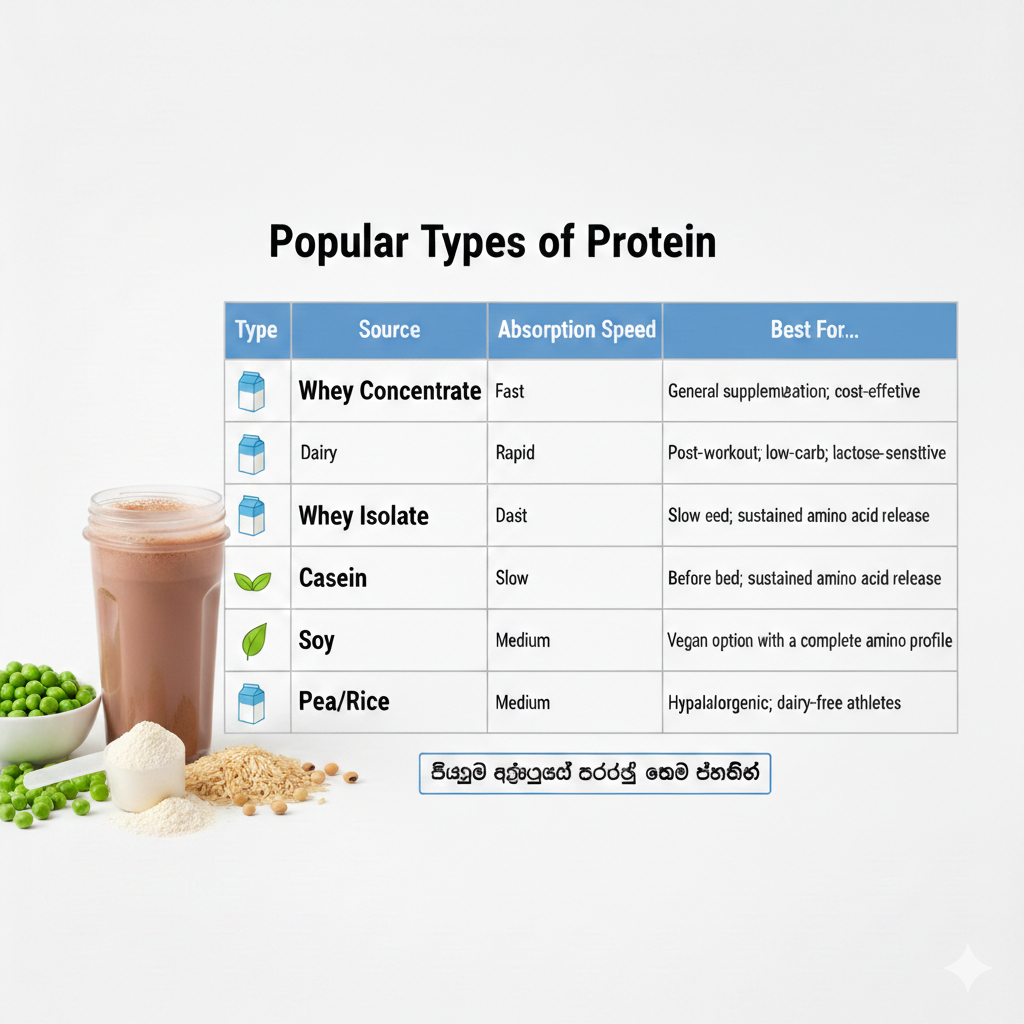
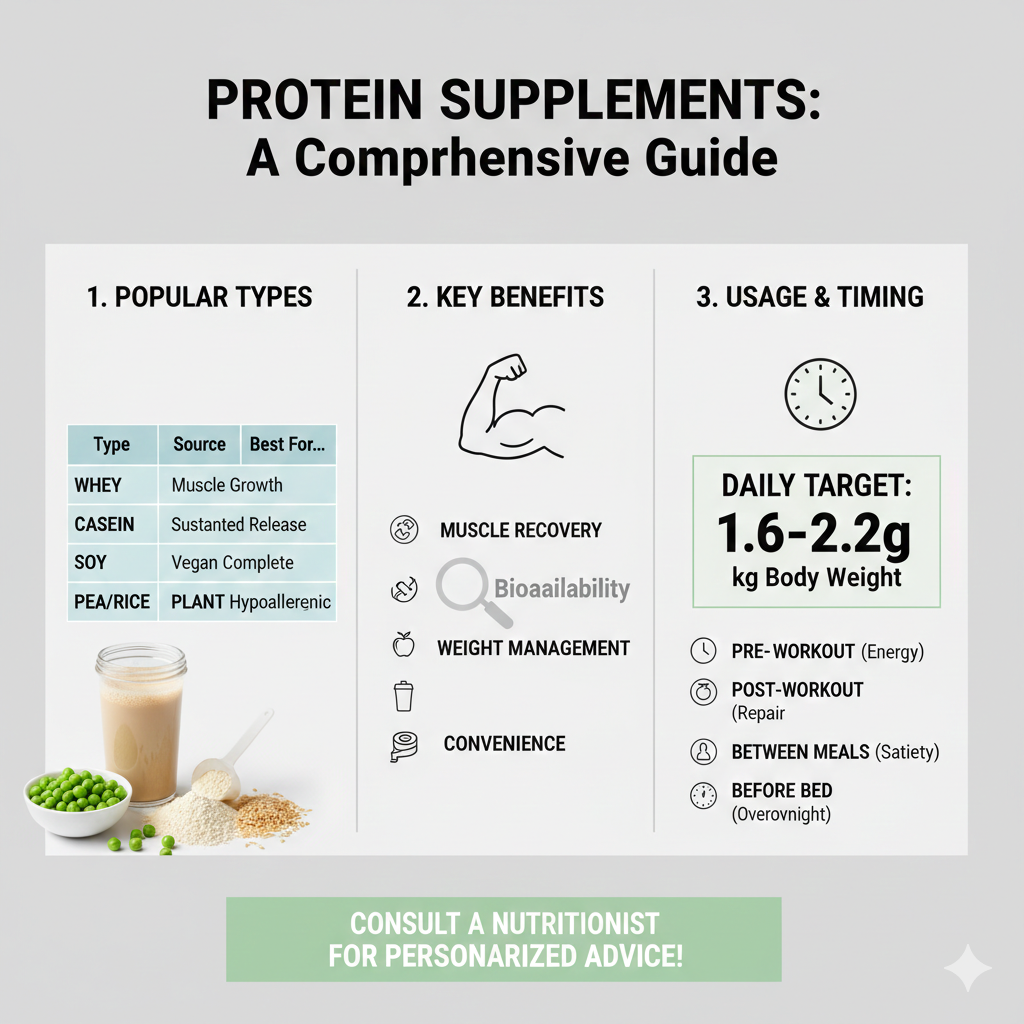
Popular Types of Protein
Not all powders are created equal. The “best” one depends entirely on your dietary needs and how your stomach handles dairy.
| Type | Source | Absorption Speed | Best For… |
| Whey Concentrate | Dairy | Fast | General supplementation; cost-effective. |
| Whey Isolate | Dairy | Rapid | Post-workout; low-carb; lactose-sensitive. |
| Casein | Dairy | Slow | Before bed; sustained amino acid release. |
| Soy | Plant | Medium | Vegan option with a complete amino profile. |
| Pea/Rice | Plant | Medium | Hypoallergenic; dairy-free athletes. |
Why Protein Supplements Exist
Modern diets, busy schedules, reduced appetite, intense training, and medical conditions can all make it difficult to consume enough protein daily. Supplements provide:
- Accurate protein dosage
- Easy digestion
- Fast preparation
- Consistent quality
They are especially useful when appetite is low or when protein needs are unusually high.
Types of Protein Supplements (Detailed)
1. Whey Protein
Whey protein is extracted from milk during the cheese-making process. It is considered the gold standard of protein supplements due to its amino acid profile and absorption speed.
Key characteristics:
- Complete protein (all 9 essential amino acids)
- Rich in BCAAs, especially leucine
- Rapid digestion and absorption
Forms of whey protein:
- Whey Concentrate: 70–80% protein, contains some lactose and fat
- Whey Isolate: 90%+ protein, very low lactose and fat
- Whey Hydrolysate: Pre-digested, fastest absorption, higher cost
Best for: Muscle building, post-workout recovery, beginners
2. Casein Protein
Casein is the slow-digesting protein found in milk. It forms a gel-like substance in the stomach, releasing amino acids gradually.
Benefits:
- Prevents muscle breakdown
- Supports overnight muscle repair
- Keeps you full longer
Best time to consume: Before sleep
3. Plant-Based Protein
Plant-based protein powders are ideal for vegetarians, vegans, and people with dairy intolerance.
Common sources:
- Pea protein
- Soy protein
- Rice protein
- Hemp protein
Advantages:
- Dairy-free and lactose-free
- Easier on digestion
- Rich in fiber and phytonutrients
Limitation: Some plant proteins lack one or more essential amino acids, except soy.
4. Egg Protein
Egg protein powder is made from dehydrated egg whites.
Benefits:
- High biological value
- Lactose-free
- Moderate digestion speed
Ideal for: People allergic to dairy but wanting animal-based protein
Benefits of Protein Supplements (Explained)
- Muscle growth: Supplies amino acids required for muscle protein synthesis
- Fat loss: Increases satiety and thermogenesis
- Recovery: Repairs muscle tissue after exercise
- Convenience: Quick preparation compared to cooking meals
- Medical support: Useful in elderly care and recovery diets

Potential Side Effects & Myths
Common myths:
- Protein damages kidneys (false for healthy individuals)
- Supplements are steroids (completely false)
Possible side effects (rare):
- Digestive discomfort
- Bloating (usually lactose-related)
- Overconsumption leading to excess calories
Moderation and hydration are key.
How to Use Protein Supplements Safely
- Follow label serving sizes
- Combine supplements with whole foods
- Drink enough water
- Avoid replacing all meals with protein shakes
- People with kidney/liver disease should consult a doctor
Protein-Rich Foods (Detailed Guide)
Whole foods are the most natural, nutritious, and sustainable sources of protein. They provide additional nutrients such as vitamins, minerals, fiber, and healthy fats.
Animal-Based Protein Foods (Detailed)
Eggs:
- Complete protein
- High biological value
- Affordable and versatile
Chicken Breast:
- Lean protein
- Low fat
- Ideal for muscle gain
Fish (Salmon, Tuna, Sardines):
- High protein
- Rich in omega-3 fatty acids
- Supports heart and brain health
Milk & Dairy Products:
- Calcium + protein
- Supports bone health
- Includes yogurt, cheese, curd
Plant-Based Protein Foods (Detailed)
Lentils & Beans:
- High protein + fiber
- Improves digestion
- Supports gut health
Soy & Soy Products:
- Complete plant protein
- Includes tofu, tempeh, soy milk
Nuts & Seeds:
- Moderate protein
- Healthy fats
- Calorie-dense
Protein from Foods vs Supplements (Comparison)
Whole foods provide:
- Protein + micronutrients
- Fiber and antioxidants
- Better long-term health benefits
Supplements provide:
- Speed and convenience
- Accurate protein tracking
- Useful during high-demand periods
Final Recommendation
Protein supplements should be used as a supportive tool, not a replacement for real food. A balanced diet rich in protein-dense foods combined with responsible supplement use provides the best results for health, strength, and longevity.
Advanced Protein Science (Very Detailed)
Protein Digestion and Absorption
Protein digestion begins in the stomach, where hydrochloric acid denatures protein structures and activates pepsin. In the small intestine, pancreatic enzymes such as trypsin and chymotrypsin further break proteins into peptides and amino acids. These amino acids are absorbed through the intestinal wall and transported via the bloodstream to tissues where they are used for repair, growth, and metabolic processes.
The efficiency of protein absorption depends on protein quality, gut health, enzyme activity, and overall diet composition. Animal proteins generally have higher digestibility, while plant proteins may require combination for optimal amino acid balance.
Amino Acids Explained in Depth
Amino acids are the building blocks of protein. There are 20 standard amino acids, divided into essential, non-essential, and conditionally essential categories.
Essential amino acids: Must be obtained from the diet. These include leucine, isoleucine, valine, lysine, methionine, phenylalanine, threonine, tryptophan, and histidine.
Non-essential amino acids: Produced by the body, such as alanine and glutamine.
Conditionally essential: Required during stress, illness, or intense training.
Leucine plays a key role in muscle protein synthesis by activating the mTOR pathway.
Protein Requirements by Population (Extensive)
Protein for Athletes
Athletes require higher protein intake due to muscle breakdown and repair. Endurance athletes benefit from protein for recovery, while strength athletes require it for hypertrophy.
Protein for Weight Loss
High-protein diets increase satiety, preserve lean muscle mass, and boost metabolism.
Protein for Children and Teenagers
Protein supports growth, hormone production, and immune function.
Protein for Elderly People
Older adults experience muscle loss (sarcopenia). Higher protein intake improves strength and mobility.
Protein During Pregnancy
Supports fetal growth, tissue expansion, and enzyme production.
Protein Supplements: Extremely Detailed Analysis
Whey Protein and Muscle Growth
Whey protein stimulates muscle protein synthesis due to high leucine content and rapid digestion.
Casein and Anti-Catabolic Effects
Casein reduces overnight muscle breakdown.
Plant Proteins and Sustainability
Plant proteins support environmental sustainability and gut health.
Protein Blends
Combining fast and slow proteins improves amino acid availability.
Protein Timing and Distribution
Protein timing affects muscle protein synthesis. Distributing protein evenly across meals improves utilization.
Common Protein Myths (Expanded)
- High protein damages kidneys (false in healthy individuals)
- Plant protein is inferior (false if combined correctly)
Long-Term Health Effects of Adequate Protein Intake
Adequate protein supports immune health, bone density, hormonal balance, and longevity.
Final Comprehensive Conclusion
Protein is a fundamental macronutrient essential for life. A balanced approach combining whole foods and supplements ensures optimal health, performance, and longevity.
Protein Supplements and Protein-Rich Foods: In-Depth Overview
Protein supplements and protein-rich foods play a vital role in maintaining overall health, supporting muscle growth, improving recovery, and enhancing metabolic function. In today’s fast-paced lifestyle, many individuals struggle to meet their daily protein requirements through meals alone. This is where protein supplements become a practical and effective solution.
Protein supplements such as whey protein, casein protein, and plant-based protein powders provide a concentrated and convenient source of high-quality protein. They are widely used by athletes, fitness enthusiasts, older adults, and individuals following structured diet plans. When consumed responsibly, protein supplements can help preserve lean muscle mass, support weight management, and improve physical performance.
However, whole food protein sources should always remain the foundation of a healthy diet. Foods such as eggs, fish, lean meats, legumes, nuts, seeds, and soy products not only provide protein but also deliver essential vitamins, minerals, fiber, and healthy fats. A balanced approach that combines protein-rich foods with supplements ensures optimal nutrient intake without unnecessary health risks.
One important consideration when increasing protein intake is kidney health. While protein supplements are generally safe for healthy individuals, excessive intake without proper hydration or medical guidance may cause concerns for people with existing kidney conditions. Understanding how protein affects different body systems helps users make informed dietary decisions.
Additionally, people with dietary restrictions—such as gluten intolerance—can still meet their protein needs by selecting appropriate protein-rich foods and supplements that align with their nutritional requirements. Gluten-free, plant-based, and lactose-free protein options are widely available and can be incorporated into a balanced meal plan.
In conclusion, protein supplements are not a replacement for real food but a supportive nutritional tool. When combined with whole foods, proper hydration, and a healthy lifestyle, they can significantly contribute to long-term health, strength, and overall well-being.
🔗 Related Internal Resources (Add These at the Bottom of the Article)
👉 Internal Link 1
Balanced nutrition and healthy lifestyle
https://healthguideme.com/
👉 Internal Link 2
Kidney health, functions, disorders, and prevention
https://healthguideme.com/kidney-health-functions-disorders-prevention/
👉 Internal Link 3
Gluten-free meals and healthy diet options
https://healthguideme.com/gluten-free-meals/
Protein Supplements and Protein-Rich Foods: Trusted External Resources
When learning about protein supplements, protein-rich foods, and their effects on health, it is important to reference authoritative sources to ensure accurate and trustworthy information. The following external resources provide globally recognized guidance and research on protein intake, nutrition, and overall health:
- World Health Organization (WHO) – Protein and Nutrition Guidelines
The WHO offers comprehensive recommendations on dietary protein intake, highlighting its essential role in growth, repair, and immune function. Their guidelines are trusted worldwide and provide evidence-based advice for different populations.
🔗 World Health Organization – Nutrition - Harvard Health Publishing – Scientific Benefits of Protein
Harvard Health shares research-backed information on protein consumption, emphasizing its impact on muscle maintenance, metabolism, and overall wellness. Their insights help readers make informed decisions about incorporating protein supplements and high-protein foods into a balanced diet.
🔗 Harvard Health – Nutrition - National Institutes of Health (NIH) – Protein Intake and Human Health
The NIH provides authoritative scientific research on protein metabolism and its effects on human health. Their publications cover protein requirements, safety considerations, and recommendations for different age groups, making them ideal references for long-form nutrition articles.
🔗 NIH – Protein Intake and Human Health - Cleveland Clinic – Protein Foods, Supplements, and Safety
Cleveland Clinic offers practical guidance on incorporating protein-rich foods and supplements safely. Their articles focus on protein’s role in supporting muscle growth, recovery, and overall health, providing readers with actionable advice.
🔗 Cleveland Clinic – Protein Guide